
Disney Sues FCC for 'Retaliatory' Investigation of ABC
"Government censorship is deeply un-American," the lawsuit states, before listing numerous times the government has tried to censor it.


"Government censorship is deeply un-American," the lawsuit states, before listing numerous times the government has tried to censor it.
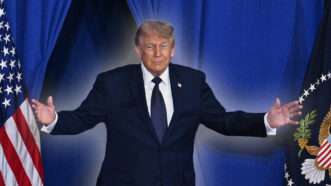
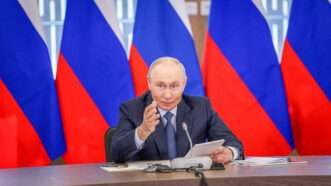
A bill to sanction Russia would allow the president to place 100 percent tariffs on goods from countries that buy Russian fossil fuels.
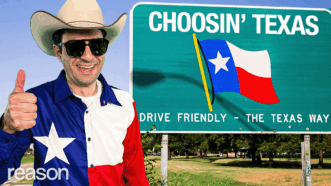

Plus: Why Kawhi Leonard and the Clippers are guilty, and why Shohei Ohtani is not

Plus: Trump threatens Oman, the cost of Medicare for All, and booze laws in Britain and Boston.
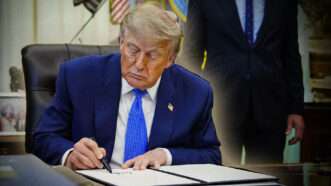
Less than two months after losing at SCOTUS, Trump tries again with more misguided executive orders.

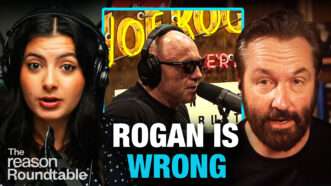
Plus: Democrats reckon with the rise of the DSA, Trump scales back America's military presence abroad, and the case for letting kids play outside
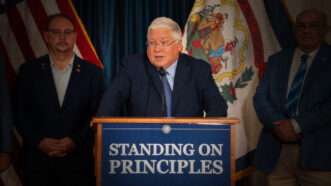
The state's plan to attract large infrastructure projects is full of administrative hurdles and concedes many of the bad arguments made by NIMBY critics.

France's top court ruled that a social media ban for under-15s would infringe on free expression and privacy.
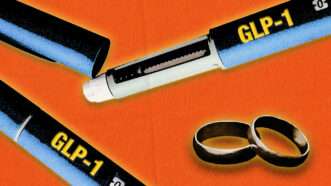
Maybe “solve” is overstating it. But a recent study linked GLP-1 medications to a greater likelihood of marriage or cohabitation.

Florida will pay $8,000 to cover tuition for any child who opts out of public school. The program is transforming k-12 education—and creating budget problems.
Plus: "Blasphemous" talk in Texas, botox everywhere, ink on Mace, and more...
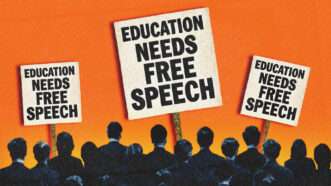
Nebraska plaintiffs say the state can’t mandate education and also control what kids are taught.

Is it named after the father of geometry or a Cleveland suburb? Both.
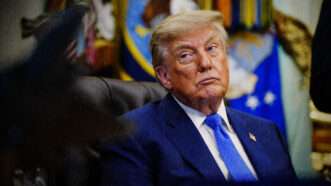
In one case after another, the president has tried to cut the courts out of the picture painted by the Framers.
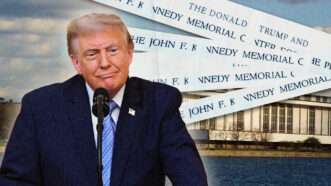
Must they keep chipping away at their dignity?
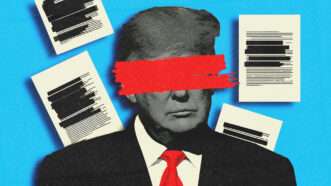
"The most transparent president in history" keeps chipping away at laws like FOIA meant to keep the government honest.
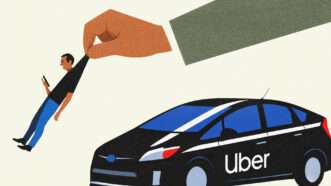
California notoriously fought to do the same, which led to a slew of exemptions and job declines.
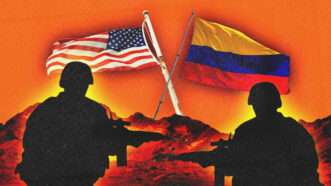
Abelardo de la Espriella campaigned on shooting down drug planes and boats in Colombia. Twenty-five years of U.S.-funded counternarcotics suggests it won't matter

For too long, the government has acted as if any child venturing out unsupervised is in danger—and has negligent parents.
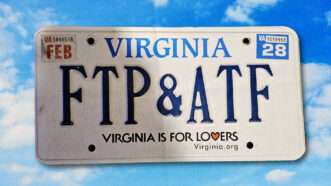
A federal appeals court ruled that Curtis Whateley's anti-police vanity plate was private speech protected by the First Amendment. Virginia says it will seek review from the Supreme Court.
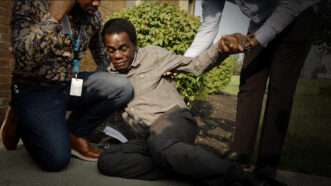
Gov. Mike DeWine's recent essay in The New York Times makes the case for a more open legal immigration policy.
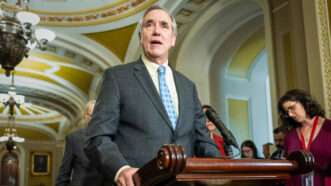
The Oregon senator's "For Our Republic Act" would check many of the president's abuses while preserving the powerful federal state he commands.
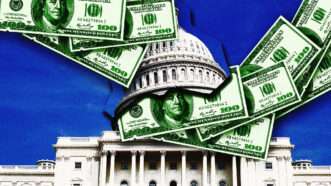
The Democratic Socialists of America promise free everything, but its agenda would require confiscation on a scale that would make European welfare states tremble.

The company’s attempts to protect Americans’ privacy “will do nothing to protect innocent people from warrantless mass surveillance,” says an Institute for Justice attorney.
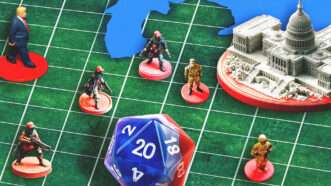
The Democratic nominee won five swing states by less than one percentage point. Then things got crazy.

This lean, mean, late-summer romp is dino-mite.
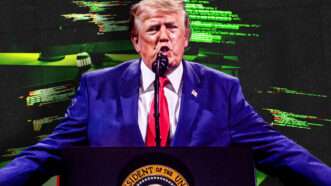
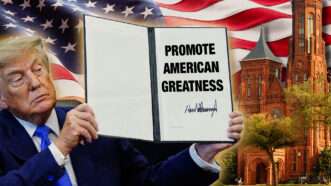
The real goal isn't to promote accuracy, but to encourage agitated conservatives to complain about historical references that make them uncomfortable.
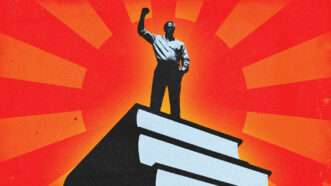
Libraries aren’t all that socialist, and they’re far from the total state the radicals really want.
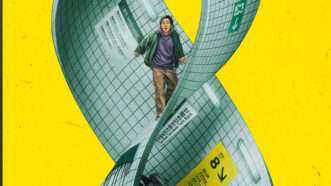
A Japanese thriller explores agency in a world that makes it too easy just to go along for the ride.


Robby Soave and Christian Britschgi break down the absurd political fights about America’s surveillance state before jumping into House of the Dragon.
The new media seat was a good idea.
Press groups are suing Trump Media over the scheme, calling it “profoundly corrupt.”
Property rights are no less worthy of protection just because intangible property is at stake.
From wrongful arrests to officers stalking exes, license plate cameras keep exposing police failures.
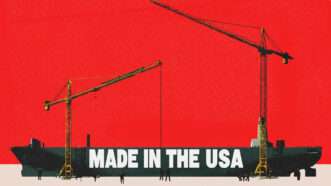
In under five months, waiving the protectionist law opened up whole trade routes and sent fuel to areas that needed it. Why go back?
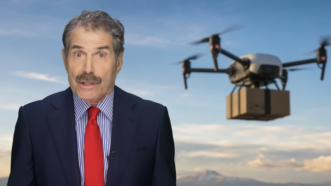
To fly a drone out of sight, you must get airline-level certification, which requires a lengthy approval process from the Federal Aviation Administration.
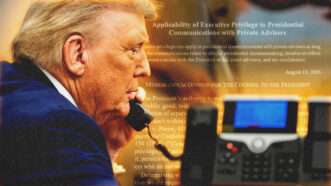
Transparency advocates say it's the latest attempt to hide more of the executive branch's business from the public and congressional investigations.
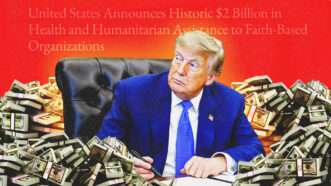
The administration says faith-based organizations deliver aid more efficiently, but offers no data to support that claim—and its preference for religious providers raises constitutional questions.
Celebrate your independence with a subscription to Reason magazine, your most trusted source of honest, insightful news and analysis.




