No, Private Equity Isn't Ruining Your Sandwiches, Your Apartment, or Grandma's Nursing Home
Much of the hatred directed at private equity is just a familiar form of opposition to free markets.

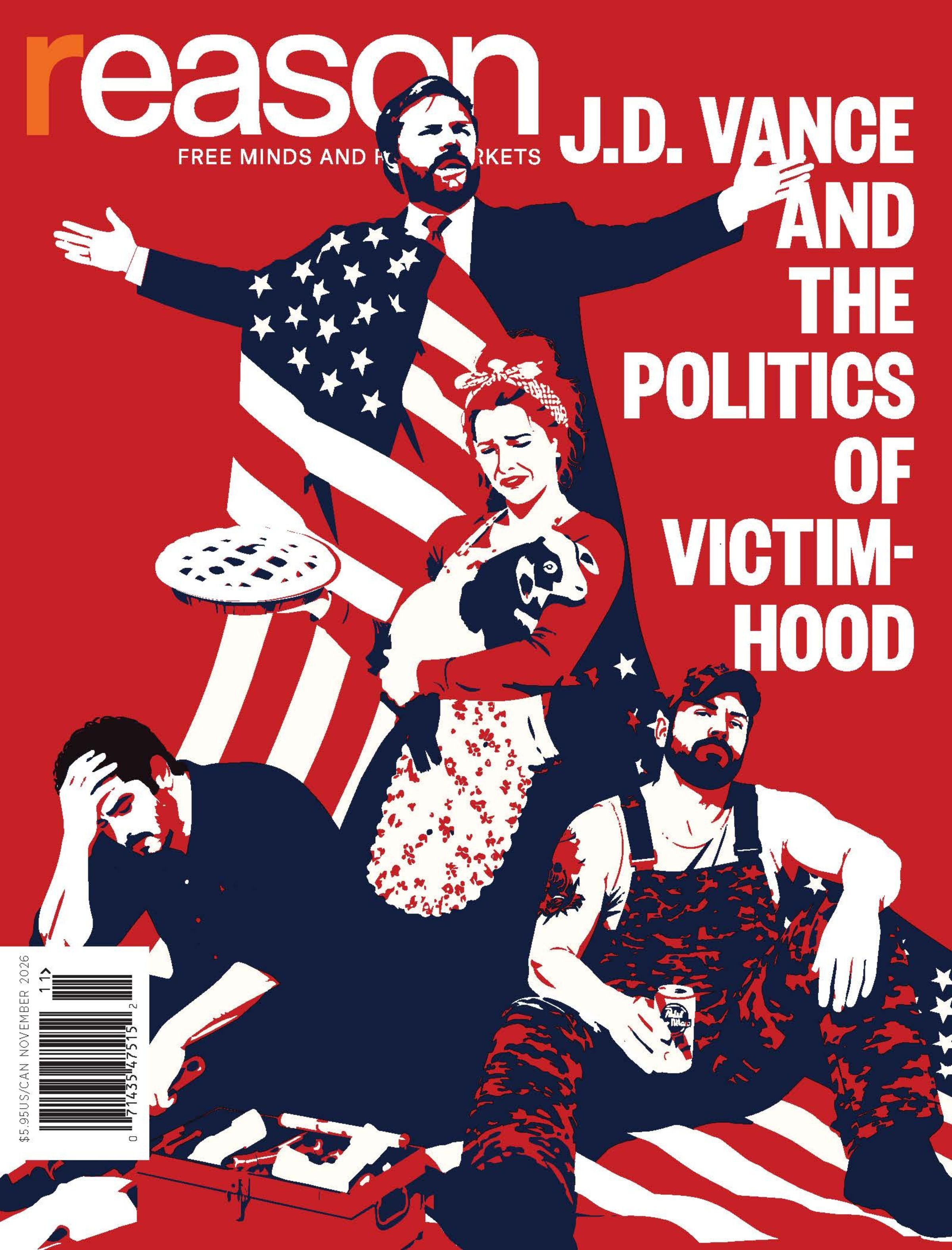
The postliberal right’s frenzy for exaggerating and fabricating transgressions

Much of the hatred directed at private equity is just a familiar form of opposition to free markets.
A year after launching his explosive antidrug campaign, President Donald Trump routinely rains death on alleged cocaine couriers.

"I think courts are going to be very suspicious of how broad this is," one Minnesota lawyer tells Reason.

More than 1.2 million British nationals have left the United Kingdom since 2021.

"Fauci was wrong about almost every single pandemic policy he advanced," the former FDA insider tells Reason.


"I'm not a lawbreaker," the Florida man known as the "flock blocker" told local media.

The DSA is set to grow its influence in government after the 2026 elections.

Exempt from Vancouver's building restrictions, Squamish Nation is constructing a 6,000-unit residential high-rise.

The Jones Act requires all goods moved between American ports to be carried on American-built, American-crewed ships.

President Donald Trump revoked temporary protected status for about 1 million people living in the U.S.

Terrorism fatalities in Africa rose more than 100,000 percent between 2002 and 2022, according to the federal government.

Meta's AI glasses carry privacy risks, but for blind veterans, they fill a gap that the government has failed to address.

Crime has been dropping nationwide, a trend that started before Trump took office.
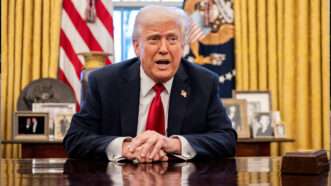
Trump launched his third round of broad tariffs after his first two attempts ran into legal trouble.

A New Mexico geothermal project used AI to reduce surface infrastructure costs by 75 percent and speed up drilling by 35 percent.
President Donald Trump has surpassed Barack Obama's record for most debt amassed by a president.

Graffiti vandals are now being investigated for hate crimes.

The country icon was a woman of contradictions. Or was she?

Social media use is declining, and what's left has shifted from conversation to passive scrolling.
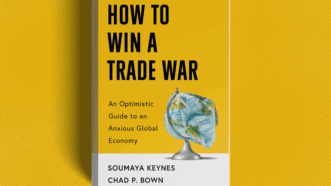
The only winning move is not to play. But if you must, a new book offers some suggestions.
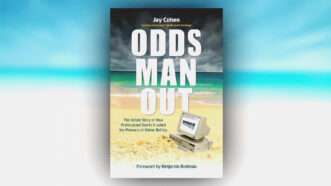
The father of the World Sports Exchange tells his story.

Sellers appear in TikTok-style livestreams to pitch their goods to chatrooms full of potential buyers.
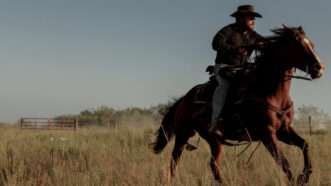
Dutton Ranch, the new Yellowstone spinoff, reminds us that corruption isn't limited to Washington, D.C.

Some lanternists believed that film was a fad their medium would easily survive.

HBO's Wild Inside documentary recalls Flaco, who broke free from Central Park Zoo and learned to fly.

The Game of Thrones prequel is a show about managerial leadership.

Shmoo & Ozzie Go to Washington is supposed to be about bipartisanship, but it's really about wasteful spending.
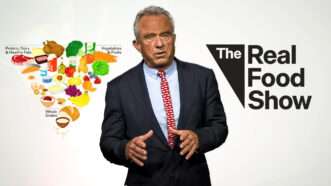
The Real Food Show features chefs making dishes alongside the health and human services secretary.

"I am obsessed with this idea that the system is built to compound its own errors," the author of the best-selling book Catch the Devil tells Reason's Billy Binion.
News of politicians, police, and bureaucrats behaving badly from around the world
Excerpts from Reason's vaults
Celebrate your independence with a subscription to Reason magazine, your most trusted source of honest, insightful news and analysis.