
Are the Cornell 7 Being Tried on Social Media?
Plus: Tennessee botches the execution of Christa Pike, and Sam Altman says the benefits of AI are worth the risks.


Plus: Tennessee botches the execution of Christa Pike, and Sam Altman says the benefits of AI are worth the risks.
Frances Haugen, the woman whose Facebook revelations inspired The Social Reckoning, argues that the real danger of social media isn’t bad speech—it’s the way the platforms are designed.

Algorithms and short-form video drove engagement. They also made it easier to quit.

Social media use is declining, and what's left has shifted from conversation to passive scrolling.

The bill’s “duty of care” could pressure platforms to suppress lawful speech in the name of protecting children.

Teenagers barred from social media are turning obscure corners of the internet into makeshift chat rooms.
TikTok must implement several new "safety" features, including time limits for kids and strict age-verification measures.
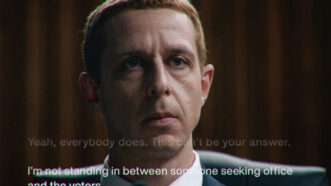
In the latest trailer for The Social Reckoning, the Zuck character stridently rebuts pro-censorship arguments.

The KIDS Act could age-gate the internet for hundreds of millions of users.

Psychologist Peter Gray discusses why kids need more unstructured play, how schools are fueling childhood anxiety, and why smartphones aren’t to blame.

Computers, video games, and the internet actually helped "restore childhood" in the 1990s, suggests psychologist Peter Gray in a new book. Then changes to our education system reversed those gains.
Plus: California's new restrictions on social media, Trump's $5,000 “dividend,” and the future of libertarianism.
California Gov. Gavin Newsom signed more than a dozen online safety and tech regulation bills into law this week.
Jon Ronson discusses why old social structures are breaking down, the rise of online identity, and what happens when people lose a sense of meaning.

The case smacks of a desire for retribution that cannot be satisfied by prosecuting the actual killers, who committed suicide.
Plus: the escalating war with Iran, Meta's $17 billion settlement, and Milo Yiannopoulos gets deported.
It doesn't matter if you're right. If you don't cave, the government might stop at nothing to destroy you.
Musk's X Corp., along with other social media companies operating in the state, must disclose whether and how it defines hate speech and disinformation.
Plus: The scourge of scromiting, blaming air traffic control, and more...

Video games, pornography, and gambling: One of these things just doesn't belong!

The State Department doesn’t accuse Autistici/Inventati of doing anything more than providing "untraceable" email accounts. But that’s enough to outlaw it as a terrorist organization.
Plus: Trump's trade war with Canada, the growing backlash against data centers, and calls to censor journalists in Britain

What a new study of mealtime screen time does—and does not—say.

France's top court ruled that a social media ban for under-15s would infringe on free expression and privacy.
The new media seat was a good idea.
Press groups are suing Trump Media over the scheme, calling it “profoundly corrupt.”
Meta is on trial for fomenting "FOMO," among other things. It sounds silly, but the playbook used here could work against religious groups, fast food, and much more.

Robby Soave and Amber Duke attack The Free Press' latest attempt to defend Flock cameras.

A free speech organization sent a letter to the police department last week, calling its anti–hate speech post unconstitutional.
New details emerge regarding the Trump administration's surveillance dragnet cracking down on its online critics.
The Senate Commerce committee advanced four bills related to online and AI safety in the name of protecting children.
"He should never have been charged, let alone convicted," judges now say.

The Secret Service asserted a nonexistent "emergency" to track Comey's cellphone, and the FBI's evidence falls far short of proving his seashell picture was a crime.

A new survey finds most teens use social media moderately, though class divides persist.
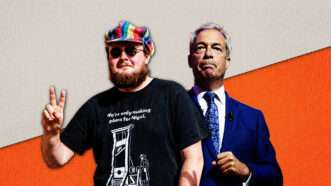
Farage condemns the British government's habit of police action in free speech cases, but wants his political opponent arrested for an Instagram post.

French President Emmanuel Macron has advocated for social media bans before. Now, he's gotten his wish before leaving office.
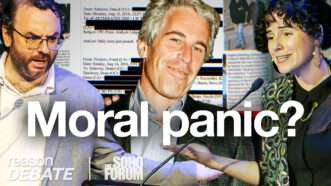
Journalist Michael Tracey and professor Marcella Szablewicz debate the Epstein scandal and the public reaction to the files.

Tech companies may soon have to comply with yet another U.K. regulation.

It's coming faster than you might think.

The anti-social media crusaders have popular support. That should worry online freedom advocates.

Plus: The Democrats' Project 2029 would ban minors from social media, the Supreme Court protects private data in geofence warrant ruling, and more...
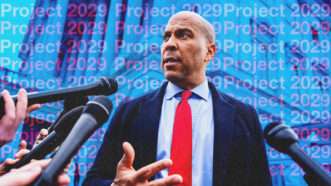
Semafor reported on Project 2029’s "Kids Over Clicks" proposal, which outlines Democrats' plans to regulate social media and AI companies.

Federal law can punish true threats, and doxing intended to facilitate violence. But this woman simply named a government agent, which is not a crime.

The court said the law—which would require age verification for everyone—constitutes only a “marginal burden” and "does not raise meaningful concerns about muting valuable protected discourse."
Celebrate your independence with a subscription to Reason magazine, your most trusted source of honest, insightful news and analysis.




