
As Chief of Staff, Stephen Miller Will Reinforce Trump's Worst Instincts
His elevation does not bode well for anyone who hoped that Trump would moderate the policies that alienated voters in the midterm elections.

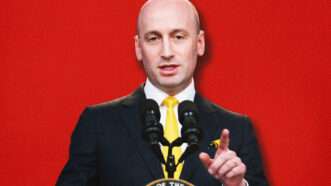
His elevation does not bode well for anyone who hoped that Trump would moderate the policies that alienated voters in the midterm elections.
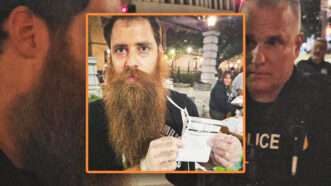
Houston police issued over 100 tickets to Food Not Bombs activists for violating an anti–food sharing ordinance. That violated their First Amendment rights, a judge ruled.
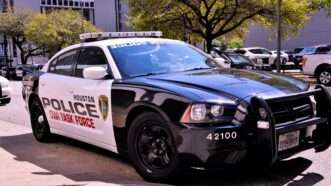
The first provision might curtail local pot busts, but the second one is unlikely to have a meaningful impact.
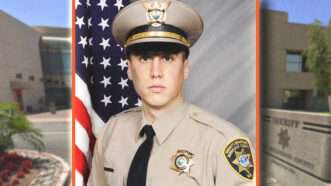
Former sheriff's deputy Paul Jessen was convicted of obstructing justice because he tried to protect a confidential informant from the DEA.
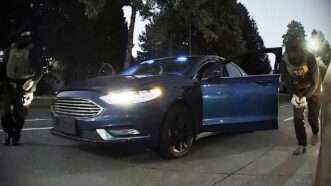
An ACLU complaint says the couple was recording ICE agents when they chased, boxed in, and vandalized the couple's car.
Until recently, the state imposed no limits at all on automated license plate readers, which track the travels of innocent motorists across the country.
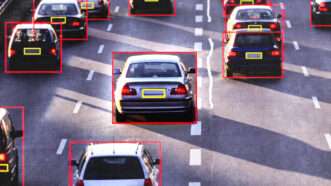
Opposition to license plate surveillance is crossing party lines in Iowa, where police departments have built an extensive camera network with limited public oversight.
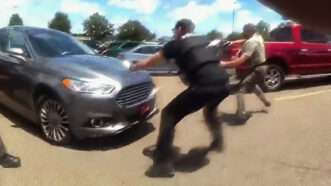
The resignation comes after the release of bodycam footage that raised questions about the police's handling of the incident.
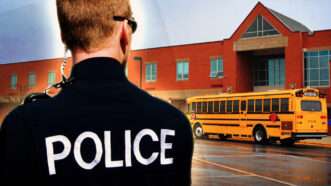
A media investigation found criminal referrals of schoolchildren age 10 to 13 grew as the number of school resource officers in Texas likewise ballooned.
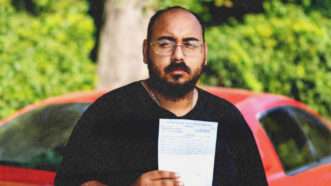
Federal appeals courts rejected qualified immunity for cops and a judge who flouted longstanding constitutional principles.
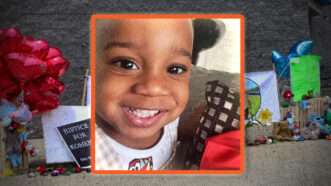
The state offered little explanation for its finding, and the boy’s family is calling for the bodycam footage.
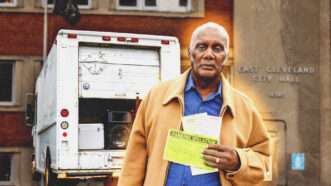
A federal court recently revived William Fambrough's lawsuit, which alleges city officials—including then-Mayor Brandon King—retaliated against him for his speech.
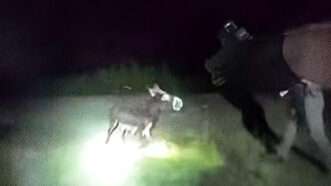
HeeHaw's owner argues that “no reasonable officer…would have believed that such force was necessary or justified.”
The officers could face consequences beyond termination, as prosecutors review whether their past testimony and arrests can still be trusted.
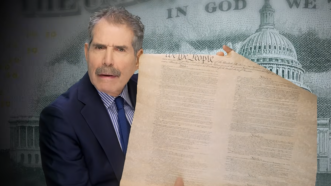
The Supreme Court will soon have a chance to rein in excessive fines.
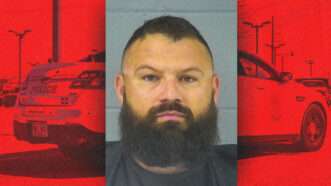
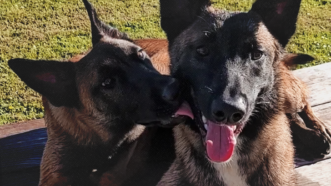
A North Carolina state trooper shot Lydia Nikac's two dogs, but an appeals court ruled she doesn't have a right to publish body camera footage of the shooting under the state's restrictive public records laws.
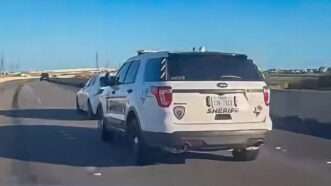
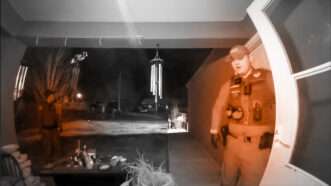
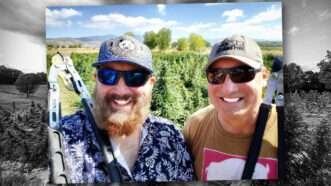
The ruling has major implications for property owners when the government ruins their possessions in the exercise of "police power."
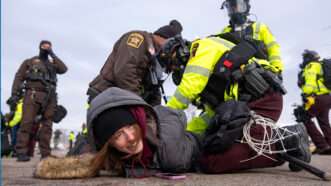
"I think courts are going to be very suspicious of how broad this is," one Minnesota lawyer tells Reason.
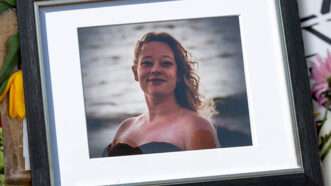
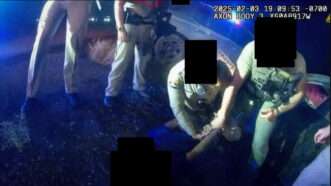
According to complaints filed by Good's family, Ross was not in any danger when he fired three shots into her car.
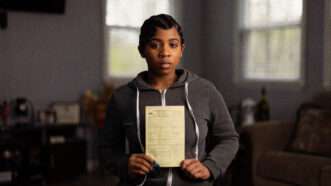
Financially motivated traffic enforcement produced a huge surge in revenue for Brookside, Alabama, where "fines and forfeitures" accounted for half the city's income in 2020.
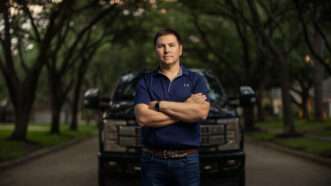
AI-powered license plate readers flagged an abnormal driving pattern. Then officers made up reasons to pull him over and interrogated him, and they faked a K-9 alert to justify a nonconsensual search.
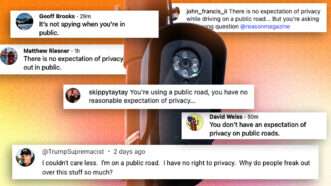
Defenders of Flock-style surveillance systems argue that people “have no reasonable expectation of privacy in public.” They're wrong.
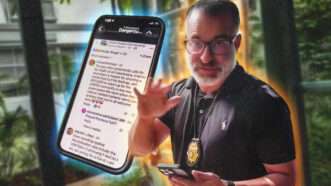
Miami Beach detectives questioned Raquel Pacheco at her house over her pro-Palestine Facebook comments. A judge ruled several key claims in her First Amendment lawsuit against the city can proceed.
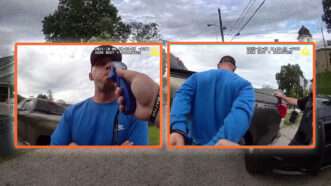
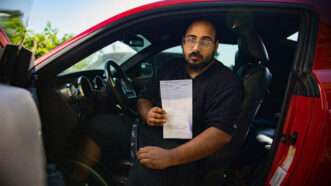
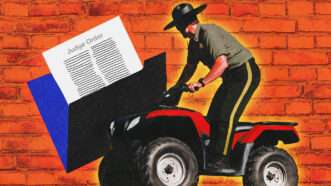
"It is clearly established that an officer cannot pull someone over without reasonable suspicion and thereafter concoct a fabricated traffic violation," the appeals court says.
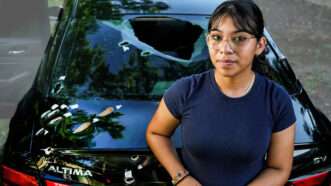
Law enforcement shot bystander Abigail Trujillo's vehicle dozens of times. Her struggle to get help is part of a larger pattern.
Federal appeals courts differ on whether the Fourth Amendment protects your cellphone at the border. A Texas lawyer is asking the Supreme Court to settle it.
Sens. Raphael Warnock and Katie Britt would seem to have little in common, but they both feel people should have more protection from bad cops with surveillance tech.
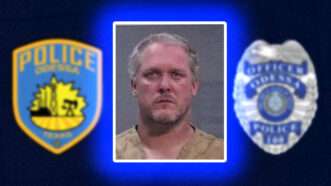
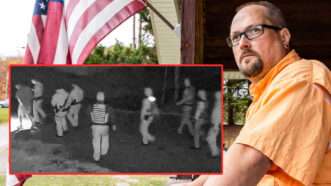
Joshua Gibbons says his embarrassing videos of police officers in Kingsport, Tennessee, were a motivating factor in their decision to arrest him on minor charges that were thrown out of court.
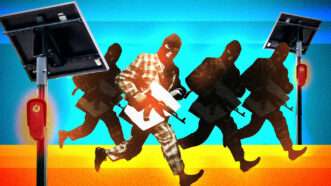
Flock has been promoting a recent study of its cameras' impacts on car theft. But the paper didn't demonstrate a causal effect.
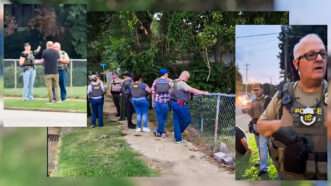
The ACLU says Hunter Demster's arrest shows a continuing campaign of intimidation and retaliation by the Memphis Safe Task Force.
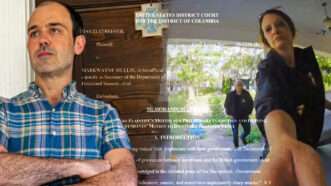
After David Streever castigated ICE's acting director in an email, investigators delivered a "warning notice" saying he "may be in violation of federal law."
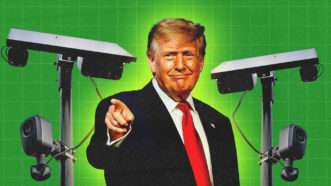
Trump says he supports the cameras simply because law enforcement does, no matter that they can be misused or abused.
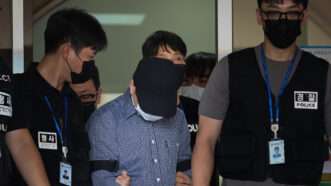
The White House said the database tracking misconduct by federal law enforcement officers was "full of woke, anti-police concepts."
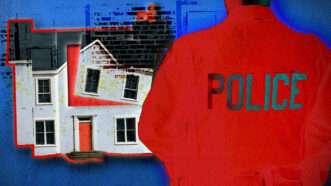
And yet governments deny reimbursement claims more often than approving them, according to the Institute for Justice.

The Fifth Circuit Court of Appeals ruled that Taylor Rogers didn't show that it was clearly established that it was excessive force to be held down on a pile of fire ants while handcuffed.
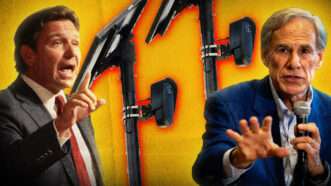
Recent comments by Greg Abbott and Ron DeSantis reflect a bipartisan backlash against warrantless surveillance.
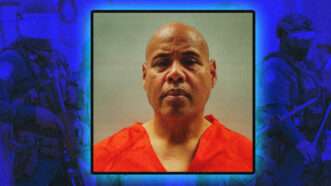
The habitually dishonest department uncritically accepted a story that was immediately contradicted by video footage and physical evidence.


New from Reason: a look into what Javier Milei has accomplished and what it will take to make the most of Argentina’s window for real change. Out now for subscribers.

