
To Avoid Criticizing Trump's Tariffs and War, Vivek Ramaswamy Takes on Data Centers
Republicans who want to speak to voters' anger over higher prices without criticizing the president who's caused them are in a bind.


Republicans who want to speak to voters' anger over higher prices without criticizing the president who's caused them are in a bind.
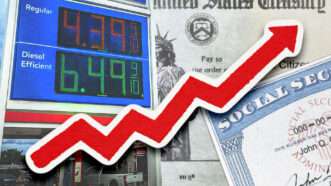
Congress has yet to address a looming funding shortfall that could leave the retirement program unable to pay 22 percent of scheduled benefits by 2032.
Entitlement spending, defense spending, and interest payments on the debt continue to climb.
To judge from rising 10-year interest rates, the bond market doesn't seem to expect Trump to bring inflation or spending under control.

Even the best-case scenario means less investment, slower wage growth, and a budget increasingly spent on past obligations.
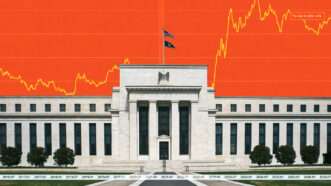
Lawmakers have to show they'll back the national debt with future fiscal surpluses, which means reining in government spending.
Plus: Rent freeze setback, AI misalignment, Bolshevik ridiculousness, and more...

The Congressional Budget Office says the inflationary consequences of the war will be felt well into 2027.

After a week in Buenos Aires, I found Milei’s economic revolution is real—and deeply divisive.
Plus: Data center backlash, Anthropic job-loss predictions, and more...

Fake wide receivers running scams, Djokovic bounced, Messi retires, The Giving Tree wasn't about stadium subsidies, and more…

American consumers and businesses are being taken advantage of by Canadians who are…offering to sell us aluminum, oil, and wood? How?
And both are hiding behind a lie of omission.
Plus: the rise of affordability politics, Trump attempts to end birthright citizenship, and the Cambridge plagiarism controversy

Plus: The economy lost 23,000 jobs in July, inflation is outpacing wage growth, Trump is still mad about birthright citizenship, and more...
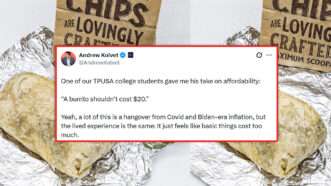
Americans are angry because everyday goods are much more expensive, and politicians think they should “stop whining.”

Plus: right-wing burrito wars, a star scholar resigns, Fauci's pandemic phone, and more...
The 30-year U.S. Treasury bond just hit its highest yield level since 2007.

The BLT—a delicious celebration of the power of markets—exemplifies political attacks on the free movement of goods and people.
Plus: new tariffs on Brazil, Trump's primetime address on election security, and the growing popularity of democratic socialism.

Britain’s seventh prime minister in a decade inherits weak growth, record-high taxes, and a swelling welfare bill. His proposed cure is an even larger role for the state.
Plus: More strikes on Iran, Nayib Bukele runs for a third consecutive term, private dinosaur-bone ownership, and more...

The Reason Sindex tracks the price of vice: smoking, drinking, snacking, traveling, and more.

He understands economics about as well as he understands the limits of presidential power.
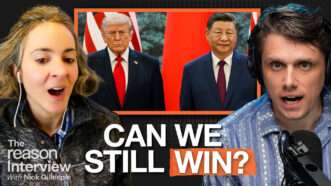
Economist Soumaya Keynes discusses Trump’s tariff policies, how China changed the global economy, and why trade wars require restraint.
The president is forcing his biggest supporters to choke down his incompetence and delusions like so much algae.
The Iran war and Trump's tariffs are pushing prices higher, and neither will be easy to undo.

Trump's signature policies are pushing prices higher—and voters are pushing back.

Plus: inflation surges, Mamdani claims he closed New York City’s budget gap without cutting services, and a listener asks how to develop political confidence
Prices are now rising faster than wages, just like during much of the Biden years. The war in Iran is largely to blame.

The Trump administration is stuck in a standoff that is unstable and damaging to the entire world.

America gets 90 percent of its fresh tomatoes from Mexico, and those imports were tariff-free until last year.
New study finds that tariffs were responsible for the "entirety of the excess inflation in the core goods category."
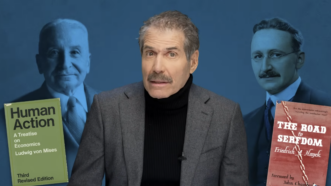
"Central planning doesn't work because everybody has different ideas for themselves," says Ryan McMaken of the Mises Institute.

Plus: Pete Hegseth spends millions on lobster tail and rib-eye steak, oil prices go for another roller-coaster ride, no inflation increase, and more...
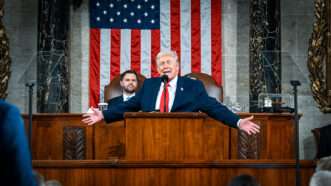
President Donald Trump tossed out a bunch of economic statistics during his State of the Union address. Here are three that are just plain wrong.
Inflation is a silent tax—and the most painful way to finance government promises.
The new producer price index report complicates the administration's push for lower interest rates.
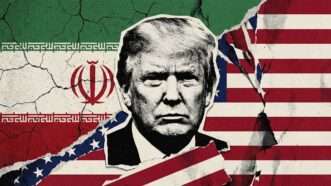
The unrest started with a merchants' strike, escalated into a bloody crackdown—and might become an American war.
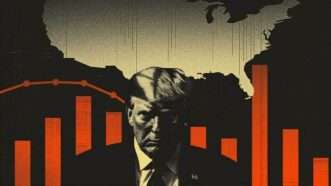
If interest rates stop being market signals and become policy decisions, what survives may look less like capitalism—and more like permanent crisis management.
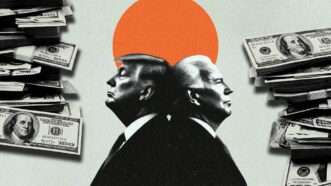
From COVID-19 lockdowns to Biden's inflation and Trump's tariffs, bad things have happened when economics are sidelined in policymaking.
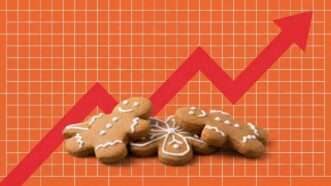
The Trump administration’s trade war has made home-baked and store-bought treats more expensive.
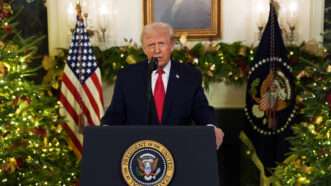
Plus: Karoline Leavitt's injection sites, Dan Bongino leaves FBI, Tesla trapped, and more...
Plus: Child care affordability, Venezuela blockade, Israel's plans, and more...

A real affordability agenda would unleash free markets, not constrain them.
Plus: Cocaine and mustard gas, U.S. seizes oil tanker, billionaires in the White House, and more...

A more robust welfare state won't change the fact that tradeoffs exist, even for relatively wealthy Americans who choose to have kids.
Celebrate your independence with a subscription to Reason magazine, your most trusted source of honest, insightful news and analysis.




