
Trump Criticizes Fox News for Daring To Show Clips of Democrats
The president sees even straight news coverage as an act of betrayal.


The president sees even straight news coverage as an act of betrayal.

Miami Beach detectives questioned Raquel Pacheco at her house over her pro-Palestine Facebook comments. A judge ruled several key claims in her First Amendment lawsuit against the city can proceed.

That means his ex-wife can talk about it on a podcast if she wants to. But you probably shouldn’t follow suit.

The Trump administration revises wonky federal regulations to reduce home construction costs.
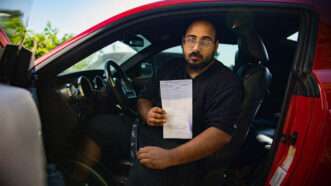
"It is clearly established that an officer cannot pull someone over without reasonable suspicion and thereafter concoct a fabricated traffic violation," the appeals court says.

A federal appeals court has permanently blocked the recruitment provision of Tennessee's "abortion trafficking" law.

New Saint Andrews College says Moscow, Idaho, officials are imposing special restrictions out of animus against the college's founder, Doug Wilson.

In the latest trailer for The Social Reckoning, the Zuck character stridently rebuts pro-censorship arguments.
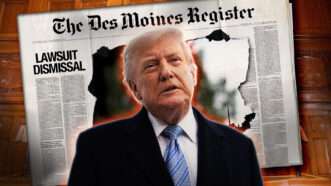
The dismissal of the president's lawsuit against The Des Moines Register is a victory for freedom of the press.

Joshua Gibbons says his embarrassing videos of police officers in Kingsport, Tennessee, were a motivating factor in their decision to arrest him on minor charges that were thrown out of court.
U.S. District Judge Timothy J. Kelly is skeptical of the belated "national security" rationale for banning CNN, MS NOW, and Politico from the White House.
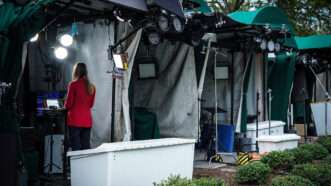
Plus: Manhole climbers, Beshear mulling 2028 run, God bless the commenters, and more...
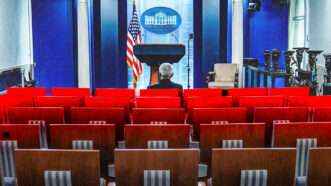
The president hopes that post-hoc rationalization will override due process and freedom of the press.
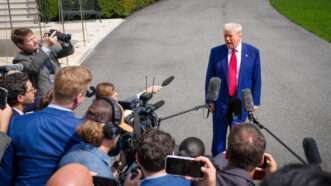
The president has a long history of retaliating against journalists who offend him.
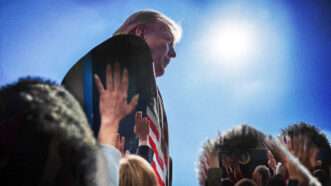
In a federal lawsuit, CNN, MS NOW, and Politico argue that Trump's bans violate due process and freedom of the press.
Regulations limiting demonstrations on the Eastern Steps to those sponsored by members of Congress are unreasonable.
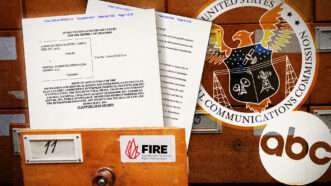
FIRE, Cato, PEN America, and others take on the broadcasting police.
Plus: why parents are abandoning public schools, whether AI requires government intervention, and what happened to fusionism in the conservative movement.
Plus: School segregation, ICE shooting, Cuban Americans envision the future, and more...
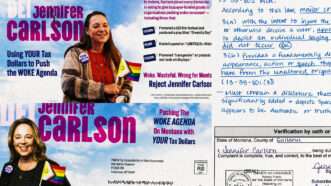
A federal judge found that the state's restrictions on AI-generated political speech likely violate the First Amendment.

The ACLU says Hunter Demster's arrest shows a continuing campaign of intimidation and retaliation by the Memphis Safe Task Force.
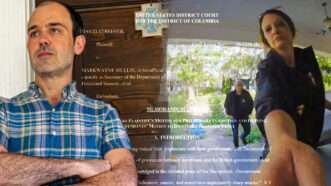
After David Streever castigated ICE's acting director in an email, investigators delivered a "warning notice" saying he "may be in violation of federal law."
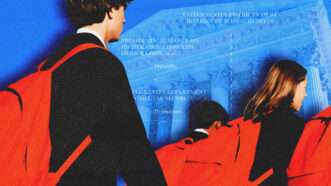
Although the impact of the DHS rule "is likely to be catastrophic," a George W. Bush appointee writes, the government's rationale is "exceptionally weak."
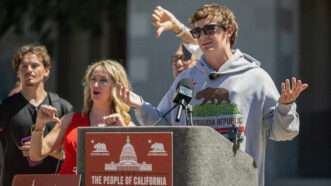
A lawsuit argues that a recently passed law to protect immigration service providers in California is "overbroad and vague."

After an ICE watcher in Springfield won a temporary injunction against ICE in a First Amendment lawsuit, the agency moved the officers accused of harassing him out of town.

One year after Kirk was assassinated on campus, Utah Valley students fear expressing themselves.
The free speech organization, FIRE, says the Polk County Sheriff’s Office’s bans on its social media pages violate the First Amendment.

The agreement follows a 9th Circuit ruling that the University of Washington violated Stuart Reges' First Amendment rights by treating his dissent as intolerable "disruption."

Olympus Spa—an all-female, nude establishment in Washington state—sued after the government said it had broken the law by refusing to accept a preoperative transgender woman. But the case is more complicated than it looks.
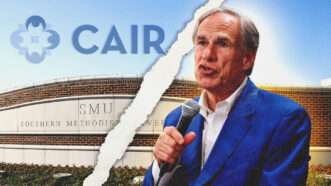
By labeling this group a terrorist organization, the state is chilling more than Muslims' freedom of expression.
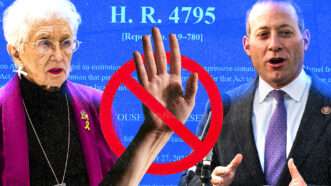
The bipartisan bill, which passed the House, takes aim at university boycotts of any “major strategic partner.”
The court struck down the government’s use of immigration law to threaten lawful noncitizens with deportation for protected speech.
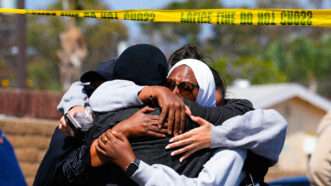
The case smacks of a desire for retribution that cannot be satisfied by prosecuting the actual killers, who committed suicide.
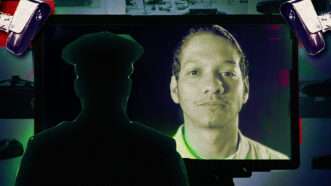
A federal lawsuit claims the Waukesha County Sheriff’s Office used the Flock cameras without a legitimate government purpose and in retaliation against the vet for exercising his First Amendment right.

The proposed GRANITE Act looks to shield U.S. companies from foreign censorship orders.
It doesn't matter if you're right. If you don't cave, the government might stop at nothing to destroy you.

Plus: Gustavo Gordillo's lies, measles among the Amish, Milo Yiannopoulos deported, and more...

Trump administration officials didn’t try to hide that they were punishing the company for its views.
The decision goes further than other similar recent rulings.
The Safer GAMING Act would silence minors in every online game by default—and violate the First Amendment.
A judge ruled the Pentagon's supply chain risk designation of Anthropic was an unlawful, “arbitrary,” and “capricious” decision made to punish Anthropic.
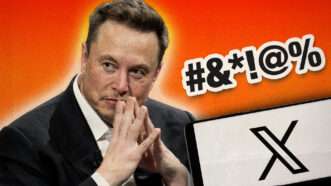
Musk's X Corp., along with other social media companies operating in the state, must disclose whether and how it defines hate speech and disinformation.
The State Department doesn’t accuse Autistici/Inventati of doing anything more than providing "untraceable" email accounts. But that’s enough to outlaw it as a terrorist organization.

A Texas law restricting “sexually oriented performances” was struck down after a federal judge said it could apply to everything from cheerleading to karaoke to performances by Dolly Parton, Elvis Presley, and Miley Cyrus.

A federal judge sided with the Florida International University students who sued over their school's student expression policy.
The FCC chairman is punishing the network for news coverage and programming decisions that offend the president.
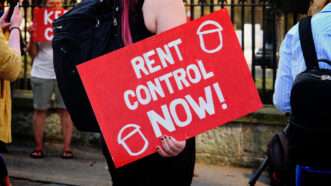
The war in Iran is causing California lawmakers to consider wider price controls.
Celebrate your independence with a subscription to Reason magazine, your most trusted source of honest, insightful news and analysis.




