
DOJ Says Barring AI Training on Copyrighted Material Could 'Severely Hamper' Tech Progress
Training a model on copyrighted work is the same transformative use exception that protects The New York Times' journalism.

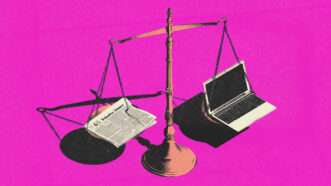
Training a model on copyrighted work is the same transformative use exception that protects The New York Times' journalism.

Plus: Mail-in ballots, mortgage rates reach new high, arcade.gov is a new low, and more...

Pangram founder Max Spero urged social media not to pile on too much though.

Criticism from Trump allies and recent survey results show that resistance to widespread deployment of automated license plate readers spans the political spectrum.

Plus: Times Square stabbing, free-range kids case, Gloria Steinem dies, and more...

New Mexico required kindergarten through second-grade students to learn literacy skills from a purple-haired AI avatar called Amira. Parents are pushing back.

Robby Soave and Amber Duke discuss Trump’s recent comments on data centers, unpacking how his stance diverges from parts of his political base.

The proposed GRANITE Act looks to shield U.S. companies from foreign censorship orders.

It doesn't matter if you're right. If you don't cave, the government might stop at nothing to destroy you.

Trump administration officials didn’t try to hide that they were punishing the company for its views.
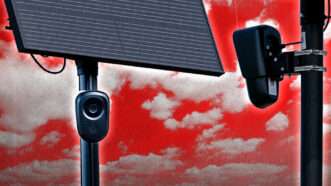
Americans are starting to recognize the dangers of pervasive surveillance by automated license plate readers.

The CIA has been using artificial intelligence to write “open source intelligence” analyses, which are being distributed to local police via DHS “fusion centers,” according to documents obtained by Reason.

A judge ruled the Pentagon's supply chain risk designation of Anthropic was an unlawful, “arbitrary,” and “capricious” decision made to punish Anthropic.

What the simultaneous revolts against Flock and data centers can tell us about the power and risks of populism

Video games, pornography, and gambling: One of these things just doesn't belong!

Plus: AOC reaffirms her socialism, Russia-Ukraine war gets even deadlier, and more...

What a new study of mealtime screen time does—and does not—say.

"If there are Flock cameras in your city, they are tracking, logging and sharing your movements without a warrant," warns the ACLU.

Their few defenders often misunderstand their benefits.

How many warrantless cellphone searches does it take to change border policy?

Plus: "Blasphemous" talk in Texas, botox everywhere, ink on Mace, and more...


To fly a drone out of sight, you must get airline-level certification, which requires a lengthy approval process from the Federal Aviation Administration.

Jason Silva discusses the promise of AI, the psychedelic renaissance, and the case for embracing technological optimism.
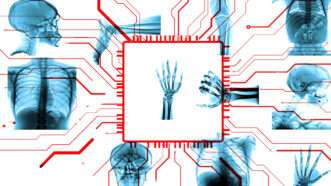
Robo-docs are not likely to take over healthcare anytime soon, but they could do more to assist human doctors—if we let them.

The proposed tax would rise with unemployment and fund a new federal jobs program—even though AI has yet to cause mass unemployment.

Hint: It's mandatory national service.

The law is written so broadly it could punish services that let you fake an image of yourself in a swimsuit.

Limited evidence of effectiveness combined with privacy concerns raises questions about the sensors.
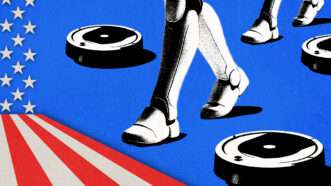
The ban on new foreign-made robotic devices comes soon after regulators nearly killed Roomba maker, iRobot.

"He should never have been charged, let alone convicted," judges now say.

The Kansas Justice Institute argues that Wichita's "warrantless ALPR dragnet surveillance program" violates the state constitution's privacy protections.

Researchers estimate that discouraging just one-third of international STEM graduates could leave the American economy 0.7 percent to 1.3 percent smaller—equivalent to losing the entire economy of Utah or South Carolina.

A new survey finds most teens use social media moderately, though class divides persist.

The rise of remote work is a tech success story, despite what one new and very convoluted study claims.

The Nashville Zoo says the vibrations from next door's planned data center might negatively affect hearing-sensitive animals.

European regulators claim to promote innovation while extracting billions from the companies producing it.


The record settlement pushes AI companies away from a fair use fight they might have won.

A former pastor suing ChatGPT says the chatbot gave him life-threatening medical advice. But tech-enabled healthcare is not the problem.
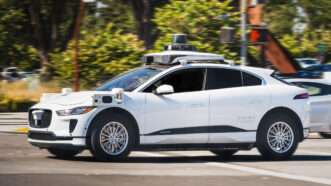
Automation will destroy some jobs—and create others.

French President Emmanuel Macron has advocated for social media bans before. Now, he's gotten his wish before leaving office.

In a committee hearing yesterday, Alexandria Ocasio-Cortez complained about data centers' impacts on rural areas and industrial parks.

Adam Candeub has been nominated to head the Justice Department's Antitrust Division.
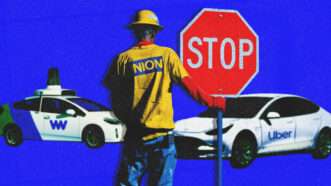
Labor unions almost always value union jobs over technologies that save time, money, and lives.

The E.U. pulls ahead of the U.S. in the creepy international automobile surveillance race.

Tech companies may soon have to comply with yet another U.K. regulation.
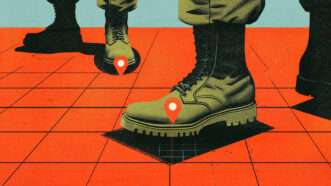
The U.S. government has used private ad data to get around the Fourth Amendment. Now foreign enemies are turning it into a weapon.
Celebrate your independence with a subscription to Reason magazine, your most trusted source of honest, insightful news and analysis.




