
The Trump Administration Just Named a Front-Runner in the Robotaxi Race
Zoox got the first commercial exemption for a driverless car. It came with a promise that safety regulations would evolve “as Zoox's technology advances.”

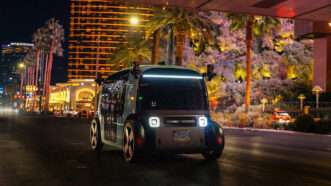
Zoox got the first commercial exemption for a driverless car. It came with a promise that safety regulations would evolve “as Zoox's technology advances.”
Airport security screeners at the 20 private-contract airports get paid during a government shutdown. A public sector union wants to make sure that doesn’t happen.
Supersonic flight is legally limited to the ocean. But the federal bureaucracy is (slowly) changing, and at least one company wants to take advantage.
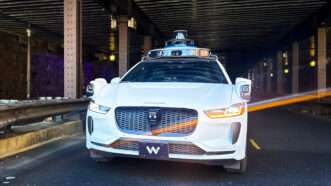
A proposed bill would legalize commercial autonomous vehicles in D.C. under one of the country’s most expensive regulatory frameworks, but unions still want the brakes applied.

Developers rush to use California's new apartments-near-transit law, North Carolina eliminates parking requirements, and the federal housing bill finally becomes law.
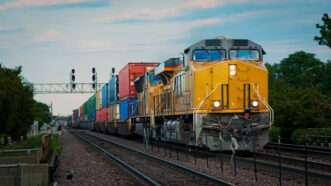
Some safety recommendations are treated as essential—while others become negotiable once influential people object.
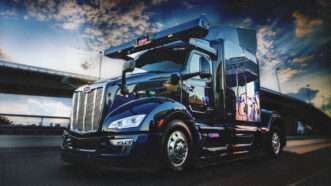
This year's surface transportation reauthorization would eliminate a requirement that human drivers place safety placards around disabled trucks.
Congress’ new infrastructure bill commissions a costly review of Amtrak’s food and beverage offerings and a study of yellow paint.

Travelers make easy targets for revenue-hungry officials.
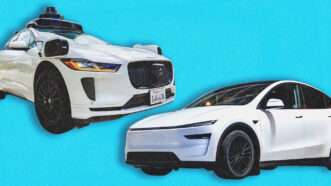
Bootleggers, Baptists, and the fight over who gets to write America's self-driving car rules.
Plus: NFL draft rookies get screwed by the players union, and governments are charging a ton to get to the World Cup
Plus: The House passes a short-term FISA extension, Ron Wyden urges fellow Senate Democrats to oppose a "clean" bill, and Norway gets robot buses.
"Why should somebody else have this right to decide the direction of my own life?" asks Timothy Sandefur, author of the book You Don't Own Me.

But only if politicians learn to focus on the boring basics of aviation policy.
Plus: Trump declares victory over Iran again, Afroman trial reflections, and more...
Is there really a truck driver shortage? Or are companies just using that story to pull off an outrageous corporate welfare scam?
While it struggles with congestion, the state is using innovation to ease traffic and make its highways safer.
As demand for trips has plummeted in the wake of the wage hikes, the Drivers Union is trying to limit the number of gig workers on the road.

Train Dreams follows a logger in the Pacific Northwest during the age of westward expansion.
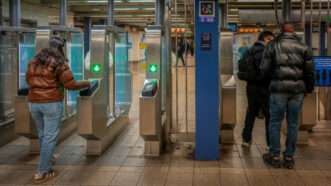
Unlike the MetroCard, the OMNY system requires train and bus riders in New York City to give their name and phone number to the government.
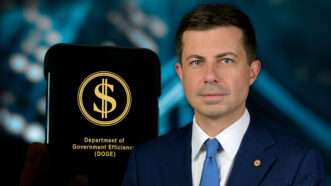
The progressive Democrat is a front-runner for the 2028 presidential nomination, but has no vision of a smaller, more efficient government.

The company may soon shutter its operations in the District of Columbia, following recent decisions by the D.C. Superior Court and Court of Appeals.
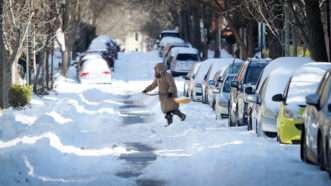
As the district's struggle to clear snow drags on, the case for public infrastructure maintenance becomes weaker.
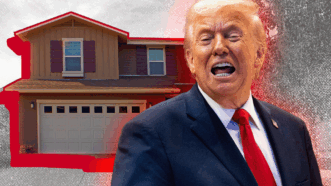
The president's order is not the comprehensive ban on large investor–owned housing that he promised. But it could still have a chilling effect on the single-family rental market.
Gov. Kathy Hochul vetoed a bill mandating two-person subway crews, but union contracts and bipartisan support ensure New Yorkers will keep paying for them anyway.
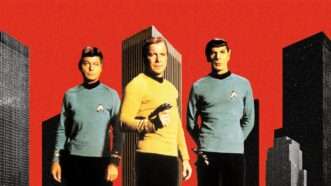
What a speculative technology can tell us about the demands for urban density and sprawl
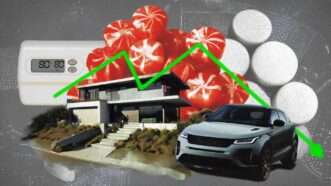
A real affordability agenda would unleash free markets, not constrain them.
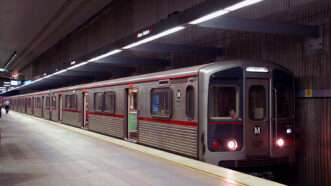
Almost half of riders dodge the fares.
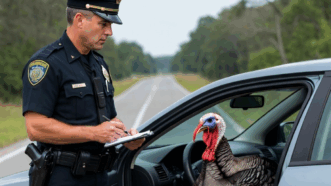
We have many things to be grateful for this time of year. The government isn't one of them.
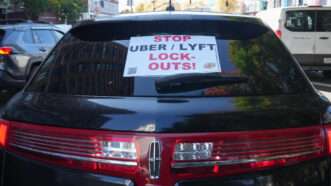
Even after the Prop 22 rebuke, California is pushing a system that could standardize schedules and undermine gig work.
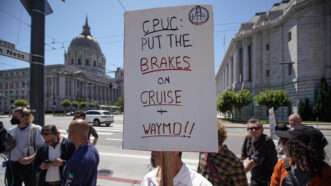
To fully realize human flourishing, America must embrace the future—not fear it.
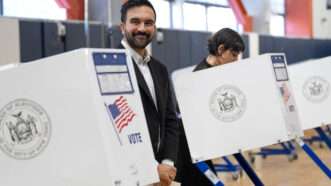
Democratic socialist Zohran Mamdani has been elected mayor by promising New Yorkers “free” programs and services with their own money.
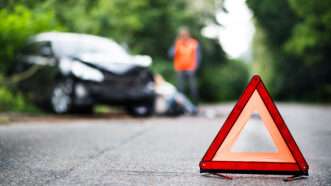
Federal safety regulators have granted driverless truck company Aurora's requested waiver of the warning triangle rule that had acted as a de facto requirement for human drivers in autonomous trucks.
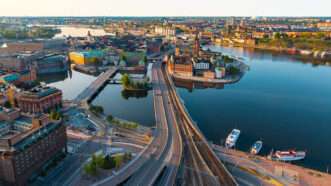
Swedes initially hated the congestion pricing experiment. After they witnessed the effects, they voted to bring it back.
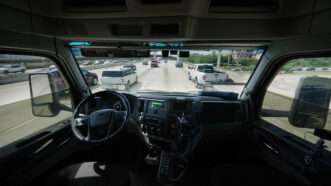
An obscure federal rule is slowing the self-driving revolution.
The D.C. Superior Court found Empower still in contempt of court despite updating its software-as-a-service agreement and will reconvene in January.
Empower CEO Joshua Sear is guilty of providing a cheap, popular alternative to Uber in the nation's capital.
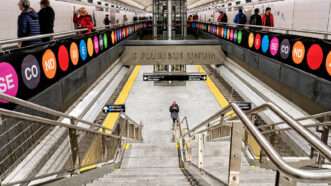
A previous pilot program found free access slowed down buses in New York City, which already has the slowest buses in the nation.
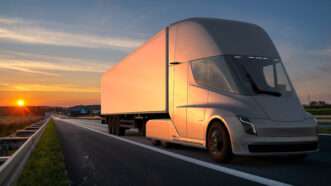
A fight over an arcane trucking safety rule reveals the White House's split position on autonomous vehicle regulations.
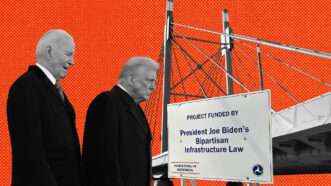
He was right the first time.
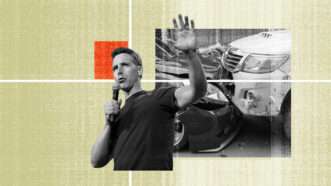
Tens of thousands of people die each year in crashes where human error was the cause or a contributing factor.
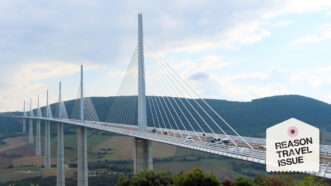
France's Millau Viaduct is an engineering marvel funded by tolls.
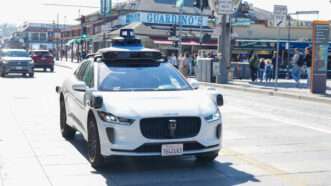
Unionized drivers and politicians say regulation is needed to stop autonomous vehicles from replacing jobs.
Air traffic control is simply too important to leave up to the politicians.
Celebrate your independence with a subscription to Reason magazine, your most trusted source of honest, insightful news and analysis.




