Police Used a Truck Inspection To Search for Drugs. The 7th Circuit Said the Fourth Amendment Forbids It.
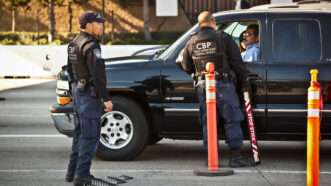
Cops stopped a semitruck because of a drug tip, then tried to dress the illegal search up as a routine inspection.

The decision rebukes the DOJ for demanding "private and sensitive" information about Georgia election workers "with no legitimate law enforcement purpose."
Neil Gorsuch proposes an alternative to a Fourth Amendment standard that has proven to be an unreliable safeguard against government snooping.
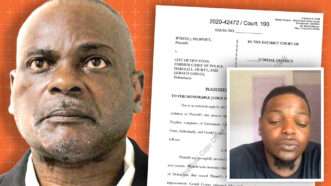
The officer's avowed reasons for killing Dennis Tuttle and Rhogena Nicholas were contradicted by the physical evidence.
The justice criticizes the Court’s endorsement of coercive plea bargaining and its embrace of dubious Fourth Amendment doctrines.
The justice argues that the "reasonable expectation of privacy" test and the third-party doctrine are indefensible in theory and unworkable in practice.
Understanding Chatrie v. United States.
The case is mostly about photography restrictions and false arrest, but the defendants also allegedly "discussed playing Disney music during public meetings to prevent Flash—through copyright restrictions—from monetizing his recordings."
The family's attorney says it's the largest settlement for a dog shooting case in Colorado history.
In a unanimous opinion, the court ruled that it is unconstitutional for officers to stop and frisk someone based solely on suspicion that the person is carrying a gun.
After nearly four years of legal battles, Tayvin Galanakis has finally won his case against the officers who arrested him for allegedly driving while intoxicated without probable cause.
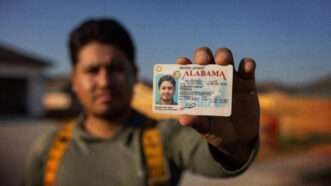
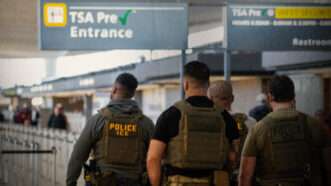
A Homeland Security official's testimony that ICE agents couldn't rely on REAL IDs as proof of citizenship led a federal judge to reply, "Help me understand how that makes sense."
After a magistrate judge said a DHS investigator had failed to establish probable cause, the government decided it did not need the YouTube and iPhone records after all.
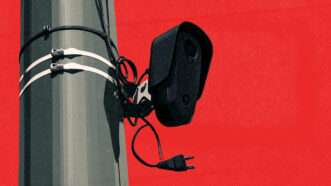
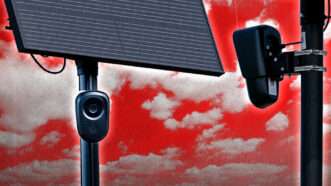
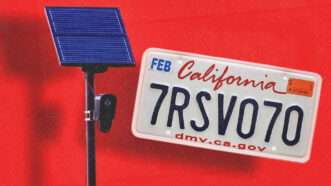
The documents reveal BusPatrol’s plan to equip tens of thousands of school buses with license plate readers and share the data with law enforcement.
The president's last-minute endorsement of Paxton was driven by his petty grievances against incumbent Sen. John Cornyn, who was clearly the safer bet to retain the seat.
Perry County Sheriff Nick Weems preposterously claimed that Larry Bushart had threatened "mass violence" at a school.
That defense applies only when an officer "reasonably" believed he was acting within his federal authority.
The family is suing the federal agency and their local police department for violating their Fourth Amendment rights.
Most federal appeals courts have recognized the right to record police. DHS employees nevertheless seem to view it as a crime.
Leo Garcia Venegas and the Institute for Justice are suing to block immigration raids on private construction sites that target Latinos.
From immigration and guns to executive power, transgender athletes, and mail-in ballots, these are the Supreme Court cases to watch out for in May and June.
"Geofence" searches illustrate the perilous combination of modern technology and deference to law enforcement.
The government wants access to millions of cell phone location histories. The Supreme Court will decide what the Fourth Amendment allows.
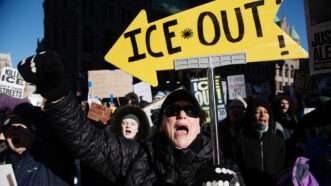
The governor is threatening to defund the police because of an ordinance noting that an ICE administrative warrant "does not justify a stop, arrest, or continued detention" by city officers.
The court ruled that police can demand a physical ID under the state's stop-and-identify law.
Plus: The House passes a short-term FISA extension, Ron Wyden urges fellow Senate Democrats to oppose a "clean" bill, and Norway gets robot buses.
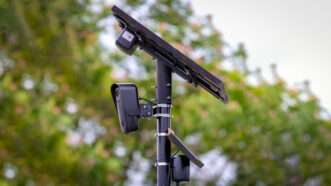
The city has created a network of nearly 500 cameras that routinely monitor innocent people as they go about their daily lives.
The president once said he wanted to kill warrantless electronic spying. So much for that.
How the digital privacy rights of millions are at stake in Chatrie v. United States.
Two petitions ask the Supreme Court to uphold the remedy required by the Fifth Amendment.
The jurors concluded that the officers violated the Fourth and 14th amendments when they seized a 14-year-old without evidence that she was in danger.
The case could give the Court a chance to clarify what a "closely regulated" business is and what constitutional protections it enjoys.
Plus: The "Montana miracle" wins one last court battle, D.C.'s "devastatingly unambitious" growth plan, and your Fourth Amendment right to refuse federal housing vouchers.
But for a fraudulent and misleading warrant affidavit, Taylor would not have been killed during a fruitless late-night drug raid.
The Justice largely agrees with Fifth Circuit Judge James Ho's dissenting opinion below, but writes alone in dissenting from the Supreme Court's decision not to consider the case.
“Officers don’t have the blanket authority to arrest anyone who runs from them,” says an attorney from the Institute for Justice.
Department of Homeland Security
The Oklahoma senator, nominated to replace Kristi Noem, is blasé about the use of deadly force.
Department of Homeland Security
The homeland security secretary blatantly misrepresented what she said about Alex Pretti on the day he was killed.
A mayor and a police chief "mistook their authority to maintain order for a license to suppress criticism," says U.S. District Judge Stephanie Rose.
An attorney and former ICE training instructor testified before Congress that changes to the training program “can and will get people killed.”
Department of Homeland Security
The department's pattern of dishonesty supports a presumption of irregularity.
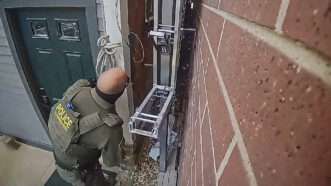
The Department of Homeland Security argues it doesn't need a warrant to enter a construction site.
Brookside, Alabama, made national news in 2022 after investigations revealed it was bankrolling itself through predatory traffic enforcement.
Here's a quick reminder of what the Fourth Amendment has to say about that.
The 4th Circuit held that the doorstep of an apartment did not qualify as protected "curtilage" under the Fourth Amendment.
A pending appropriations bill could increase transparency and accountability by requiring DHS personnel to record encounters with the public.
The department now describes the threat as "several civilians" who were "yelling and blowing whistles."
Celebrate your independence with a subscription to Reason magazine, your most trusted source of honest, insightful news and analysis.