
Aaron Sorkin's New Anti-Facebook Movie Is a Stunning Act of Self-Satisfied Cowardice
This smug, simplistic film blames Facebook for all that's wrong with the world, ignoring the messy reality of humans and politics.


This smug, simplistic film blames Facebook for all that's wrong with the world, ignoring the messy reality of humans and politics.

The president stands out from his modern predecessors by openly displaying his contempt for the First Amendment.

The company’s spectacular IPO obscured a quieter breakthrough that could transform satellite communications.

A judge blocked a rule that would have required adult sites to block VPNs or age-check the world.

Algorithms and short-form video drove engagement. They also made it easier to quit.

Social media use is declining, and what's left has shifted from conversation to passive scrolling.

The bill’s “duty of care” could pressure platforms to suppress lawful speech in the name of protecting children.

Teenagers barred from social media are turning obscure corners of the internet into makeshift chat rooms.
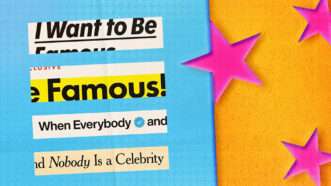
There is a form of fame where people aren't really celebrities, or even "influencers"—just folks with a fandom.

Computers, video games, and the internet actually helped "restore childhood" in the 1990s, suggests psychologist Peter Gray in a new book. Then changes to our education system reversed those gains.

Dario Amodei is calling for coordinated international limits on AI development while Anthropic prepares to go public.

For the second time this year, Talarico appeared on a late-night show only to be bumped in response to federal threats.

Plus: Mail-in ballots, mortgage rates reach new high, arcade.gov is a new low, and more...

The case smacks of a desire for retribution that cannot be satisfied by prosecuting the actual killers, who committed suicide.
It doesn't matter if you're right. If you don't cave, the government might stop at nothing to destroy you.

The Safer GAMING Act would silence minors in every online game by default—and violate the First Amendment.

Plus: The scourge of scromiting, blaming air traffic control, and more...

The State Department doesn’t accuse Autistici/Inventati of doing anything more than providing "untraceable" email accounts. But that’s enough to outlaw it as a terrorist organization.


France's top court ruled that a social media ban for under-15s would infringe on free expression and privacy.

Plus: "Blasphemous" talk in Texas, botox everywhere, ink on Mace, and more...
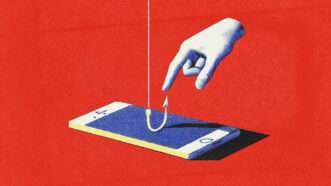
Meta is on trial for fomenting "FOMO," among other things. It sounds silly, but the playbook used here could work against religious groups, fast food, and much more.

Did he make a true threat? Or was this just hyperbolic ranting about bad policy?
The Senate Commerce committee advanced four bills related to online and AI safety in the name of protecting children.

The law is written so broadly it could punish services that let you fake an image of yourself in a swimsuit.

"He should never have been charged, let alone convicted," judges now say.

A new survey finds most teens use social media moderately, though class divides persist.

The rise of remote work is a tech success story, despite what one new and very convoluted study claims.

A local lawmaker said she wants to "keep my measured distance from him so he can live his good little life." What about humans?

Adam Candeub has been nominated to head the Justice Department's Antitrust Division.

It's coming faster than you might think.

Neil Gorsuch proposes an alternative to a Fourth Amendment standard that has proven to be an unreliable safeguard against government snooping.
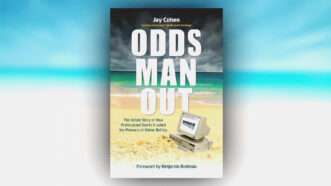
The father of the World Sports Exchange tells his story.

Plus: The Democrats' Project 2029 would ban minors from social media, the Supreme Court protects private data in geofence warrant ruling, and more...

Semafor reported on Project 2029’s "Kids Over Clicks" proposal, which outlines Democrats' plans to regulate social media and AI companies.
The Supreme Court could be poised to decide whether it's you or Big Tech companies.

The court said the law—which would require age verification for everyone—constitutes only a “marginal burden” and "does not raise meaningful concerns about muting valuable protected discourse."

The U.K. says tech companies have three months to stop minors from sending or receiving nude images—and universal identity checks for phone users may be the only way forward.

Government agencies would have to report communications and could be sued for bullying.

A new NBER study suffers from the same flaws plaguing previous research on phones and fertility rates.

A lack of comprehension and sloppy language make a mess of a new tax scheme.


Fertility rates started falling centuries before the iPhone was introduced.

British speech police try to impose their restrictions on the entire world.
Celebrate your independence with a subscription to Reason magazine, your most trusted source of honest, insightful news and analysis.




