
A Missouri School District Censored a Parent's Negative Facebook Emoji Because It Was 'Upsetting'
Annie Palmer was banned from the district's Facebook page for expressing her displeasure at the hiring of a new elementary school principal.

Annie Palmer was banned from the district's Facebook page for expressing her displeasure at the hiring of a new elementary school principal.
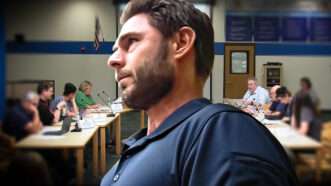
"You can't talk about the superintendent," a Foley Public School Board official told Blake and Katy DeMarais when they tried to advocate for their disabled and nonverbal son.
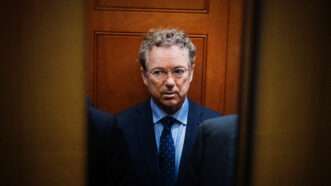
The bill’s “duty of care” could pressure platforms to suppress lawful speech in the name of protecting children.

Teenagers barred from social media are turning obscure corners of the internet into makeshift chat rooms.
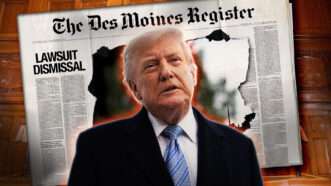
The dismissal of the president's lawsuit against The Des Moines Register is a victory for freedom of the press.
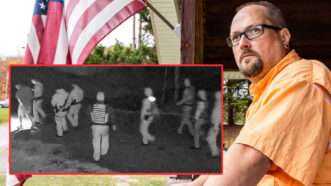
Joshua Gibbons says his embarrassing videos of police officers in Kingsport, Tennessee, were a motivating factor in their decision to arrest him on minor charges that were thrown out of court.
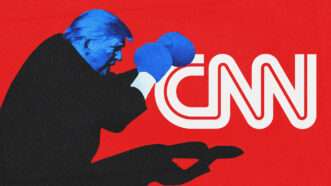
U.S. District Judge Timothy J. Kelly is skeptical of the belated "national security" rationale for banning CNN, MS NOW, and Politico from the White House.
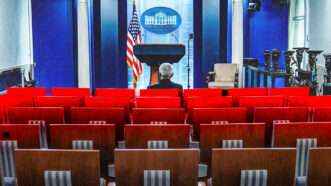
The president hopes that post-hoc rationalization will override due process and freedom of the press.
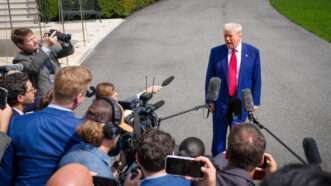
The president has a long history of retaliating against journalists who offend him.
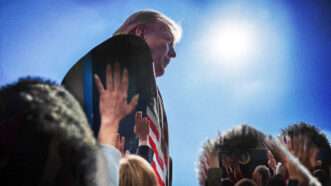
In a federal lawsuit, CNN, MS NOW, and Politico argue that Trump's bans violate due process and freedom of the press.
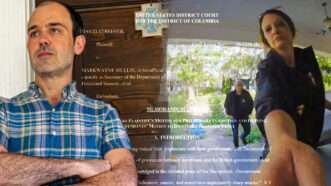
After David Streever castigated ICE's acting director in an email, investigators delivered a "warning notice" saying he "may be in violation of federal law."
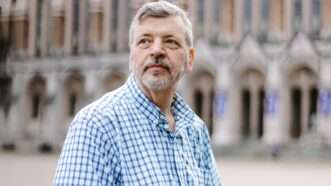
The agreement follows a 9th Circuit ruling that the University of Washington violated Stuart Reges' First Amendment rights by treating his dissent as intolerable "disruption."
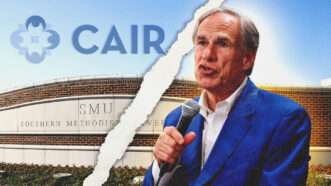
By labeling this group a terrorist organization, the state is chilling more than Muslims' freedom of expression.
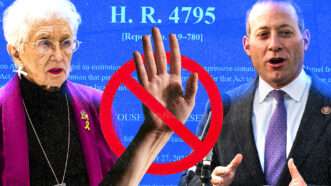
The bipartisan bill, which passed the House, takes aim at university boycotts of any “major strategic partner.”
The court struck down the government’s use of immigration law to threaten lawful noncitizens with deportation for protected speech.
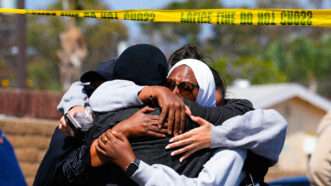
The case smacks of a desire for retribution that cannot be satisfied by prosecuting the actual killers, who committed suicide.
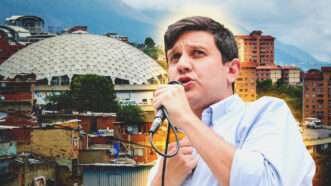
For helping prove that Maduro lost the 2024 election, Jesús Armas spent more than a year in Venezuela’s most-feared prison. He’s lucky it wasn’t more.
The Safer GAMING Act would silence minors in every online game by default—and violate the First Amendment.
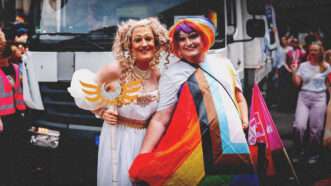
A Texas law restricting “sexually oriented performances” was struck down after a federal judge said it could apply to everything from cheerleading to karaoke to performances by Dolly Parton, Elvis Presley, and Miley Cyrus.
The FCC chairman is punishing the network for news coverage and programming decisions that offend the president.
Plus: Trump's trade war with Canada, the growing backlash against data centers, and calls to censor journalists in Britain
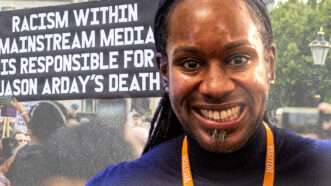
Politicians respond to tragedy by demanding more regulation of journalism.
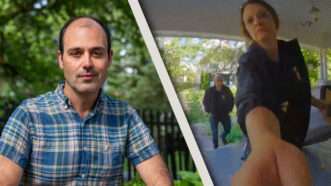
The agency’s attempt to intimidate David Streever is at the center of a First Amendment case.
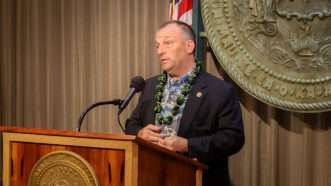
A new Hawaii law reclassifies corporate political speech as a "power" the state can revoke at will.
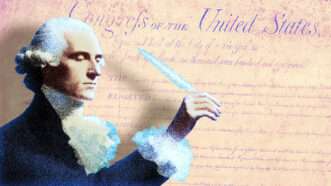
The “father of the Constitution” worried about federal and state overreach.
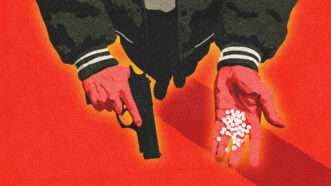
The judge concluded that a high school student's privacy interests trumped freedom of the press.
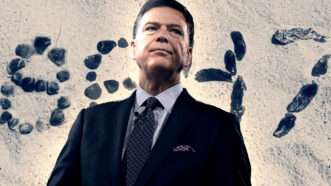
The Secret Service asserted a nonexistent "emergency" to track Comey's cellphone, and the FBI's evidence falls far short of proving his seashell picture was a crime.
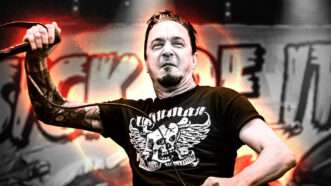
Remembering the lead singer for the iconic band Sick of It All
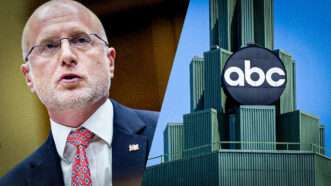
The FCC chairman thinks the "public interest" standard is a license to interfere with freedom of the press.
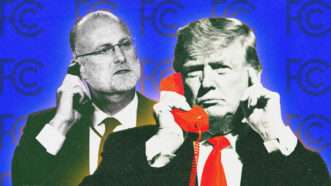
FCC Chairman Brendan Carr seems to think TV stations are legally obligated to please the president.
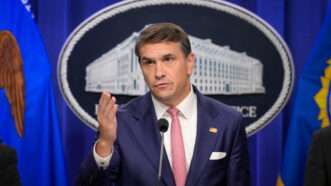
Trump’s nominee for attorney general has repeatedly subverted justice to benefit his boss.
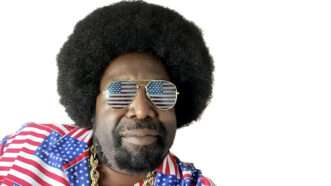
"I want a smaller government. I want to get crooked judges and police officers out of the government," the rapper tells Reason's Andrew Heaton.
Don't assume this couldn't happen in America too.
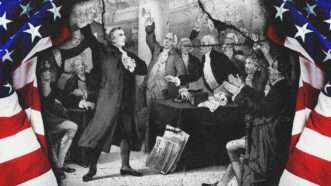
Two distinctly American traits that powered the Revolution: We don't like being told what to do by our supposed betters, and we really don't like being told to shut up.
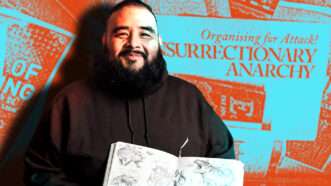
Eight of the Prairieland Detention Center protesters were sentenced to a combined 450 years in prison.

Richard Hershey is asking the Supreme Court to overrule a 5th Circuit decision that blocked the lawsuit provoked by that obvious First Amendment violation.
The JAWBONE Act would let Americans sue government officials who try to restrict their speech by pressuring social media platforms, broadcasters, or AI companies.
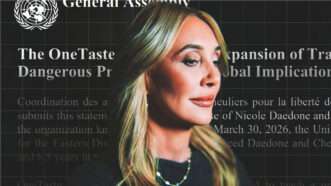
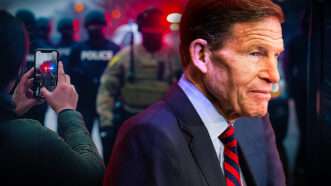
Civil liberties groups say recording the police is core First Amendment activity. The Right to Record Act of 2026 would create a right to sue federal officers who violate it.
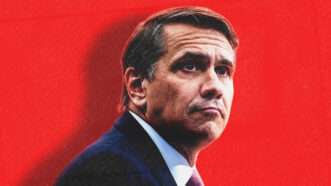
Blanche is happy to pervert justice in service of the president's personal agenda. No wonder Trump wants to keep him as attorney general.

But free speech advocates are pushing back.
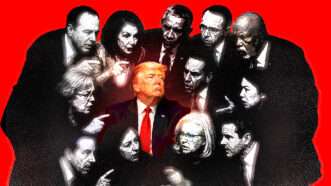
The president’s habitual attempts to criminalize dissent hark back to tyrants of yore.
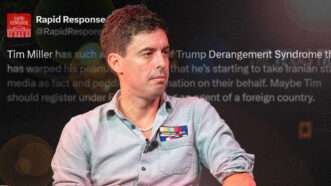
The Trump administration invokes the notoriously vague FARA to threaten a critic.
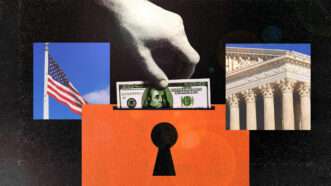
The federal government is still fighting to collect nonprofit donor information despite Supreme Court warnings that such demands chill free speech.

The Trump administration accused Francesca Albanese of “lawfare that targets U.S. and Israeli persons.” But a court said that’s not ground to seize her property.
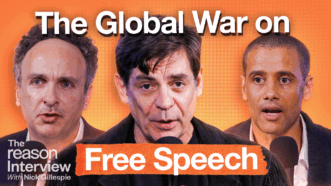
Jacob Mchangama and Jeff Kosseff discuss the global decline of free speech, why democracies are embracing censorship, and what can be done to protect open debate.
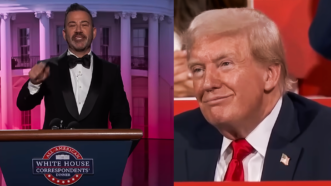
When he returned to the White House, Trump vowed to protect free speech from the government. The FCC's latest move against ABC and Disney looks like the opposite.
Celebrate your independence with a subscription to Reason magazine, your most trusted source of honest, insightful news and analysis.




