
Renée Good's Mom Wanted Trump to Protect Her Family. Her Daughter Was Killed by ICE.
Donna Ganger's heartbreaking testimony to a Senate committee offers a vital insight into the vicious politics of authoritarianism.

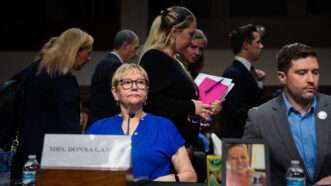
Donna Ganger's heartbreaking testimony to a Senate committee offers a vital insight into the vicious politics of authoritarianism.

Alex Saab admitted to profiting from food and medicine contracts and agreed to cooperate with prosecutors.

For helping prove that Maduro lost the 2024 election, Jesús Armas spent more than a year in Venezuela’s most-feared prison. He’s lucky it wasn’t more.

The Democratic nominee won five swing states by less than one percentage point. Then things got crazy.

As leader of the “Girchi—More Freedom” party, Zurab Japaridze spent 7 months jailed as a political prisoner. He’s prepared to spend much longer there if he has to.
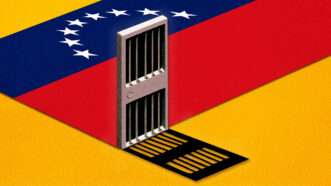
An invented name, recycled evidence, and an openly lawless proceeding kept prisoners guessing. The clearest signs of release were extra food, sunlight, and medical attention.
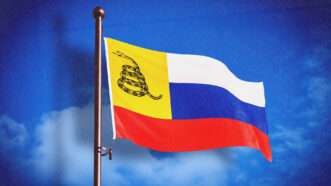
The Libertarian Party of Russia is pessimistic about the chances of overturning these restrictions through the courts or any other legal means.

Hasan Piker and the Democratic Socialists of America are recycling failed ideas.
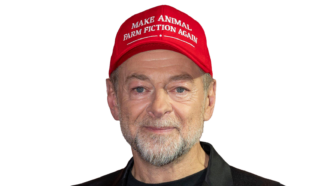
"If Orwell were writing that story now, what would his targets be?" the Animal Farm director asks Reason's Nick Gillespie.

We should heed Alexis de Tocqueville's warning: "A man's admiration for absolute government is proportionate to the contempt he feels for those around him."
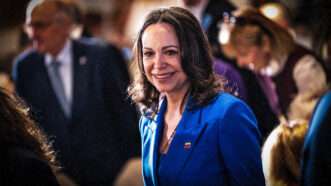
The exiled opposition leader is claiming the regime wants “to bury the truth when Venezuelans want to bury our dead with dignity."
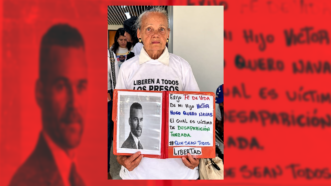
Meanwhile, Trump claims Venezuelans are “dancing in the streets.”
Andy Serkis discusses the corrupting nature of power, what Animal Farm says about modern authoritarianism, and whether technology expands or diminishes human creativity.

A look at Palantir’s bootlicking new manifesto.
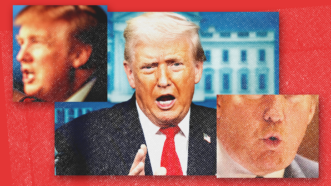
The president's predictions of the nation's imminent demise reflect his narcissistic authoritarianism.
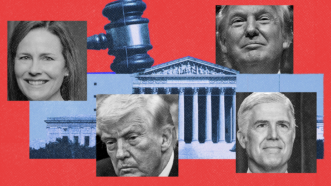
The president says federal courts should not make decisions based on partisan considerations unless it benefits him.
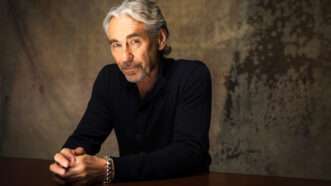
"The concept of the show was to talk about what happens when authoritarianism and fascism comes kicking down your door," the creator of the Disney+ series tells Reason.
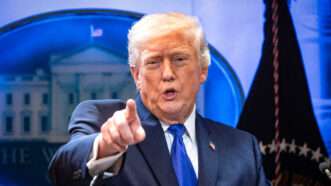
The president neither understands nor appreciates the vital role of judicial independence in upholding the rule of law.

China's "national security law" was perfectly tailored to zero in on someone like Lai, who vigorously pushed for democracy, freedom of speech, and government reform in Hong Kong.
Venezuelan opposition leader Freddy Guevara explains support for U.S. intervention, how socialism destroyed Venezuela, and what a democratic transition would require.
Tony Gilroy examines how Andor portrays authoritarian power as a bureaucratic system, the moral compromises of life under surveillance, and the role ordinary people play in enforcing oppressive systems.

The self-made tycoon was convicted this week of violating Hong Kong's "national security" law. But he could have escaped it.
From immigration crackdowns to trade policy, the Trump administration is increasingly centralizing power in Washington, D.C.

The left has to accept that it shares blame for our current political mess.
The document remains remarkably resilient, even as Republicans and Democrats keep launching assaults on liberty.
When the so-called "communist lunatic" and the so-called "fascist" find common ground, it means the country needs an intervention.

Nobody expects China or Iran to protect privacy. But as seen in the European debate over chat control, even nominally free countries are becoming intrusive when it comes to the digital world.
We have many things to be grateful for this time of year. The government isn't one of them.
The Trump administration is desperately trying to criminalize a video noting that service members have no obligation to follow unlawful orders.
As fans of horseshoe theory point out, the political extremes might differ on details, but they have a lot in common.
The president’s reaction to a supposedly "seditious" video illustrates his tendency to portray criticism of him as a crime.
The president's authoritarian response to a video posted by six members of Congress, who he says "should be arrested and put on trial," validates their concerns.
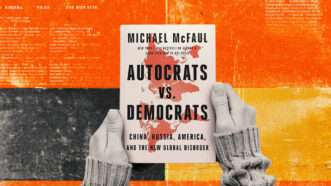
Michael McFaul's new book feels like it was written in 2015, not 2025.
Trump’s presidency may have amplified executive power, but unless lawmakers roll back those powers—and the bloated government behind them—the next administration will do the same.
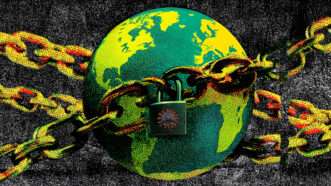
Authoritarian pandemic policy made the world poorer and less free.
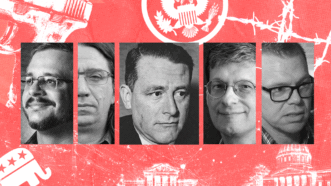
When conservatives reject constitutional limits on executive power and foment civil conflict, what exactly are they conserving?

It’s about an authoritarian government, not the demands of capitalism.

Shows of force and mass deportations play well to the base, but they’re falling flat with the public.

From Apocalypse Now memes to a re-named War Department, the second Trump administration is in love with authoritarian aesthetics.

Today’s MAGA intellectuals rail against COVID restrictions, but in 2020 many cheered them on—or demanded even harsher crackdowns.
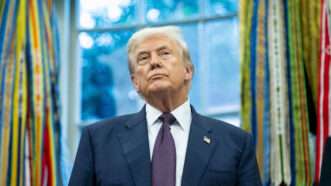
Perónism: the one import that Trump likes.
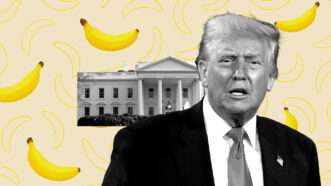
If a Democratic president tried to so directly politicize an independent agency, Republicans would be screaming about the coming tyranny.
Offended Freedom categorizes perfectly understandable anger at government overreach as inherently "authoritarian."

The coalition’s national press coordinator says, “We’re all dedicated to championing the cause of nonviolence—not just because it’s moral, but because it’s more effective.”

Even if the president was joking in both cases, he already has used his powers to punish people whose views offend him.

Since retaking power, the Taliban has banned certain music, barred women from parks, and now outlawed chess. Authoritarians don’t just crush dissent—they criminalize joy.
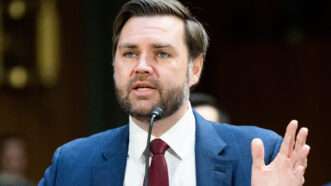
Vance says "you've gotta let these people make decisions on their own." He should try that approach more generally.
Celebrate your independence with a subscription to Reason magazine, your most trusted source of honest, insightful news and analysis.




