
Justice Department Will Investigate Conditions at D.C. Jail After Years of Reports of Filth and Neglect
The Justice Department is investigating years of complaints of wretched living conditions, neglect, and brutality inside the D.C. Jail.

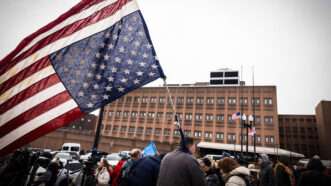
The Justice Department is investigating years of complaints of wretched living conditions, neglect, and brutality inside the D.C. Jail.

Top administration officials have all but pronounced her guilty in an ongoing investigation.
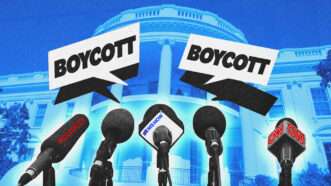
The antitrust investigation adds another layer of bullying to Trump's vendetta against "Fake News Media Outlets."
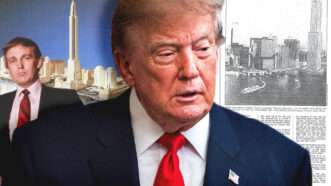
The president stands out from his modern predecessors by openly displaying his contempt for the First Amendment.

Attorney General Todd Blanche, who complains that CNN's coverage is "almost 100 percent negative towards the president," also has trouble keeping the story straight.

"I think courts are going to be very suspicious of how broad this is," one Minnesota lawyer tells Reason.

According to complaints filed by Good's family, Ross was not in any danger when he fired three shots into her car.

A GAO report notes that the Controlled Substances Act does not define "potential for abuse" or "accepted medical use."
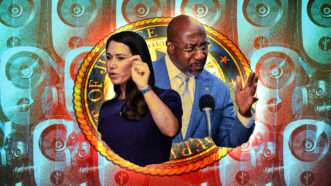
Sens. Raphael Warnock and Katie Britt would seem to have little in common, but they both feel people should have more protection from bad cops with surveillance tech.
Three people in the Los Angeles area have been charged with fraud related to misappropriation of homelessness funds.
The White House said the database tracking misconduct by federal law enforcement officers was "full of woke, anti-police concepts."

The case hinges on the distinction between "unusual" weapons and arms in common use for lawful purposes.
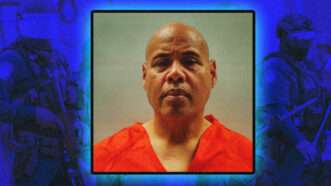
The habitually dishonest department uncritically accepted a story that was immediately contradicted by video footage and physical evidence.
Training a model on copyrighted work is the same transformative use exception that protects The New York Times' journalism.
Punishing a company for building the best product doesn't serve the businesses or users antitrust enforcers claim to protect.

The case smacks of a desire for retribution that cannot be satisfied by prosecuting the actual killers, who committed suicide.

A Justice Department report documents California's failure to protect incarcerated women from sexual assault going back decades.
A persuasive opinion by Judge Eric Miller curtails the Trump Administration's attempt to color outside the lines.

Transparency advocates say it's the latest attempt to hide more of the executive branch's business from the public and congressional investigations.
Misconduct and misrepresentations by Justice Department lawyers have led some federal judges to question the traditional benefit of the doubt they give to the government.
Denaturalization isn't new, but it has been used sparingly in modern history, in part because it is extremely costly and time-consuming.

Trump still seems to think the question of individual guilt or innocence is irrelevant.
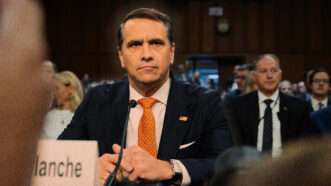
The acting attorney general confirms his dishonesty in presenting that jaw-dropping scam as the resolution of a bona fide legal dispute.
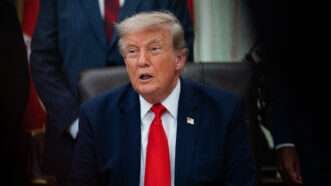
The president is still pushing the idea of using taxpayer money to reward Capitol rioters, contradicting the attorney general nominee's assurance that it won't happen.
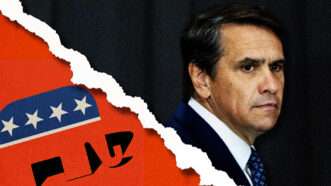
By haggling over the details of Trump's flagrantly corrupt IRS "settlement," dissenting Republican senators give a pass to Blanche's unethical and illegal approval of it.
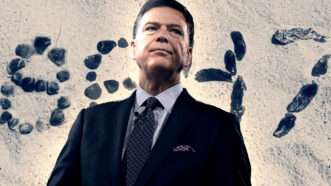
The Secret Service asserted a nonexistent "emergency" to track Comey's cellphone, and the FBI's evidence falls far short of proving his seashell picture was a crime.

The government is charging Samuel Tunick for telling them a code that would erase all the data on his phone—after they tried to take it on false pretenses.
Plus: Bodega lawsuit, Ross Douthat escapes, Anthropic book destruction, and more...
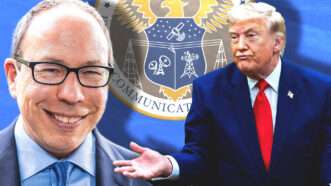
Adam Candeub has been nominated to head the Justice Department's Antitrust Division.

“The First Amendment does not allow government officials to shut down speech simply on account of it being ‘offensive,’” says a legal expert at FIRE.

During his confirmation hearing, the attorney general nominee repeatedly misrepresented the nature and scope of the sweeping immunity deal he approved.
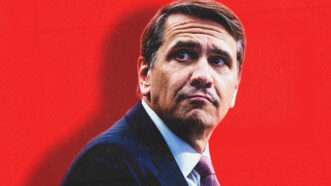
Contradicting a federal judge, the acting attorney general, who blessed that cozy arrangement, insists it was not a product of collusion or self-dealing.

Trump’s nominee for attorney general has repeatedly subverted justice to benefit his boss.
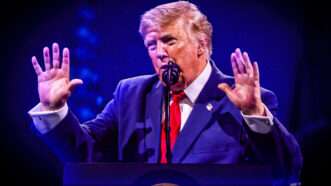
U.S. District Judge Kathleen Williams concludes that the case never presented a true "case or controversy" because both sides were controlled by the president.

The government says the reporters are not targets of the investigation, but such subpoenas can still have a chilling effect on the press.
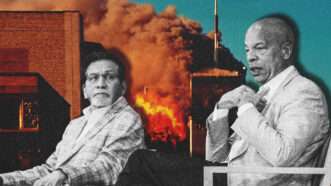
In a rare display of candor, former Attorney General Alberto Gonzales and former Homeland Security chief Jeh Johnson reflected on torture, Guantanamo Bay, and the 2001 Authorization for Use of Military Force.
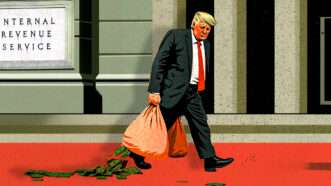
Since the beginning of his first term, the president has repeatedly used his office for personal gain.

The decision rebukes the DOJ for demanding "private and sensitive" information about Georgia election workers "with no legitimate law enforcement purpose."
Clark Neily discusses the Supreme Court, executive authority, and why federal prosecutors wield too much power.

No single factor is wholly responsible for the low-cost airline's failure, but the government certainly didn't help.

Assistant Attorney General Harmeet Dhillon argues that both laws are unconstitutional because they prohibit arms in common use for lawful purposes.
The division will be renamed the "Energy and Natural Resources Division."

Eight of the Prairieland Detention Center protesters were sentenced to a combined 450 years in prison.
A new Office of Legal Counsel opinion says disparate impact rules pushed employers to treat workers as members of racial groups rather than individuals.
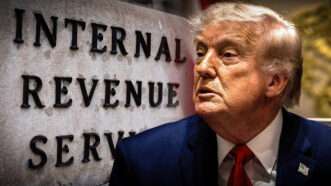
The DOJ's unilateral abandonment of the Anti-Weaponization Fund "makes it crystal clear that these parties were never adverse," the former judges argue.

The recently reintroduced American Innovation and Choice Online Act is a departure from America’s current antitrust regime, not an improvement.
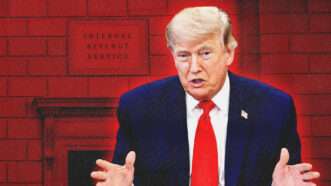
The sweet deal that resolved the president's fatally flawed lawsuit against the IRS was business as usual at the DOJ, his attorneys told a federal judge.
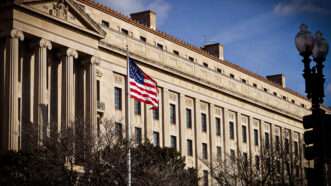
The president himself has repeatedly contradicted that claim.
Celebrate your independence with a subscription to Reason magazine, your most trusted source of honest, insightful news and analysis.




