
Anthony Scaramucci: How America Got Trump
Anthony Scaramucci discusses how China’s rise, the War on Terror, and the 2008 financial crisis fueled populist anger.

Want to know what comes next in politics, culture, and libertarian ideas? Reason’s Nick Gillespie hosts relentlessly interesting interviews with the activists, artists, authors, entrepreneurs, newsmakers, and politicians who are defining the 21st century.
Subscribe:

Anthony Scaramucci discusses how China’s rise, the War on Terror, and the 2008 financial crisis fueled populist anger.

Psychologist Peter Gray discusses why kids need more unstructured play, how schools are fueling childhood anxiety, and why smartphones aren’t to blame.

Jon Ronson discusses why old social structures are breaking down, the rise of online identity, and what happens when people lose a sense of meaning.
C.J. Ciaramella discusses 250 years of prison reform, the crisis facing state prisons, and whether America can build a more humane system.
Stephanie Slade discusses the rise of the post-liberal right, the growing appeal of state power, and why fusionism still matters.
Vinay Prasad discusses his departure from the FDA, Fauci's diaries, and how working for the government made him more libertarian.
Kurt Andersen discusses the politicization of everyday life, generational conflict, and whether markets have failed younger Americans.

Jason Silva discusses the promise of AI, the psychedelic renaissance, and the case for embracing technological optimism.

Evan Barker discusses the Democratic Party's growing disconnect from working-class voters, the realities of political fundraising, and the future of populism in America.
Pamela Colloff discusses the dangers of incentivized testimony, the difficulty of overturning wrongful convictions, and how the justice system compounds its own errors.
Zion Lights discusses what environmentalists get wrong about nuclear power and why abundant energy is key to human prosperity.
Spencer Greenberg discusses the science of self-improvement, why our thoughts and emotions can mislead us, and what it really takes to change.
Clark Neily discusses the Supreme Court, executive authority, and why federal prosecutors wield too much power.
Aaron Brown discusses how research gets distorted, why sensational claims spread so quickly, and how to think more critically about the numbers behind the headlines.
Marjorie Taylor Greene discusses the future of the Republican Party, the resurgence of democratic socialism, and why the political establishment always wins
Economist Soumaya Keynes discusses Trump’s tariff policies, how China changed the global economy, and why trade wars require restraint.

Jack Clark discusses Anthropic's regulatory fights, the possibility of recursive self-improvement, and how AI could reshape the economy.
Matt Welch discusses the forgotten reality of the bicentennial, the cultural impact of Roots, and why America doesn't need a single national story.
Rebecca Goldstein discusses the search for meaning, the roots of modern discontent, and how people build purpose in a secular age.
Damon Root discusses the path to emancipation, the struggle to secure freedom after the Civil War, and the constitutional changes that remade America.
Nobel Prize-winning economist Alvin E. Roth discusses the moral limits of markets, how bans create black markets, and why harm reduction often works better than prohibition.
Johan Norberg discusses what makes societies prosperous, why protectionism and nostalgia keep returning, and how populism feeds cultural decline.
Jacob Mchangama and Jeff Kosseff discuss the global decline of free speech, why democracies are embracing censorship, and what can be done to protect open debate.
Sen. John Fetterman discusses the state of the Democratic Party, immigration, foreign policy, and the dangers of political extremism.
The Supreme Court justice discusses the Declaration of Independence, how unchecked power threatens liberty, and what the Founders can teach future generations.

Andy Serkis discusses the corrupting nature of power, what Animal Farm says about modern authoritarianism, and whether technology expands or diminishes human creativity.
Economist Jennifer Doleac discusses why long sentences don’t reduce crime, how first-time defendants benefit from leniency, and why clearance rates are key to crime reduction.
Afroman discusses his free speech court victory, why he thinks he could unite America, and whether he feels pressure to always be high.
Emma Ashford discusses Trump’s incoherent Iran strategy, the failures of post–Cold War foreign policy, and why a multipolar world limits American power.
Jacob Siegel discusses how the internet reshaped political power, the rise of technocratic rule, and why information control keeps failing.
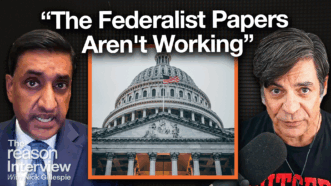
The California congressman discusses the Iran war, unchecked executive power, California’s wealth tax debate, and the search for a shared American identity.

Brink Lindsey discusses the gap between mass prosperity and mass flourishing, capitalism’s crisis of inclusion, and the implications of falling fertility.
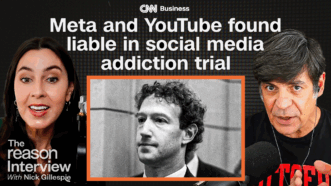
Tech journalist Taylor Lorenz discusses the Meta trial, the moral panic around social media, and the risks of regulating online speech.
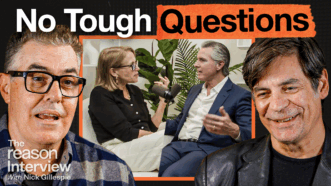
Comedian Adam Carolla discusses how soft journalism destroys media credibility, why California is losing residents, and the importance of meritocracy.
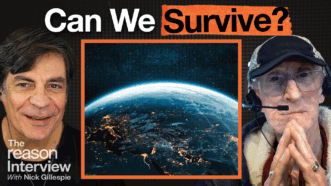
Whole Earth Catalog creator Stewart Brand discusses maintaining complex systems, the importance of stewardship, and how technological optimism shapes the future.
Mark Chenoweth discusses the SEC’s gag rule, the power of the administrative state, and the legal battle over whether regulators can silence their critics.
Jonah Goldberg discusses the Iran war, Trump’s governing style, the rise of the populist right, and why he believes the GOP is drifting away from conservatism.
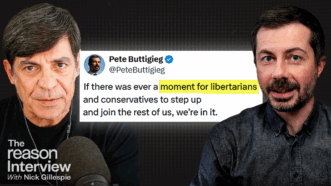
Former Transportation Secretary Pete Buttigieg discusses immigration enforcement, the role of government, and why federal agencies are losing public trust.
Michael Shermer examines the psychology behind pattern seeking, the limits of suspicion, and how the Epstein files fuel conspiracy thinking.

Exiled journalist Fardad Farahzad discusses how Iranians get uncensored news, the state of the protest movement, and whether the Islamic Republic is losing its grip on power.

Rep. Thomas Massie explains why he is risking his political career over the Epstein files, details what he saw in the unredacted documents, and argues that the scandal reveals a bipartisan failure of accountability stretching across multiple administrations.
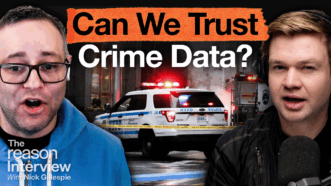
Crime analyst Jeff Asher explains the historic decline in murders, why Americans distrust crime statistics, and what the data actually show about public safety.

Economist J.C. Bradbury breaks down why taxpayer-funded stadiums are a bad idea, how team owners market them to politicians, and why another stadium building boom may be coming.
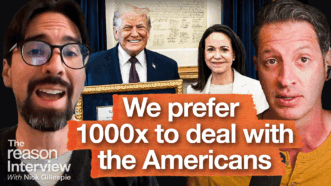
Venezuelan opposition leader Freddy Guevara explains support for U.S. intervention, how socialism destroyed Venezuela, and what a democratic transition would require.
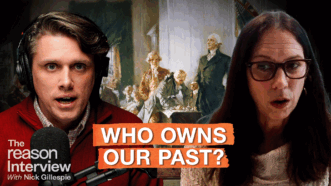
Former U.S. Archivist Colleen Shogan discusses the importance of preserving presidential records and the challenge of maintaining public trust in an era of partisan conflict.
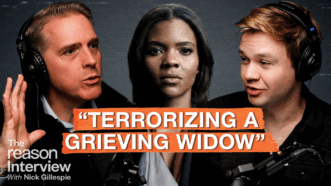
Scott Jennings discusses life as a conservative at CNN, Trump’s record a year into his second term, and how figures like Candace Owens damage the right.
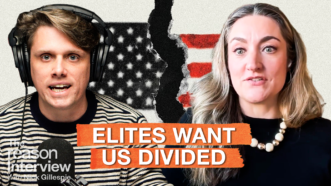
Lauren Hall looks at the roots of political tribalism, why voters feel trapped between false choices, and how radical moderation offers a way out of constant polarization.
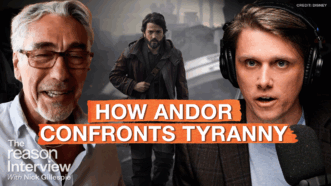
Tony Gilroy examines how Andor portrays authoritarian power as a bureaucratic system, the moral compromises of life under surveillance, and the role ordinary people play in enforcing oppressive systems.
Celebrate your independence with a subscription to Reason magazine, your most trusted source of honest, insightful news and analysis.




