The Government Doesn't Know What's Best for You. Why Let It Decide What You Should Eat?
Governments are moving beyond mere advice and trying to regulate people's diets more directly.

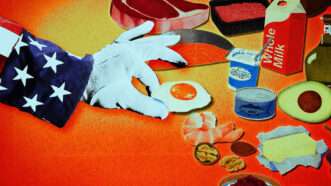
Governments are moving beyond mere advice and trying to regulate people's diets more directly.

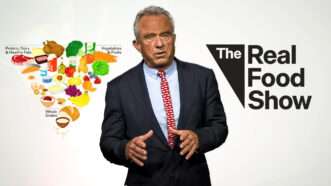
The Real Food Show features chefs making dishes alongside the health and human services secretary.
Much of the hatred directed at private equity is just a familiar form of opposition to free markets.

I've been working in law and public policy for over 15 years, and even I had a hard time making sense of Chicago's permit rules for food vendors.
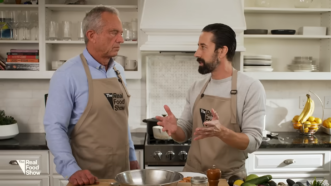
I think it's cool that conservatives are trying to make it cool to care about nutrition. But this isn't the government's place.
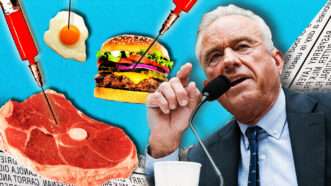
A proposed FDA rule would require food manufacturers to disclose ingredients they deem safe, which the agency admits would have a “significant economic impact” on small businesses.

Food-related taxes are rising in popularity, though they hurt restaurants and customers—and may even fail as a revenue-raising tool.
Plus: The economy lost 23,000 jobs in July, inflation is outpacing wage growth, Trump is still mad about birthright citizenship, and more...

Robby Soave and Christian Britschgi cover all of the politically charged food takes of the week from Thanksgiving to burritos.
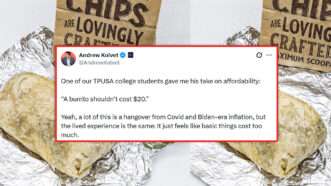
Americans are angry because everyday goods are much more expensive, and politicians think they should “stop whining.”

Venezuela’s government-run grocery stores led to endless lines, empty shelves, quotas, and corruption.
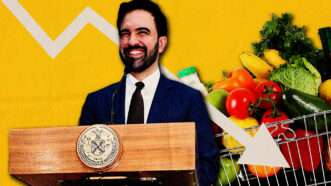
This week, Mamdani announced his city-run grocery stores will sell core goods at a 30 percent discount.
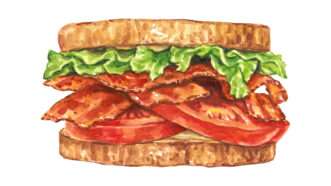
The BLT—a delicious celebration of the power of markets—exemplifies political attacks on the free movement of goods and people.

Armed conflict and violence remain the primary drivers of acute food insecurity.

The legislation would eliminate the tip credit for restaurant workers and other tipped employees—which has not worked out well in the past.

Can we trust the federal government and its ever-changing nutrition guidelines, to teach us how and what to cook?

More than $1 of every $10 in SNAP benefits went to people who didn't qualify in 2025.
A new law requires grocery stores to keep one staffed checkout open for every three self-checkout stations.
"We created a problem and it's our responsibility to fix it," former Seattle City Council President Sara Nelson admitted.
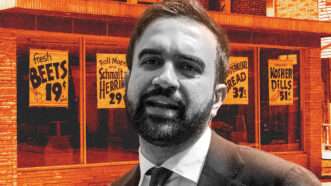
Zohran Mamdani's administration has not studied how New York City's government-backed grocery stores will affect nearby mom-and-pop outlets, which operate on thin profit margins.


Food Not Bombs argues it has a First Amendment right to feed the needy without a permit. That's led to crackdowns and lawsuits around the country.

Researchers tracked 130,000 people for over 40 years and found coffee was associated with reduced risk of dementia.

Nominees include stories on America's gerontocracy, the war on chocolate, how Texas beat California on housing, and more.
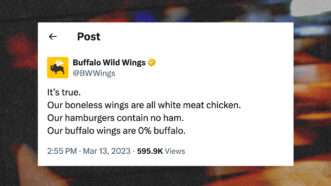
"Our boneless wings are all white meat chicken....Our buffalo wings are 0% buffalo," Buffalo Wild Wings quipped.

Democratic state lawmakers want to give tax carveouts to certain restaurants. The real problem is New Jersey's tax code itself.
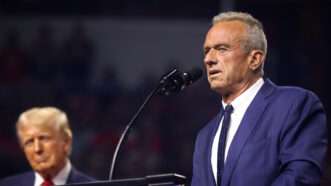
How to raise food prices without giving consumers any useful information.

The Court’s glyphosate case could reshape legal liability—and undermine evidence-based regulation.

Republicans and Democrats preach about food affordability. Yet their policies continue to make it worse.

America gets 90 percent of its fresh tomatoes from Mexico, and those imports were tariff-free until last year.

New York City plans to open five city-owned grocery stores by 2029.

Unfortunately it's nothing like Willy Wonka's "three-course dinner gum."

While eliminating the tipped wage may sound like a win on paper for waiters, the results have been disconcerting.

The case could give the Court a chance to clarify what a "closely regulated" business is and what constitutional protections it enjoys.
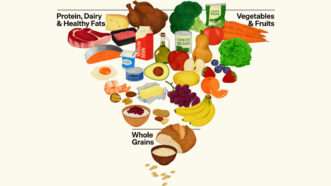
It's far more likely we'll be back to revise the pyramid again a decade from now.
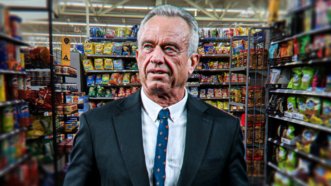
HHS Secretary Robert F. Kennedy Jr. is importing a failed European idea.

Some climate activists want a meat-free future. The science says otherwise.

By the administration's logic, Iowa is hurting Arizona by producing so much corn. This is a very silly way to think about economic policy.
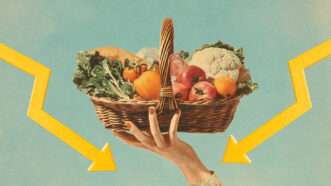
Legislators are trying to pass their own state version of an outdated antitrust law—one that is dead at the federal level for a reason.
Amid a $5.4 billion budget deficit, the mayor of New York City is pushing forward with a proposal that has historically yielded terrible results.


The bill has a wide variety of groups worried that they could be targeted for criticism of large agribusinesses.

Polymarket’s pop-up grocery and Kalshi’s food money giveaways are the latest examples in New York’s decades-long history of food charity.

Donald Trump and Peter Navarro are blaming meatpackers for hiking beef prices, but Agriculture Department data tell a different story.


New from Reason: a look into what Javier Milei has accomplished and what it will take to make the most of Argentina’s window for real change. Out now for subscribers.