
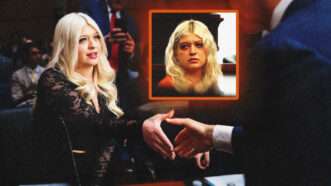
Are the Cornell 7 Being Tried on Social Media?
Plus: Tennessee botches the execution of Christa Pike, and Sam Altman says the benefits of AI are worth the risks.


Plus: Tennessee botches the execution of Christa Pike, and Sam Altman says the benefits of AI are worth the risks.
The case involves a federal law that criminalizes gun possession by people convicted of nonviolent felonies.
The ruling has major implications for property owners when the government ruins their possessions in the exercise of "police power."
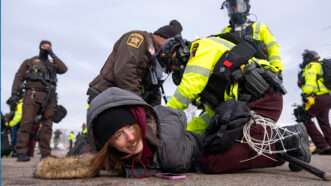
"I think courts are going to be very suspicious of how broad this is," one Minnesota lawyer tells Reason.
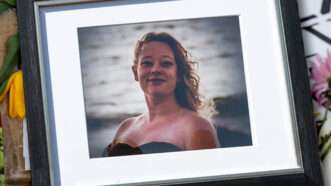
According to complaints filed by Good's family, Ross was not in any danger when he fired three shots into her car.

Lethal injection dresses up the death penalty as something clinical and civilized. But the goal is the same: to kill someone.
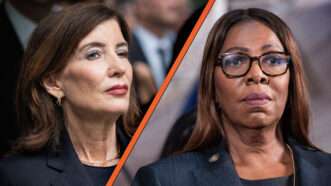
New York Gov. Kathy Hochul appointed a special prosecutor who has already implied that she sides with Jane Doe.
Robby Soave and Christian Britschgi discuss the Cornell rape lawsuit, D.C.'s pro–data center party, an attempted hijacking, and Tennessee's failed attempt at capital punishment
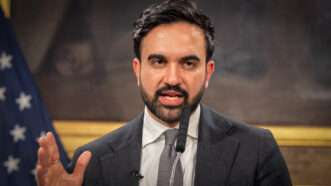
Mamdani wants to spend millions of dollars fighting "hate." Where does the money go?
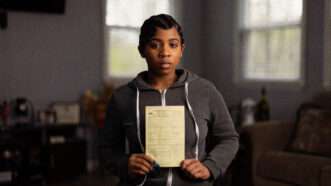
Financially motivated traffic enforcement produced a huge surge in revenue for Brookside, Alabama, where "fines and forfeitures" accounted for half the city's income in 2020.
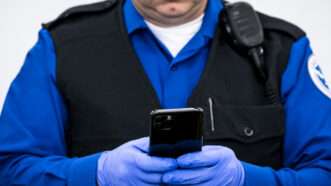
A former assistant state attorney and an immigrant rights activist both had their phones seized, despite having attorney-client privilege. They're suing to protect their data.

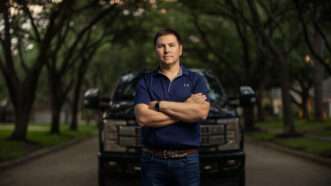
AI-powered license plate readers flagged an abnormal driving pattern. Then officers made up reasons to pull him over and interrogated him, and they faked a K-9 alert to justify a nonconsensual search.
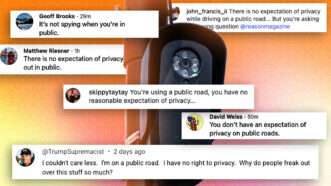
Defenders of Flock-style surveillance systems argue that people “have no reasonable expectation of privacy in public.” They're wrong.
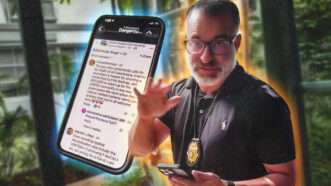
Miami Beach detectives questioned Raquel Pacheco at her house over her pro-Palestine Facebook comments. A judge ruled several key claims in her First Amendment lawsuit against the city can proceed.
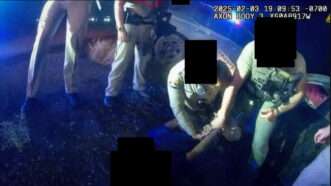

A GAO report notes that the Controlled Substances Act does not define "potential for abuse" or "accepted medical use."

Angela Lipps is suing for $10 million after a Fargo police detective ignored evidence that she was innocent and arrested her anyway.
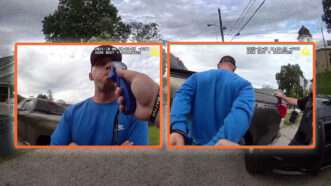
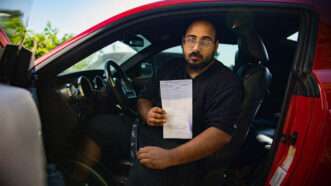
"It is clearly established that an officer cannot pull someone over without reasonable suspicion and thereafter concoct a fabricated traffic violation," the appeals court says.
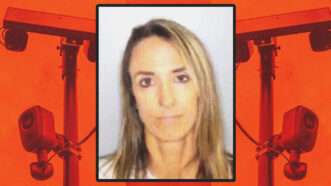
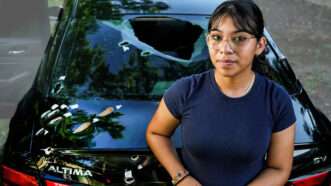
Law enforcement shot bystander Abigail Trujillo's vehicle dozens of times. Her struggle to get help is part of a larger pattern.
Federal appeals courts differ on whether the Fourth Amendment protects your cellphone at the border. A Texas lawyer is asking the Supreme Court to settle it.
Sens. Raphael Warnock and Katie Britt would seem to have little in common, but they both feel people should have more protection from bad cops with surveillance tech.
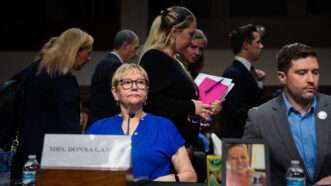
Donna Ganger's heartbreaking testimony to a Senate committee offers a vital insight into the vicious politics of authoritarianism.
It was Flock that led cops to the wrong woman. It was police who ignored the other evidence and jailed her.
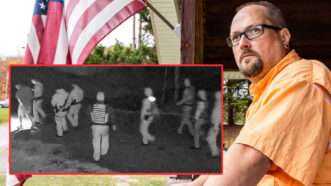
Joshua Gibbons says his embarrassing videos of police officers in Kingsport, Tennessee, were a motivating factor in their decision to arrest him on minor charges that were thrown out of court.

SparrowMap uses volunteer cameras to track the police in the same way police track the public. The government considers it a potential threat.

Gun owners should be paying attention to how police use gunfire microphones in conjunction with license plate cameras.

Cops keep carving out tech exceptions to the Fourth Amendment—and courts are giving them their blessing.

The immigration system has a confusing and opaque approach to foreigners who have done sex work.
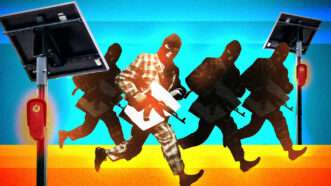
Flock has been promoting a recent study of its cameras' impacts on car theft. But the paper didn't demonstrate a causal effect.
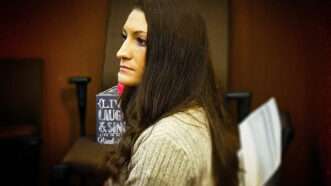
Just as a holdout may be a bulwark against wrongful conviction, a unanimous verdict is difficult to obtain by design.
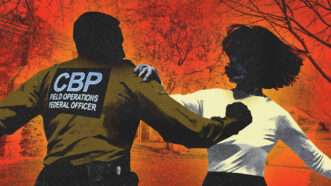
Jurors didn't buy Luis Uribe's defense: that he was targeted by "hustlers" for being an immigration officer.

The ACLU says Hunter Demster's arrest shows a continuing campaign of intimidation and retaliation by the Memphis Safe Task Force.
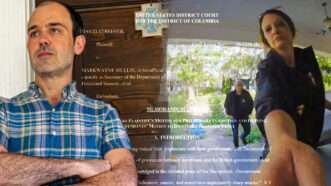
After David Streever castigated ICE's acting director in an email, investigators delivered a "warning notice" saying he "may be in violation of federal law."
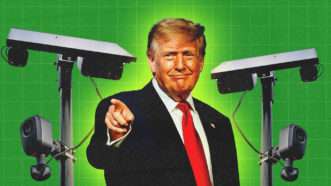
Trump says he supports the cameras simply because law enforcement does, no matter that they can be misused or abused.
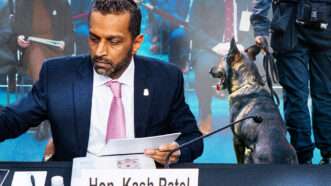
Judge concludes "progressive prosecutor" Larry Krasner and a deputy engaged in unethical--and potentially unlawful--conduct in their zeal to undo a criminal conviction.

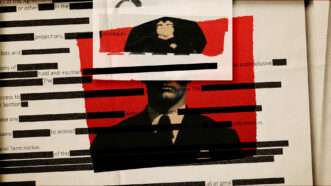
The White House said the database tracking misconduct by federal law enforcement officers was "full of woke, anti-police concepts."

And yet governments deny reimbursement claims more often than approving them, according to the Institute for Justice.

The history of the Excessive Fines Clause shows why Alaska pilot Ken Jouppi should not lose his airplane simply because he helped a passenger defy a local alcohol ban.

Challenging his conviction for illegal gun possession, Curtis Squire argues that the Commerce Clause cannot justify bans on intrastate, noncommercial conduct.
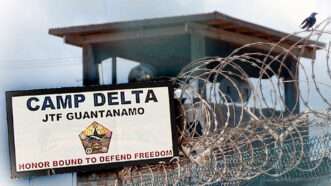
Adam Abdullah was legally working in the U.S. when he was detained as part of "Operation Metro Surge" in the Twin Cities. His biggest criminal offense is a parking ticket.
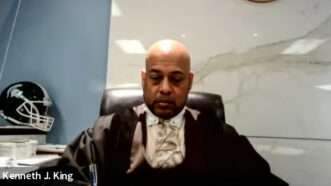
The Court of Appeals for the 6th Circuit ruled that judicial immunity did not cover Kenneth King's "scared straight" approach to a sleepy 15-year-old.

The Fifth Circuit Court of Appeals ruled that Taylor Rogers didn't show that it was clearly established that it was excessive force to be held down on a pile of fire ants while handcuffed.
Celebrate your independence with a subscription to Reason magazine, your most trusted source of honest, insightful news and analysis.




