
Americans Have Learned Virtually No Lessons From 9/11
We still believe in the false promise of trading freedom for safety.


We still believe in the false promise of trading freedom for safety.
If you oppose the draft, you should oppose the measures that would make it easier to implement too.
France's top court ruled that a social media ban for under-15s would infringe on free expression and privacy.

As leader of the “Girchi—More Freedom” party, Zurab Japaridze spent 7 months jailed as a political prisoner. He’s prepared to spend much longer there if he has to.
The Senate Commerce committee advanced four bills related to online and AI safety in the name of protecting children.
"Success comes from meeting the needs and wants of others," says businessman and publisher Steve Forbes.
A local lawmaker said she wants to "keep my measured distance from him so he can live his good little life." What about humans?
"I want a smaller government. I want to get crooked judges and police officers out of the government," the rapper tells Reason's Andrew Heaton.
Plus: World Cup tourists embrace America, the Supreme Court expands gun rights, and Europe's resistance to air conditioning
Two distinctly American traits that powered the Revolution: We don't like being told what to do by our supposed betters, and we really don't like being told to shut up.
Most Americans still appreciate the freedom the country was founded upon.
Plus: failing power grids, Canadian euthanasia, AOC running for president, and more...
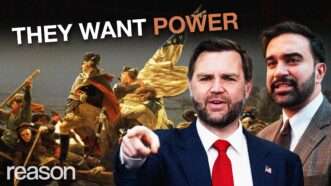
Washington’s troops won the ground war, but today's left and right are waging war on the ideals of the Revolution.
The Great American State Fair promised a celebration of freedom. So why was I stuck in the air?
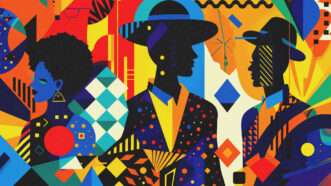
June 19 commemorates the day the final 250,000 people held in slavery gained their freedom. It deserves a place in any celebration of American liberty.
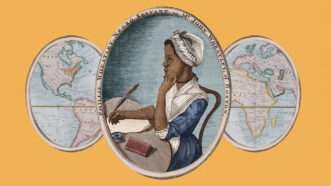
The Odyssey of Phillis Wheatley tells the story of early America's "African poetess."
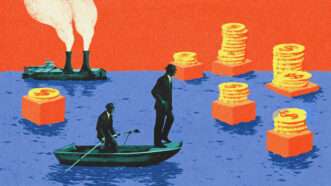
A new report found that 82 percent of Americans want the benefits of free markets taught in high school.
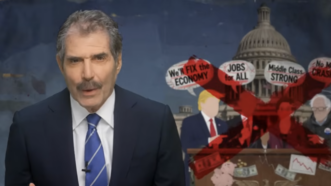
"It's really important that people step back, look at economic history," says economist Donald Boudreaux. "They'll see that we prosper more the more economically free we are."
Rebecca Goldstein discusses the search for meaning, the roots of modern discontent, and how people build purpose in a secular age.
Behind Japan's economic success lies a government and legal system that clearly prioritize social stability and group harmony over individual rights.
Repackaged as “antizionism,” an ancient hatred poses a fundamental danger to us all.
The country should rediscover its decentralized roots to revive freedom and national pride.
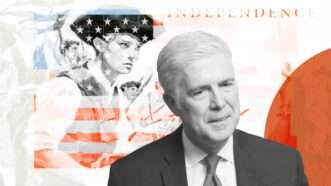
Neil Gorsuch's new book reminds us that to accelerate progress, we must first acknowledge the progress that has already occurred.
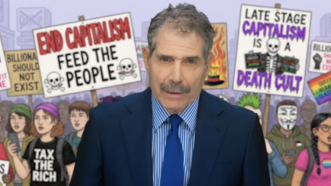
"The New Deal made investment in America a risky project," says economist Donald J. Boudreaux, author of The Triumph of Economic Freedom.
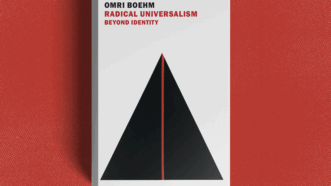
Philosopher Omri Boehm argues persuasively that universal human dignity is anathema to identitarian politics.
"Why should somebody else have this right to decide the direction of my own life?" asks Timothy Sandefur, author of the book You Don't Own Me.
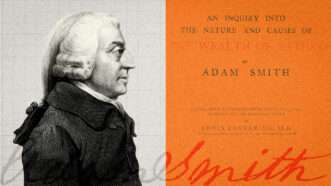
Governments have yet to accept that free societies are also prosperous societies.

The Schitt's Creek character, played by Catherine O'Hara, was unapologetically herself and free from ordinary social expectations in a way I'd never seen before and knew I'd never see again.
Empowering patients is good. Let’s give them a lot more choice and independence.
Past societies tried to regulate their way to stability. But it came at a great cost.

The Trump administration's chest-pounding approach is costing lives and eroding freedoms.
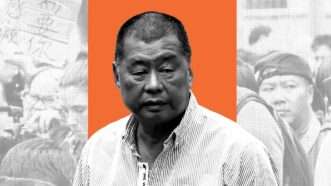
The self-made tycoon was convicted this week of violating Hong Kong's "national security" law. But he could have escaped it.
The document remains remarkably resilient, even as Republicans and Democrats keep launching assaults on liberty.
The magazine of free minds and free markets has changed millions of minds—including mine—to take freedom seriously.
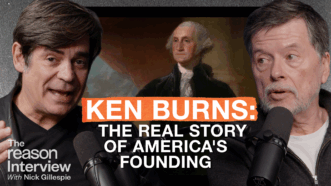
Filmmaker Ken Burns breaks down the myths surrounding America’s founding, explains how the Declaration’s own contradictions ultimately expanded American freedom, and argues for the continued funding of public broadcasting.
"When you open up the option of assisted dying to people who are not dying, things get complicated," says the author of The Inevitable: Dispatches on the Right to Die.
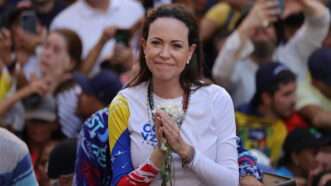
The award goes to a classical liberal and free market advocate who has risked her life to challenge Venezuela’s socialist dictatorship.
Authoritarian pandemic policy made the world poorer and less free.
Peter Thiel warns of a pending one-world totalitarian government—while himself pushing to supercharge the surveillance state.

All liberty involves tradeoffs. So does repressing liberty.
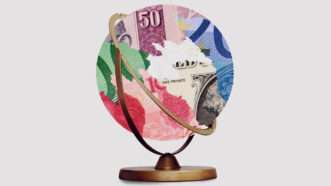
The Hidden Globe takes a skeptical but nuanced look at quasi-autonomous territories in the cracks of the map.
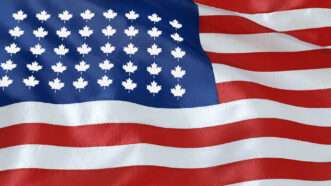
Turning the National Guard into a nationwide police force betrays the Founders’ vision and erodes the freedoms that make the U.S. exceptional.

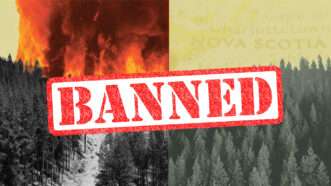
The province says this will prevent forest fires. Those who violate the ban will face a $25,000 fine.

DIY firearms aren’t just an end-run around the law; they represent a libertarian political movement.
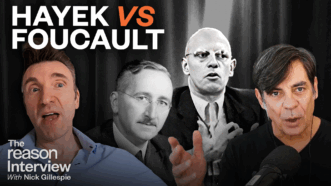
Political economist Mark Pennington draws on the ideas of Hayek and Foucault to show how expert rule and government surveillance are making it harder for people to think freely and live on their own terms.
Celebrate your independence with a subscription to Reason magazine, your most trusted source of honest, insightful news and analysis.




