
The Bipartisan Antitrust Crusade Against Big Tech
How reactionary politicians are using monopoly concerns as cover to pursue pre-existing political agendas


How reactionary politicians are using monopoly concerns as cover to pursue pre-existing political agendas
The COVID-19 adviser's unsatisfying explanation of his conversion feeds skepticism about the value of a sensible precaution.

A new article's authors thanked Twitter for calling out their problematic microaggressions.


The creator of ultra-woke poet Titania McGrath makes the case against cancel culture.

Theatrical safety checks don't keep people safe—vaccines do.

The company has agreed to purchase 15 supersonic airliners from Denver-based aerospace startup Boom.

Plus: Prosecutors are big lobbyists for new crime bills, Biden floats compromise on corporate taxes, and more...

No, states can't use the 10th Amendment to overturn the First Amendment.

Prosecutors like to use the law against people who clearly weren't engaged in hacking. The Court is trying to rein them in.


The creator of Titania McGrath on cancel culture, government overreach, and younger generations' willingness to censor

There are any number of ways regulators may seek to clamp down on cryptocurrencies.

Elizabeth Ann, a black-footed ferret, was cloned from cells of another ferret that were cryopreserved at the San Diego Zoo Wildlife Alliance's Frozen Zoo.

“The Act is so rife with fundamental infirmities that it appears to have been enacted without any regard for the Constitution,” the lawsuit reads.

There's a good chance they haven't been preventing the spread of COVID, and they might even be counterproductive.

Industrial policy is the wrong answer to a problem that mostly doesn't exist.

A new antitrust suit targets third-party seller agreements.

A co-author of the article that Rochelle Walensky cited says outdoor settings probably account for "substantially less than 1 percent" of infections.

Rather than let students weigh crypto costs and benefits on their own, the Consumer Financial Protection Bureau claims to know best.

Plus: Protesters increasingly hit with "civil disorder" charges, why cryptocurrency prices are falling, and more...
Though Trump is gone, the desire to bend the internet toward partisan goals is alive and well.

We expect British royals to favor muzzling commoners, but too many lawmakers feel the same way.

Ignore the hype: Latin American immigration is (still) the city’s greatest strength.

Calling a classmate a racist slur on Snapchat is offensive. It’s also protected speech.

Plus: Three things that aren't as bad as they seem, Tennessee bans certain treatments for transgender minors, and more...
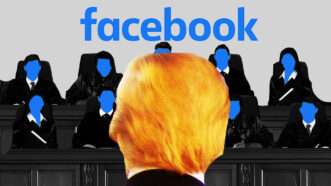
It's a working model for non-state governance in cyberspace that is vastly preferable to government control of social media.

The Senate’s Endless Frontier Act aims to spur innovation but leaves out immigration reform.


Rochelle Walensky's gloss is puzzling in light of the evidence presented in the systematic review on which she relied.
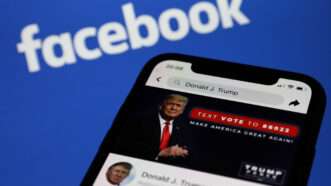
A member of the board (and a Cato Institute vice president) defends the controversial decision to kick the former president off the social media platform.

A conversation with Whole Earth Catalog founder, Merry Prankster, and woolly mammoth de-extinctionist Stewart Brand.

Medical breakthroughs mean we will never again suffer through diseases like the novel coronavirus—if politicians will get out of the way.

Facebook can't kill, jail, or tax you. It can only stop you from posting on Facebook.
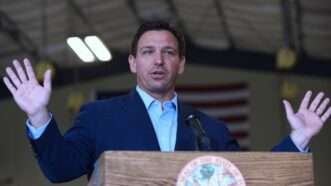
"It's very obvious that nobody involved in [the bill] consulted a First Amendment lawyer," says TechFreedom's Berin Szóka.

"At the time of Mr. Trump's posts, there was a clear, immediate risk of harm."

Plus: The challenges of free speech on Twitter, the case against baseball bailouts, and more...


Silence isn't violence, and recusing your company from political discourse, as Basecamp and Coinbase have done, is a perfectly valid line to draw.

Say what you will about the U.S., but its financial reporting rules are at least consistent.

A new bill repurposes the war on terror's pro-snitching mantra by requiring that tech companies share user data with the federal government.

Plus: An anti-tech crusader could be joining the FTC, threats to free speech at Columbia University, and more...

By invoking the magic of good intentions, the Times justifies the U.S. acting like Russia and China.

From "power poses" to the self-esteem movement to implicit bias tests, we want to believe one small tweak will solve our problems, says Jesse Singal.

"The notion that a school can discipline a student for that kind of...non-harassing expression is contrary to our First Amendment tradition."

From "power poses" to the self-esteem movement to implicit bias tests, Americans are suckers for bad ideas from psychologists.

We already know how to affordably expand connectivity; government-run networks ain’t it.
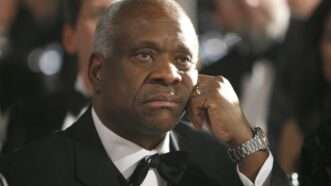
A moot case about Trump blocking tweets leads to concerns that tech companies have too much control over speech.


New from Reason: a look into what Javier Milei has accomplished and what it will take to make the most of Argentina’s window for real change. Out now for subscribers.

