
How Trump's Tariffs Will Harm National Security
Imports improve the economy and benefit the country.


Imports improve the economy and benefit the country.

And if other countries respond with similar tariffs, the U.S. could lose more than 600,000 manufacturing jobs.
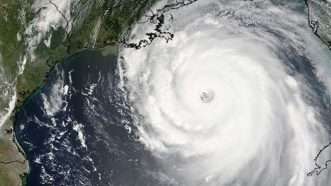
Everything from preparations through recovery will be more expensive, thanks to tariffs on steel, aluminum, and timber.
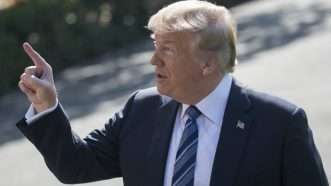
Don't believe the administration's claim that this will hurt China.
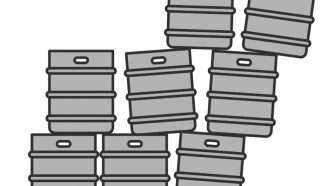
If you tax something, you get less of it, and Trump's tariffs are a tax on making things-including cans, kegs, and the beer that goes into them.

The really scary thing is that even the CBO's more accurate assessment is also based on unlikely assumptions.

San Francisco is famously America's most expensive city.

Trump can impose car tariffs only by stretching the meaning of "national security" beyond recognition.

And it's cruel to tell people that government policy can reverse the decline.
They may take for granted the bounty capitalism has bestowed.
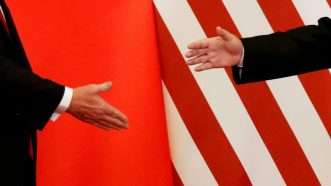
Treasury Secretary Steven Mnuchin says Trump administration is withdrawing plan to impose 25 percent tariffs on $150 billion of Chinese imports.

Even the suggestion that defense spending could be cut is enough to scare most Republicans away from a facing fiscal reality.

Trump wants tariffs on 1,300 Chinese-made goods. Dozens of American businessmen and women are in Washington this week to explain why that's an awful idea.

Do Republicans have the guts to impose strict spending caps?

This will hurt innocent people. It may harm legal businesses. And it won't actually work.

Bryan Davis created a chemical reactor that compresses time, bringing an artistic sensibility back to aged spirits.
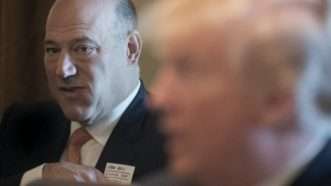
"We should buy from them what they're good at; we should sell to them what we're good at," says Gary Cohn, who left the White House in March.
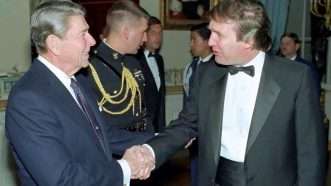
The Donald is more like The Gipper on trade policy than you think. And not in a good way.

The president's aggressive but rudderless trade policy is watering the swamp.
More undocumented immigration meant less violent crime.
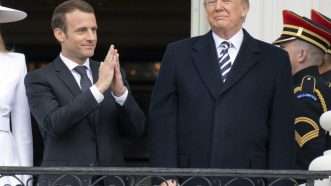
Trump talks about wanting to reduce our trade deficit with China, but using tariffs to do it might jeopardize America's trade surplus in agriculture.
The libertarian went looking for the reason for entrepreneurial decline. The answer he found went against everything he believed. He published the results anyway.

We restrict trade to punish our enemies. Why would we do the same to ourselves?

Reason editors rate the White House Correspondents Dinner, Trump's nuclear politics, the optics of political summits, and the resuscitation of Zora Neale Hurston.

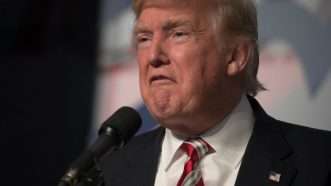
In Trump's mind, America loses when it buys too much. And it loses when we sell too.

But working-class identity politics threaten to ruin everything.

The solution to government interference isn't more of it.

Texas Tech University's Robert Murphy vs. Cato's George Selgin at the Soho Forum
The economic illiteracy of Bernie Sanders
The economist and podcast star talks about intellectual humility, the growing incentives for anti-social behavior, and why Adam Smith is more relevant than ever.

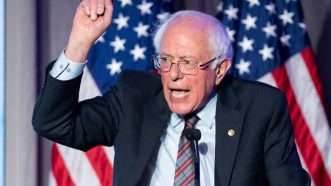
Can't get work? Trim hedges for the government!
A new article in BioScience vindicates The End of Doom.

"He's going to be a one-term president, plain and simple."

It doesn't matter if those to whom you sell goods or labor are not the same as those from whom you buy these things. The same goes for America.

A state senator wants to crack down on "economic crimes" in the state's underground economy.
Texas Tech's Robert Murphy squares off against Cato's George Selgin in New York on Monday, April 16.

Thursday's vote is an empty gesture. Worse, it's a hypocritical one.
It's time to wise up and start curtailing America's mounting debt.
As Paul Ryan exits, a new CBO report confirms the extent of the GOP's damage to the nation's budget.

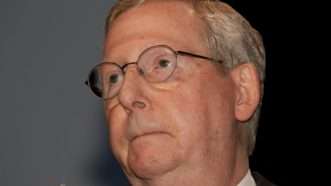
Senate Majority Leader Mitch McConnell says he's "nervous" about getting into a global trade war. Here's what he could do to prevent one.
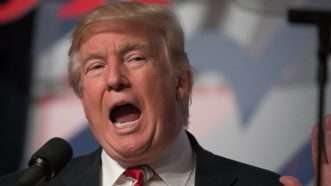
And 1,300 more that will make you scratch your head.

The greatest conflict of our time enters a new phase.
Celebrate your independence with a subscription to Reason magazine, your most trusted source of honest, insightful news and analysis.




