
Democrats Are Undoing California's Pension Reforms. Why Are Republicans Going Along With It?
Pension changes passed in 2011 have saved California taxpayers from a fiscal crisis, but public sector unions are now pushing to undo them.


Pension changes passed in 2011 have saved California taxpayers from a fiscal crisis, but public sector unions are now pushing to undo them.

Civil liberties advocates warn that Americans’ privacy and surveillance concerns won’t be solved without strong legal protections.

Florida police departments have been adding drones, facial recognition technology, and license plate readers to their arsenals for years.
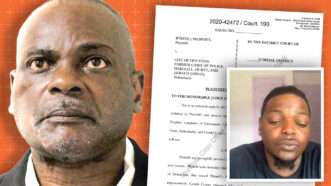
In a federal lawsuit, Byron Prophet argues that police supervisors "turned a blind eye" for years as Gerald Goines framed innocent people.

Benn Jordan wants the snoopers to be “a little unsettled.”
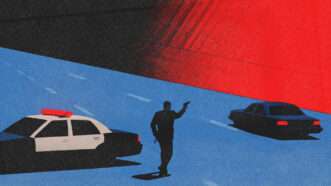
The U.S. government responded in ways that are so integrated into daily life that we no longer recognize them.

While the settlement is a good thing, it's unfortunately still the case that at airports, the Bill of Rights is more of a list of suggestions.

"If there are Flock cameras in your city, they are tracking, logging and sharing your movements without a warrant," warns the ACLU.

Robby Soave and Christian Britschgi take on press restrictions, the war on drugs, Flock cameras, data centers, dating, punk rock, and why war is still bad, actually.

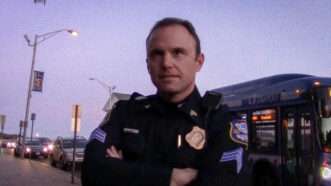
The 2nd Circuit is the latest federal circuit court to find a First Amendment right to record the police.


Robby Soave and Christian Britschgi break down the absurd political fights about America’s surveillance state before jumping into House of the Dragon.
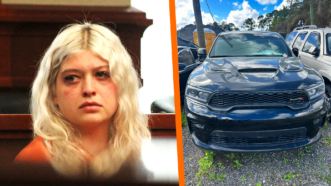
From wrongful arrests to officers stalking exes, license plate cameras keep exposing police failures.

Robby Soave and Amber Duke attack The Free Press' latest attempt to defend Flock cameras.

A free speech organization sent a letter to the police department last week, calling its anti–hate speech post unconstitutional.


Trump still seems to think the question of individual guilt or innocence is irrelevant.

Plus: Trump restarts talks with Iran, the Warner Bros.-Paramount merger, and Congress revisits the COVID response.
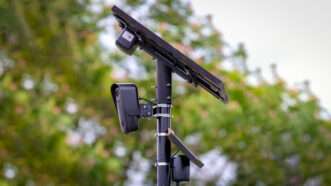
Michael Soyfer, an attorney at the Institute for Justice, calls it “just the tip of the iceberg.”

Paul Skalnik was a career criminal and jailhouse snitch whose unbelievable testimony secured dozens of convictions—including that of Jim Dailey, who awaits execution.

The Kansas Justice Institute argues that Wichita's "warrantless ALPR dragnet surveillance program" violates the state constitution's privacy protections.

Constitutional limits on federal authority should not be partisan matters.

The ACLU of Iowa found that black and disabled students were disproportionately the subject of police referrals and arrests for school disciplinary issues.

State lawmakers are mulling a law that would establish commonsense protections for families that give their children a reasonable amount of independence.

The government is charging Samuel Tunick for telling them a code that would erase all the data on his phone—after they tried to take it on false pretenses.

Although Flock Safety’s auditing tools have helped catch the bad actors, more is needed to protect Americans’ privacy.



Department of Homeland Security
Newly uncovered documents show that the government didn’t need extensive surveillance or expensive fortifications to protect the White House.


Robby Soave and Amber Duke discuss the strange turn of events in the congressman's trip.


Firing a toy gun out of a camera-covered robotaxi while underage drinking was never going to end well.
Newly published dashcam footage shows a sheriff’s deputy driving recklessly to pull over an actress he’d met while working on the set of the TV show Bad Monkey.

Cops stopped a semitruck because of a drug tip, then tried to dress the illegal search up as a routine inspection.
Neil Gorsuch proposes an alternative to a Fourth Amendment standard that has proven to be an unreliable safeguard against government snooping.

First-place wins include work on America's gerontocracy, an interview with anti–death penalty activist Helen Prejean, and some Star Wars comedy.


Police have arrested at least 15 people in recent years based on bad facial recognition hits.
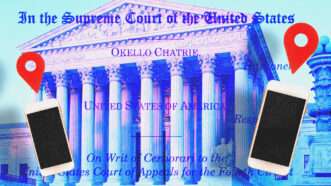
Understanding Chatrie v. United States.


New from Reason: a look into what Javier Milei has accomplished and what it will take to make the most of Argentina’s window for real change. Out now for subscribers.

