
Photo: Fighting Flock From a Lawn Chair
"I'm not a lawbreaker," the Florida man known as the "flock blocker" told local media.

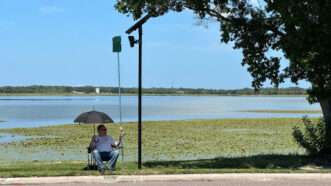
"I'm not a lawbreaker," the Florida man known as the "flock blocker" told local media.
State and federal courts have almost uniformly ruled that searches of ALPR databases do not implicate the Fourth Amendment.
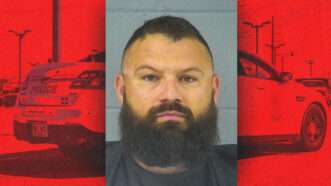

The automated license plate reader system is “a type of indiscriminate mass surveillance," says a federal judge.
Gun registry bans might not be enough to protect gun owners from lists built from license-plate data.
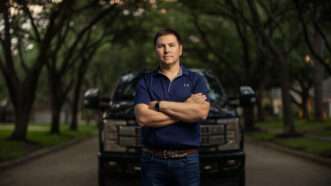
AI-powered license plate readers flagged an abnormal driving pattern. Then officers made up reasons to pull him over and interrogated him, and they faked a K-9 alert to justify a nonconsensual search.
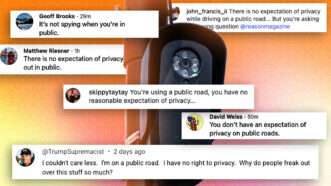
Defenders of Flock-style surveillance systems argue that people “have no reasonable expectation of privacy in public.” They're wrong.

Sens. Raphael Warnock and Katie Britt would seem to have little in common, but they both feel people should have more protection from bad cops with surveillance tech.

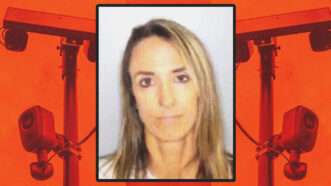
It was Flock that led cops to the wrong woman. It was police who ignored the other evidence and jailed her.
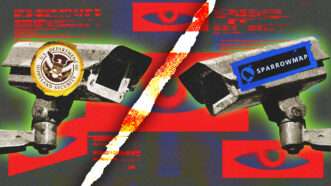
SparrowMap uses volunteer cameras to track the police in the same way police track the public. The government considers it a potential threat.
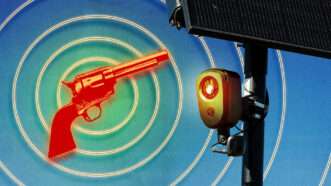
Gun owners should be paying attention to how police use gunfire microphones in conjunction with license plate cameras.

Cops keep carving out tech exceptions to the Fourth Amendment—and courts are giving them their blessing.
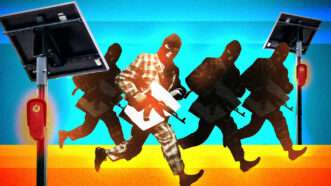
Flock has been promoting a recent study of its cameras' impacts on car theft. But the paper didn't demonstrate a causal effect.
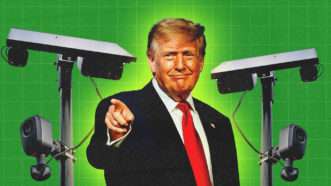
Trump says he supports the cameras simply because law enforcement does, no matter that they can be misused or abused.

Recent comments by Greg Abbott and Ron DeSantis reflect a bipartisan backlash against warrantless surveillance.
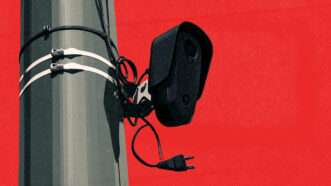
Criticism from Trump allies and recent survey results show that resistance to widespread deployment of automated license plate readers spans the political spectrum.
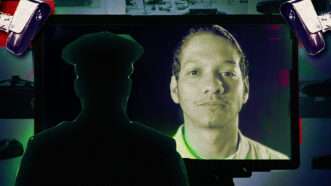
A federal lawsuit claims the Waukesha County Sheriff’s Office used the Flock cameras without a legitimate government purpose and in retaliation against the vet for exercising his First Amendment right.
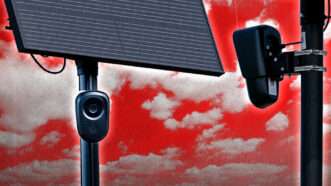
Americans are starting to recognize the dangers of pervasive surveillance by automated license plate readers.

What the simultaneous revolts against Flock and data centers can tell us about the power and risks of populism
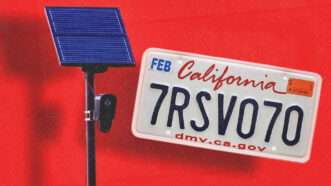
Civil liberties advocates warn that Americans’ privacy and surveillance concerns won’t be solved without strong legal protections.

Florida police departments have been adding drones, facial recognition technology, and license plate readers to their arsenals for years.
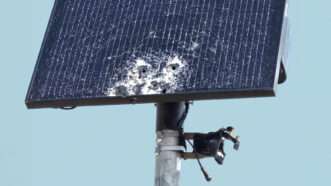
Sometimes direct action is the only way to get politicians to consider civil liberties.

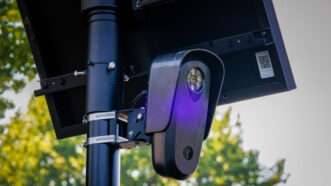
"If there are Flock cameras in your city, they are tracking, logging and sharing your movements without a warrant," warns the ACLU.

The company’s attempts to protect Americans’ privacy “will do nothing to protect innocent people from warrantless mass surveillance,” says an Institute for Justice attorney.

Robby Soave and Christian Britschgi break down the absurd political fights about America’s surveillance state before jumping into House of the Dragon.
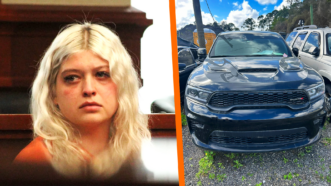
From wrongful arrests to officers stalking exes, license plate cameras keep exposing police failures.

Robby Soave and Amber Duke attack The Free Press' latest attempt to defend Flock cameras.
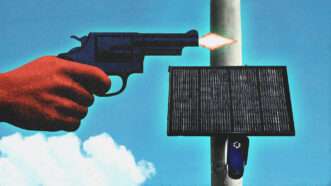
Limited evidence of effectiveness combined with privacy concerns raises questions about the sensors.
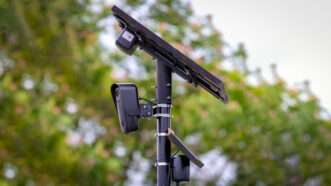
Michael Soyfer, an attorney at the Institute for Justice, calls it “just the tip of the iceberg.”
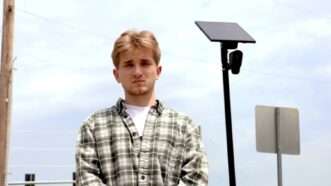
The Kansas Justice Institute argues that Wichita's "warrantless ALPR dragnet surveillance program" violates the state constitution's privacy protections.
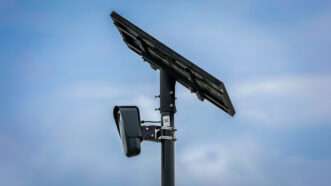
Although Flock Safety’s auditing tools have helped catch the bad actors, more is needed to protect Americans’ privacy.
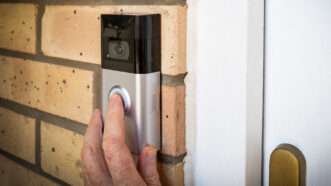
The move is a rare win for privacy, both for users and their neighbors.
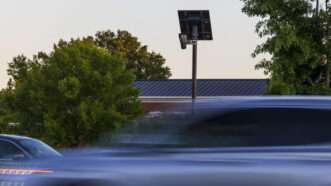
A new campaign pushes back against the widespread use of automatic license plate readers without warrants.
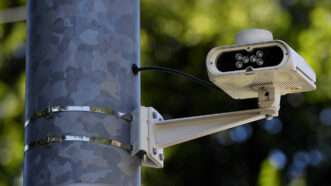
The technology enables routine surveillance that would have troubled the Fourth Amendment’s framers.

Local officials initially were unfazed by complaints that the constant surveillance raised serious privacy concerns.
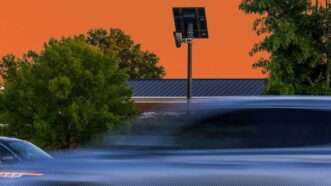
A camera network developed to help find missing cars and persons is now being used for immigration enforcement.
Celebrate your independence with a subscription to Reason magazine, your most trusted source of honest, insightful news and analysis.




