
Trump Bans Canadian Beer, Wine, Motorcycles, and More
The ban was accompanied by a new set of tariffs targeting Canadian motorboats, cheese, and other products in the latest expansion of an absurd trade war.


The ban was accompanied by a new set of tariffs targeting Canadian motorboats, cheese, and other products in the latest expansion of an absurd trade war.

Sonoma County launched the program to find illegal cannabis grows, but it secretly morphed into a wider search for minor building code violations.
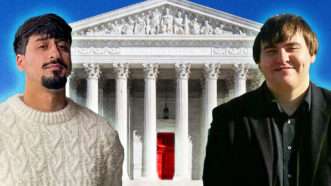
A SCOTUS petition argues that the practice, which allows a judicial finding of dangerousness based on a preponderance of the evidence, violates the Fifth Amendment.
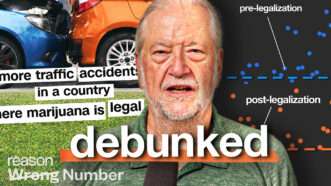
We dissected some of the deeply flawed studies favored by drug warriors.

New research on cannabis use could reshape the debate around marijuana legalization and revive old arguments for restricting legal markets.

In a federal lawsuit, Byron Prophet argues that police supervisors "turned a blind eye" for years as Gerald Goines framed innocent people.
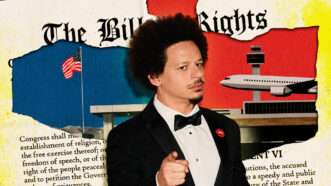
While the settlement is a good thing, it's unfortunately still the case that at airports, the Bill of Rights is more of a list of suggestions.


Abelardo de la Espriella campaigned on shooting down drug planes and boats in Colombia. Twenty-five years of U.S.-funded counternarcotics suggests it won't matter

Jason Silva discusses the promise of AI, the psychedelic renaissance, and the case for embracing technological optimism.
During the last century, the Commerce Clause has replaced the Taxing Clause as an excuse for federal legislation.

Doctors are drug testing pregnant women without their consent, then handing their results over to the state.

As leader of the “Girchi—More Freedom” party, Zurab Japaridze spent 7 months jailed as a political prisoner. He’s prepared to spend much longer there if he has to.
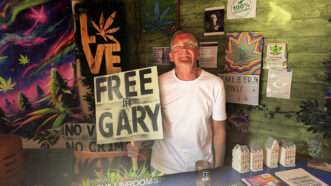
Gary Youds says his cannabis café is “what the future looks like the day after the drug war.”

Operation Southern Spear has struck 67 small fishing boats without denting the fentanyl or cocaine supply.
The Manhattan Institute’s Charles Fain Lehman overstates the evidence supporting that conclusion.
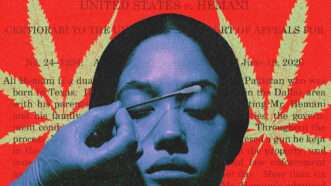
An old drug conviction could still stop you from waxing eyebrows, cutting hair, or giving massages.

Brazil’s gangs show why the “narcoterrorist” label is tempting, misleading, and unlikely to stop drugs.

The United Nations’ latest World Drug Report makes that very clear.

The Manhattan Institute’s Charles Fain Lehman misstates the findings of a new paper to claim he was right all along.

The Pennsylvania senator discusses drugs, the state of the Democratic Party, and his past support for Bernie Sanders.

Cops stopped a semitruck because of a drug tip, then tried to dress the illegal search up as a routine inspection.

Neil Gorsuch proposes an alternative to a Fourth Amendment standard that has proven to be an unreliable safeguard against government snooping.
After upholding the Second Amendment rights of drug users and carry permit holders, the justices will address the constitutionality of "assault weapon" bans.
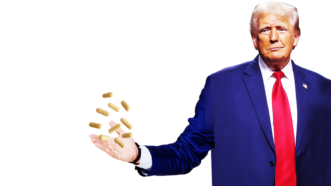
Joe Rogan and military veterans advocating for suicide prevention apparently swayed the president.

First-place wins include work on America's gerontocracy, an interview with anti–death penalty activist Helen Prejean, and some Star Wars comedy.

The officer's avowed reasons for killing Dennis Tuttle and Rhogena Nicholas were contradicted by the physical evidence.
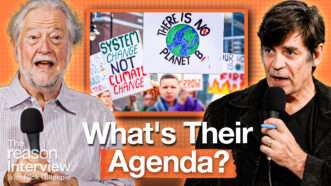
Aaron Brown discusses how research gets distorted, why sensational claims spread so quickly, and how to think more critically about the numbers behind the headlines.

A dispensary owner believes Hawaii’s hemp regulations are unconstitutional. He’s suing to stop their enforcement, but the law may not be on his side.

Rescheduling marijuana will make it easier to study a drug that tens of millions of Americans already use.

The Supreme Court's decision in United States v. Hemani could open the door to relief for cannabis consumers convicted of illegal gun possession.
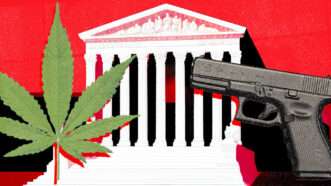
The decision is a modest but welcome step toward rectifying the injustice of criminalizing conduct that violates no one’s rights.
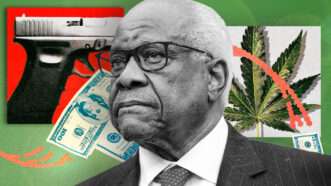
Even under the Supreme Court's highly elastic understanding of that clause, Thomas says, such laws do not qualify as regulation of interstate commerce.
How Trump rebranded the war on drugs as a fight against illegal immigration

The conservative justice continues to wage a lonely legal crusade over the Commerce Clause.
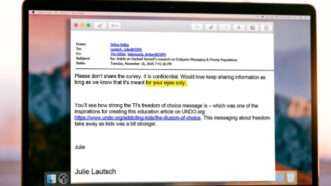
Here are the sketchy tactics California’s public health agency is using to convince towns and cities to ban tobacco sales.
The Supreme Court's unanimous decision in Hemani.
The unanimous decision upholding the gun rights of cannabis consumers is striking given the Supreme Court's long history of accommodating the war on drugs.

A notable 9-0 Second Amendment decision that features three concurring opinions, all of which make good points.

A landmark win for the right to keep and bear arms in United States v. Hemani.
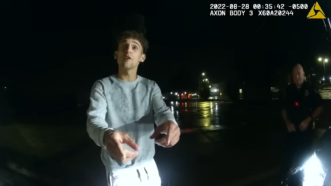
After nearly four years of legal battles, Tayvin Galanakis has finally won his case against the officers who arrested him for allegedly driving while intoxicated without probable cause.
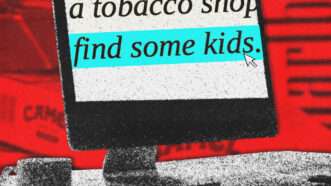
State health officials scouted towns, scripted hearings, recruited teen witnesses, and celebrated each ban as a "win."
Federal prohibition of hemp-derived THC products would destroy a $37.5 billion industry to solve a problem states are already handling.
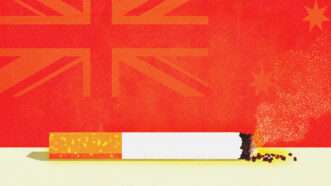
With cigarettes costing around $40 a pack, Australia’s war on smoking has become a case study in how prohibitionist policies create black markets, violence, and criminal power.

But many older enhanced athletes did achieve better results than their younger selves.

After nine months of murdering suspected cocaine smugglers, the Trump administration has no evidence that the strategy is working as advertised.

Alvin Roth, Nobel Memorial Prize–winning economist, wants us to think more about how controversial freedoms can become commonplace.
Celebrate your independence with a subscription to Reason magazine, your most trusted source of honest, insightful news and analysis.




