England


Photos Show the Transformation of Great Britain
A new exhibit at the National Gallery of Art displays how the U.K. changed in the 1970s and '80s.
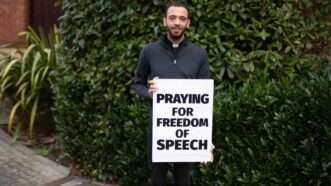
In Britain, You Can Be Arrested for Silently Praying Outside an Abortion Clinic
"I pray wherever I go, inside my head, for the people around me," said one priest. "How can it be a crime for a priest to pray?"

No, the World Is Not Heading Toward 'Mass Extinction'
Despite an apocalyptic media narrative, the modern era has brought much longer lives and the greatest decline in poverty ever.

Britain Wants To Jail Social Media Managers Who Don't Censor to the Government's Liking
Tech firm operators may face criminal charges if children who use their platforms encounter too much “harmful content.”

U.K.'s Awful Internet Bill Becomes a Bit Less Hostile to Free Speech
At a dangerous moment for the free exchange of ideas, civil libertarians can tally a win.


China's Lockdown Protests Show Why You Shouldn't Let Government Weaken Encryption, Anonymity
Too many Western governments want to follow in the footsteps of authoritarians when it comes to tech privacy.


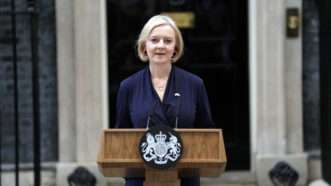
Liz Truss Resigns as British Prime Minister
After just six weeks in office, the embattled Conservative leader is out.
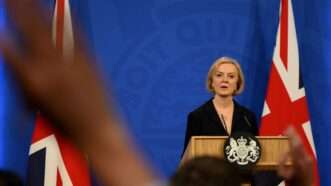
Liz Truss Is Flailing, Politically and Economically
The British Conservative Party can’t figure out what it wants.

The Woman King Rewrites History for a Feminist Twist on the Slave Trade
Hollywood often takes liberties. But there's a distinction to be made between poetic license and historical revisionism.
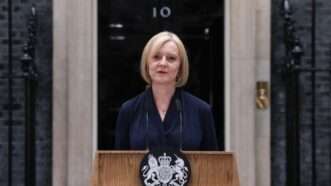
U.K.'s New Prime Minister Targets Country's Aggressive Food Nannies
Liz Truss seeks to possibly end ill-advised bans on advertising and special deals on foods experts deem “unhealthy.”
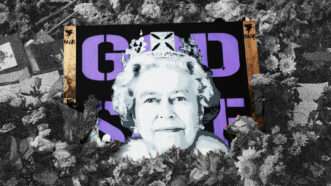
The Queen Is Dead. Anarchy in the U.K.?
Plus: The editors respond to a question about the Forward Party.
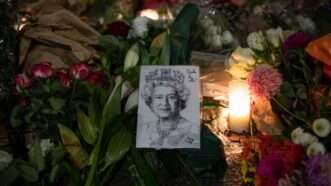
Maybe a Ceremonial Monarchy Can Show the Way to a Less Powerful State
The real danger to citizens is the use of coercive government power, no matter how it’s named.

U.K.'s Online Censorship Bill Causes Far More Harm Than It Attempts To Prevent
The innocuously-titled Online Safety Bill threatens citizens' rights to privacy and to speak freely.






Social Media Isn't To Blame for the Deadly Stabbing of a British Member of Parliament
Attempts by British lawmakers to erase online anonymity would lead to radical speech being pushed underground.


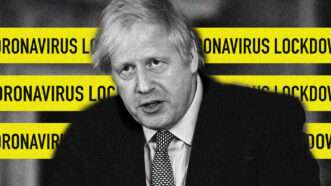
The UK Beat COVID-19, But Can It Beat Lockdowns?
Even with coronavirus deaths at a trickle, Prime Minister Boris Johnson won’t rule out more lockdowns.