
The 3rd Circuit Upholds the Gun Rights of a Man Who Committed a Nonviolent Misdemeanor 2 Decades Ago
The appeals court said it was unconstitutional to permanently disarm Edward Williams based on a 2005 DUI conviction.

The appeals court said it was unconstitutional to permanently disarm Edward Williams based on a 2005 DUI conviction.


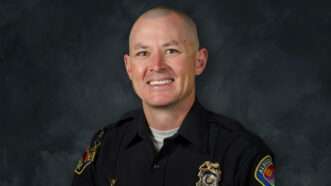
A recent guilty plea reveals a new wrinkle in a long-running corruption scheme that involved bribing police officers to make drunk driving cases disappear.
Presidents, legislators, and police officers were desperate to blame anyone but themselves.
A guilty plea by a retired Albuquerque officer who served in law enforcement for more than 30 years illustrates the extent of the biggest police scandal in the state's history.


"This is a gut punch," says Bernalillo County Sheriff John Allen. "This is a kick to my balls and two black eyes, to be honest with you."

New Mexico State Police Sgt. Toby LaFave, "the face of DWI enforcement," has been implicated in a corruption scandal that goes back decades and involves "many officers."

A driver who was acquitted of drunk driving joins a class action lawsuit provoked by a bribery scheme that went undetected for decades.

In the latest guilty plea, a local defense attorney says he had been bribing cops to make DWI cases disappear "since at least the late 1990s."

For a decade and a half, officers made DWI cases go away in exchange for bribes, relying on protection from senior officers implicated in the same racket.
Federal prosecutors say the city's police department was the main focus of a 15-year bribery scheme that also involved the sheriff's office and the state police.


Utah’s experiment with stricter drunk driving laws has led to more fatalities, not fewer. The push for lower BAC limits is missing the real problem.

If you want to drink alcohol in California after 2 a.m., it helps to be the billionaire owner of the L.A. Clippers.


In 2022, police received a tip that officers were getting paid to make DWI cases disappear—the same allegation that prompted FBI raids in January.
"There is a much bigger story here," the officer's lawyer says. "It goes outward and upward."
Albuquerque Police Chief Harold Medina, who promised to "get to the bottom of this," is himself the subject of an internal investigation after broadsiding a car last month.
The scandal has resulted in the dismissal of some 200 DWI cases, an internal probe, and an FBI investigation.

Government is "promoting bad behavior," says Sen. Rand Paul. He's right.


The good news: Regulators have exercised unusual restraint.


Plus: Twitter whistleblower reports, court says FDA must reconsider vaping products, and more...

Many states allowed restaurants to sell to-go cocktails during COVID-19. Research shows that change is not linked to an increase in drunk driving deaths.
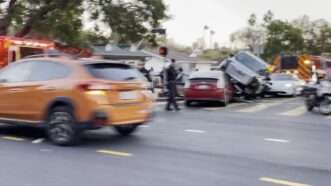
Politicians overstate the situation, and to the extent there is a problem, it’s their doing.

Get ready to pay for new nanny-state technology and for bypassing the unwelcome intervention.


As early as 2026, new cars will have to come equipped with "advanced drunk and impaired driving prevention technology."

Plus: Americans evenly split on immigration, bill moves to stop EPA raids of auto shops, and more...
Adding to the puzzle, another study from the same organization found "no increased crash risk" associated with cannabis consumption.


District Attorney George Brauchler: "Bottom line is if one of us had been in that car and not officer Nate Meier, you ask me if I think it would have been treated differently, I do."

The chief weighs in: "Poor choices were made on Christmas night."

Brian Kolb was arrested on New Year's Eve for driving under the influence.

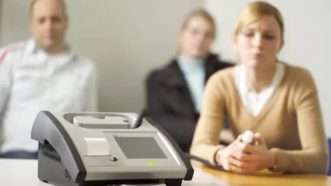
Even when a technology is valid in theory, haphazard methods can lead to wrongful convictions.


SCOTUS says it is constitutional for police to draw blood from unconscious drunk driving suspects.


New from Reason: a look into what Javier Milei has accomplished and what it will take to make the most of Argentina’s window for real change. Out now for subscribers.

