
Other Courts Should Heed a Federal Judge's Warning About Flock-Enabled Mass Surveillance
Car-tracking cameras, like cellphones, generate vast amounts of sensitive data.

Car-tracking cameras, like cellphones, generate vast amounts of sensitive data.
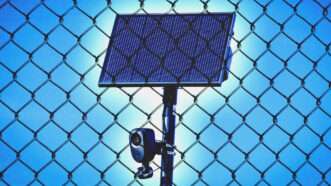
Elgin Community College even tied garbage bags over the cameras, but Flock technicians just cut them down.
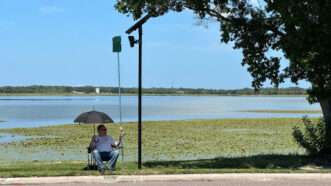
"I'm not a lawbreaker," the Florida man known as the "flock blocker" told local media.
In a Fifth Circuit case (which the court just declined to rehear en banc), a woman had faced potential prosecution for publishing a photo of a transgender politician washing hands in a women's restroom.
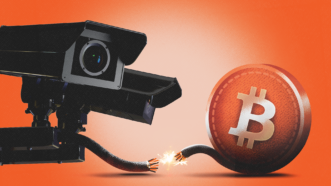
It’s a small victory for financial privacy against escalating surveillance.

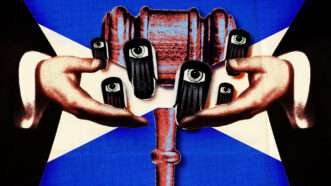
The automated license plate reader system is “a type of indiscriminate mass surveillance," says a federal judge.
A judge blocked a rule that would have required adult sites to block VPNs or age-check the world.

The SEC should not keep a searchable record of Americans’ lawful trades, much less make them pay for it.
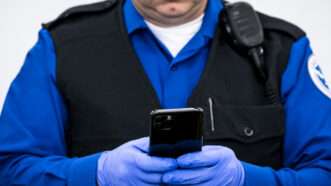
A former assistant state attorney and an immigrant rights activist both had their phones seized, despite having attorney-client privilege. They're suing to protect their data.

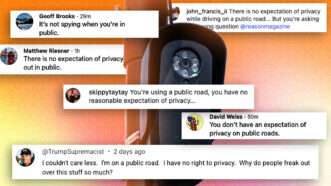
Defenders of Flock-style surveillance systems argue that people “have no reasonable expectation of privacy in public.” They're wrong.
Tech CEO who sued over the publication had to pay about $400K in defendants' attorney fees as a result of the trial court's throwing out the lawsuit, and the Court of Appeal just affirmed the decision.

That means his ex-wife can talk about it on a podcast if she wants to. But you probably shouldn’t follow suit.

The city's ordinance targets price gouging that its own evidence doesn't show—and it could kill discounts that save shoppers money.
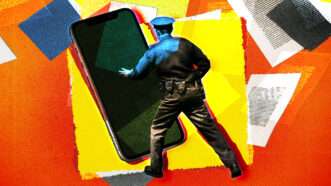
Federal appeals courts differ on whether the Fourth Amendment protects your cellphone at the border. A Texas lawyer is asking the Supreme Court to settle it.
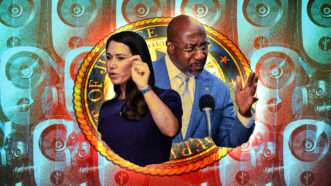
Sens. Raphael Warnock and Katie Britt would seem to have little in common, but they both feel people should have more protection from bad cops with surveillance tech.

The rationale for AI facial scanning—to prevent bad actors from following students into buildings—makes little sense.
An "endarkened feminist approach to revolutionizing teacher consciousness" is alleged to be unprivacied as well.
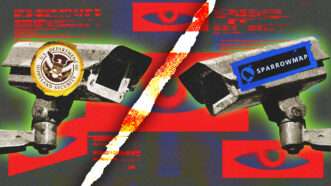
SparrowMap uses volunteer cameras to track the police in the same way police track the public. The government considers it a potential threat.
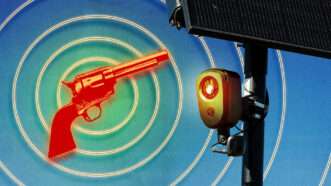
Gun owners should be paying attention to how police use gunfire microphones in conjunction with license plate cameras.
Cops keep carving out tech exceptions to the Fourth Amendment—and courts are giving them their blessing.
Flock has been promoting a recent study of its cameras' impacts on car theft. But the paper didn't demonstrate a causal effect.
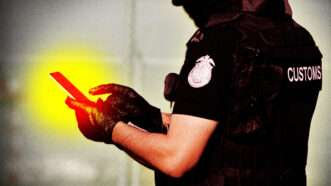
A federal appeals court says it's legal for federal agents to scroll through your phone and take pictures of its contents without a warrant or suspicion of criminal activity.
Because her comments came in describing her marriage and her divorce, she "was discussing her life, not Matt's, and the law generally protects a person's speech about herself, even though such speech inevitably reveals details about others."
thus deepening a circuit split. (Note that strip searches are generally allowed when and if the arrestee is placed in the general population of the jail.)
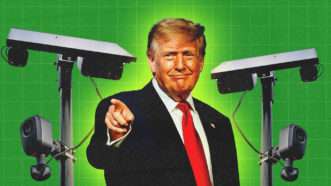
Trump says he supports the cameras simply because law enforcement does, no matter that they can be misused or abused.
New cars in the E.U. must now have cameras that track drivers' eyes and flag distractions.

Recent comments by Greg Abbott and Ron DeSantis reflect a bipartisan backlash against warrantless surveillance.
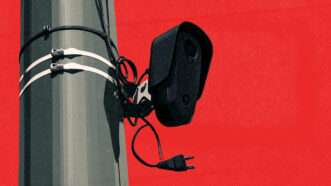
Criticism from Trump allies and recent survey results show that resistance to widespread deployment of automated license plate readers spans the political spectrum.
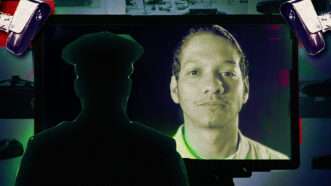
A federal lawsuit claims the Waukesha County Sheriff’s Office used the Flock cameras without a legitimate government purpose and in retaliation against the vet for exercising his First Amendment right.
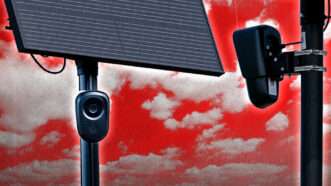
Americans are starting to recognize the dangers of pervasive surveillance by automated license plate readers.
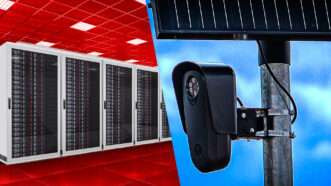
What the simultaneous revolts against Flock and data centers can tell us about the power and risks of populism
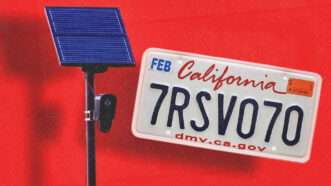
Civil liberties advocates warn that Americans’ privacy and surveillance concerns won’t be solved without strong legal protections.

Florida police departments have been adding drones, facial recognition technology, and license plate readers to their arsenals for years.
Benn Jordan wants the snoopers to be “a little unsettled.”
The U.S. government responded in ways that are so integrated into daily life that we no longer recognize them.

CBP claims dictatorial powers over Americans coming home. A big part of that is hiding information.

How many warrantless cellphone searches does it take to change border policy?

The company’s attempts to protect Americans’ privacy “will do nothing to protect innocent people from warrantless mass surveillance,” says an Institute for Justice attorney.
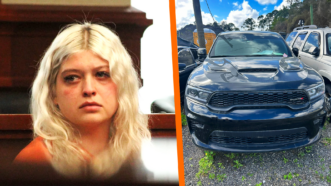
From wrongful arrests to officers stalking exes, license plate cameras keep exposing police failures.
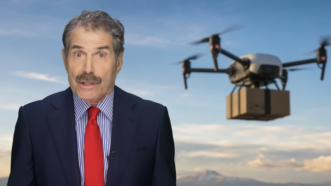
To fly a drone out of sight, you must get airline-level certification, which requires a lengthy approval process from the Federal Aviation Administration.

The Senate Commerce committee advanced four bills related to online and AI safety in the name of protecting children.
Dissent: "We judges can write all we want, but this public voted with its eyeballs."

Limited evidence of effectiveness combined with privacy concerns raises questions about the sensors.
"Suing individuals because they have a homeowner's insurance policy or are collectible defendants is not a proper purpose for a lawsuit."

The judge concluded that a high school student's privacy interests trumped freedom of the press.
Celebrate your independence with a subscription to Reason magazine, your most trusted source of honest, insightful news and analysis.




