
A Tennessee Man Jailed for 37 Days Because of an Anti-Trump Meme Will Get $835,000 for His Trouble
Perry County Sheriff Nick Weems preposterously claimed that Larry Bushart had threatened "mass violence" at a school.


Perry County Sheriff Nick Weems preposterously claimed that Larry Bushart had threatened "mass violence" at a school.

Too many courts ignore the Eighth Amendment’s ban on excessive fines.

That defense applies only when an officer "reasonably" believed he was acting within his federal authority.

The family is suing the federal agency and their local police department for violating their Fourth Amendment rights.

Most federal appeals courts have recognized the right to record police. DHS employees nevertheless seem to view it as a crime.
The conventional view in American criminal justice is that the victim's representative should be able to assert rights on behalf of the deceased victim in a homicide case--a view that Professor Peter Reilly and I defend in a new law review article.
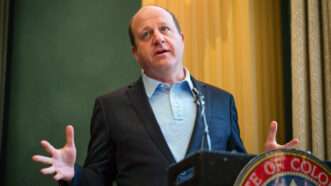
Colorado's governor agreed with a state appeals court that the former Mesa County clerk had been punished for her wacky beliefs about the 2020 election as well as her illegal conduct.

California has failed to protect private property from squatters. Desperate owners are turning to katana-wielding enforcers to reclaim their homes.


The mother is suing after she delivered her preterm baby on the jail's floor following 24 hours of labor with no medical assistance.
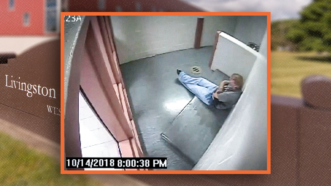
A court granted qualified immunity to all 11 deputies accused of violating John Griswold’s 14th Amendment rights.

Nominees include stories on America's gerontocracy, the war on chocolate, how Texas beat California on housing, and more.

The civil liberties group, which long maintained that there is no constitutional right to arms, sang a different tune at the Supreme Court this year.
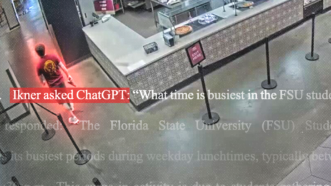
A new lawsuit claims that ChatGPT gave the shooter information about busy times on campus and how to use guns.


"I didn't do anything wrong," George Retes, a U.S. citizen imprisoned for three days, tells Reason.

The agency's transparency policies may undermine federal and state laws designed to ensure the free flow of information necessary to hold government actors accountable.
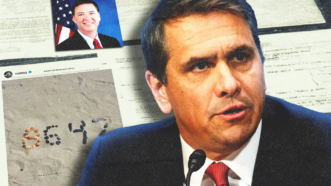
Acting Attorney General Todd Blanche implausibly claims prosecutors can prove Comey "knowingly and willfully" threatened to murder the president.

The president is not shy about using government power to punish people for saying things that offend him.

The case defies more than half a century of rulings on the “true threat” exception to the First Amendment.
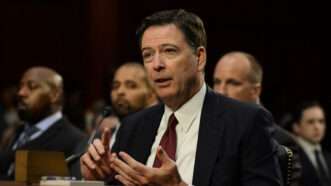
Such claims are hard for most defendants to prove. But most defendants haven't drawn the public ire of the president.

Making less harmful products harder to get pushes people toward more dangerous ones.


"Geofence" searches illustrate the perilous combination of modern technology and deference to law enforcement.
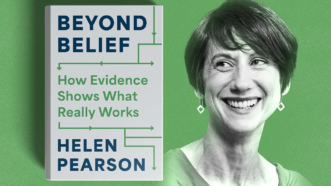
Beyond Belief explains how the "evidence revolution" is helping practitioners, policymakers, and the public understand what really works.

Federal law defines the term but there is no federal statute to charge someone with "domestic terrorism."

Even Republican critics of the Federal Reserve chairman's performance rejected the notion that he had broken the law by lying about the renovation of the central bank's headquarters.

Calls for more aggressive security measures evoke the post-9/11 security theater that brought us the TSA.

Bothell police set out in search of sex trafficking and ended up shutting down five businesses for code violations.

Gunman subdued at security checkpoint.
The bureau reportedly investigated the author of a New York Times story that made FBI Director Kash Patel look bad.
So the Ninth Circuit held yesterday.

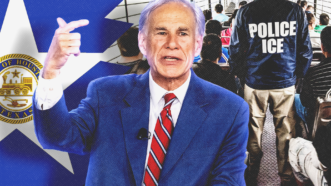
The governor is threatening to defund the police because of an ordinance noting that an ICE administrative warrant "does not justify a stop, arrest, or continued detention" by city officers.
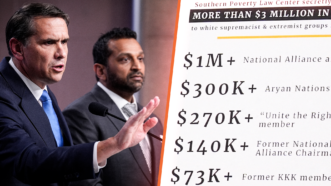
"The SPLC is manufacturing racism to justify its existence," said acting Attorney General Todd Blanche.
Economist Jennifer Doleac discusses why long sentences don’t reduce crime, how first-time defendants benefit from leniency, and why clearance rates are key to crime reduction.
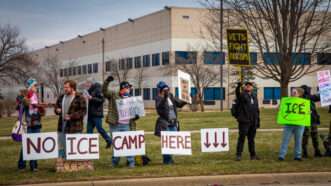
The government is selling the policy with the same arguments you’d expect for subsidized factories or sports stadiums.
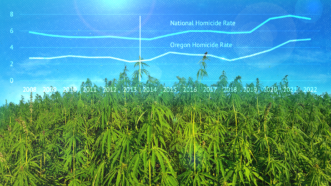
From higher crime to teenage stoners, here are things that the weed debate got wrong.
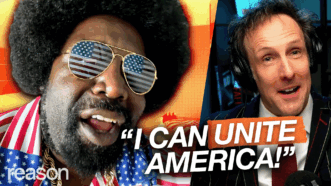
Afroman discusses his free speech court victory, why he thinks he could unite America, and whether he feels pressure to always be high.

The court ruled that police can demand a physical ID under the state's stop-and-identify law.
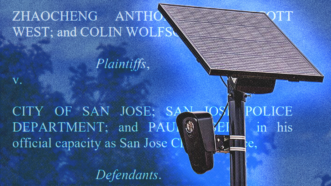
The city has created a network of nearly 500 cameras that routinely monitor innocent people as they go about their daily lives.
The judge felt there was probable cause for an arrest but he declined to go so far as to convict.
Celebrate your independence with a subscription to Reason magazine, your most trusted source of honest, insightful news and analysis.




