
Senate Reaches Bipartisan Deal to Keep the Government Open By Spending More Money On Everything
Both parties agree on more spending and bigger deficits.

Both parties agree on more spending and bigger deficits.
The feds can't pass a budget or do much very well, yet a record level of Americans want it more involved in our lives. That's not as crazy as it seems.
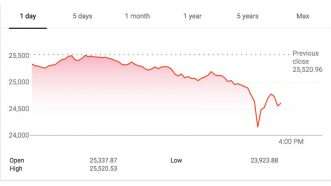
Markets respond to politics, but presidents shouldn't claim control.
Reason editors debate The Memo, situational libertarianism, Super Bowl highlights, and the political road back to fiscal sanity.
Abraham Lincoln couldn't have dreamed that 21st-century Americans would still be paying for pensions created under him.

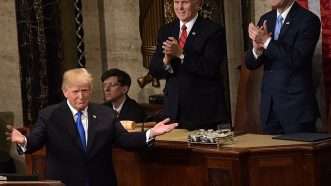
If a Republican president can't address a Republican-controlled Congress without paying lip service to the idea of cutting spending, what good are Republicans?

The U.S. used to come in second or third in rankings, but according to the latest Human Freedom Index it's at 17.
Some of Trump's economic policies could be good for everyone, including African Americans. But those numbers aren't his doing.
When anyone says, "I'm for free trade, but it must be fair trade," they are really saying: "I am not for free trade."
Will the economic and social benefits of the solar panel tariffs outweigh their costs? Not likely.
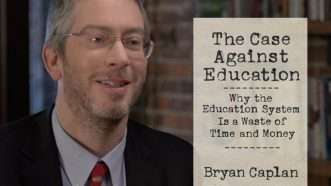
"If all we're trying to do is prepare people for a job, why not prepare them with a job?"

Probing uncomfortable gender and generational splits on the latest Reason podcast.
Companies are paying bonuses, raising wages, and committing to major new investments. Is this a sign of the tax law's success-or just clever corporate PR?

Anyone who studies economics instead of partisan talking points, for one.
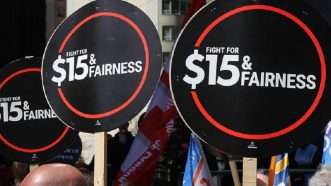
Hiking the minimum wage is feel-good humanitarian idea that's guaranteed to hurt actual humans.

If Congress doesn't address its insolvency issues, payouts will need to be slashed by a quarter starting in fewer than 20 years.
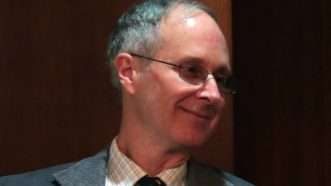
Arizona Rep. Bob Thorpe's bill is nakedly unconstituional
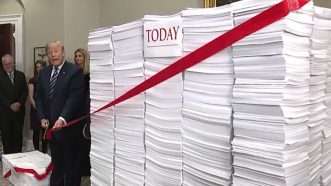
Economy advances while administrative state recedes; lefty commentators hardest hit.
Appeals to what 'economists say' is used to coat liberal policy positions with a veneer of scientific certitude.

A backwards, protectionist law mandating an obsolete job has been only slightly relaxed.
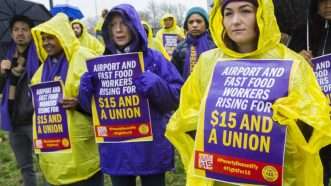
A loss of opportunities equal to about four percent of the workforce.
Republicans will regret this the next time a budget-busting Democratic proposal comes along.
Mainstream economists were trained to believe that currencies need to be managed by central banks. So this new form of money is...hard to grasp.
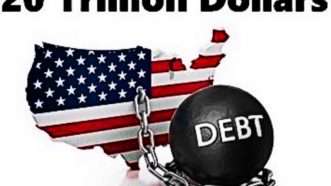
Fiscal hawks, from their perch in the wilderness, predict we may again see 13-digit deficits as soon as next year


Joseph Stiglitz is the George Costanza of economists: Every instinct he has, do the opposite.
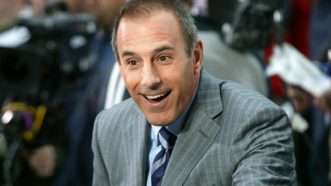
Elizabeth Nolan Brown argues in The New York Times that we can thank "feminism, but also free markets" for the ongoing purge of predatory men.

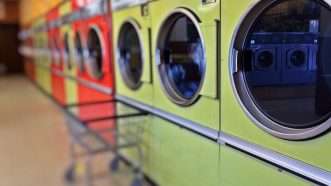
The International Trade Commission recommends the president impose hefty tariffs on washing machines.

Private property became the foundation for building the most prosperous nation in the history of the world.

Libertarian Republican congressman admits that an already-worrisome debt will increase, and that the Senate may well disregard the House's framework, but "just because my colleagues don't believe that we have to cut spending doesn't mean I can't vote to cut taxes"

Is the state violating Peggy Fontenot's First-Amendment rights?
Nick Gillespie and Katherine Mangu-Ward make the case for "free minds and free markets" as the best way to improve the world.
New Soho Forum debate will be streamed on Facebook Live. Viewers can ask questions, vote on winner!
Senate version shies away from mortgage-interest cap, which will likely make fiscal hawks even more anxious.
Our first president might be shocked at the regulatory machinery imposed on distillers.
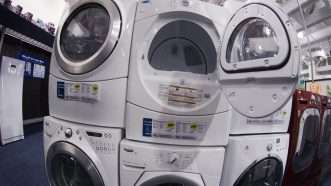
Protectionist measures hurt American workers and consumers.
Reason's Nick Gillespie talks to libertarian economist Gene Epstein about Trump, free trade, and his monthly debates at the Soho Forum.
The U.S. may have won the cold war, but the ideological struggle never ended.
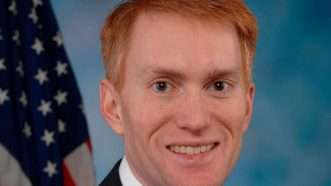
James Lankford's "I am a no" makes at least three GOP senators who worry that the debt/deficit math doesn't add up
Celebrate your independence with a subscription to Reason magazine, your most trusted source of honest, insightful news and analysis.




