
The Bond Market Doesn't Trust the Treasury
To judge from rising 10-year interest rates, the bond market doesn't seem to expect Trump to bring inflation or spending under control.

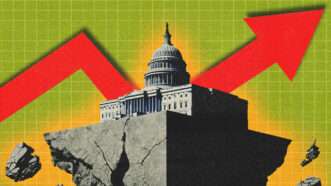
To judge from rising 10-year interest rates, the bond market doesn't seem to expect Trump to bring inflation or spending under control.
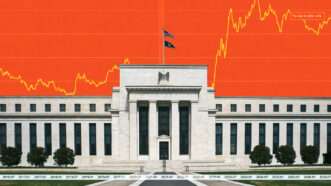
Lawmakers have to show they'll back the national debt with future fiscal surpluses, which means reining in government spending.
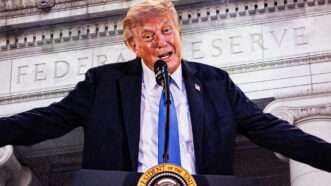
Plus: Rent freeze setback, AI misalignment, Bolshevik ridiculousness, and more...

The Congressional Budget Office says the inflationary consequences of the war will be felt well into 2027.
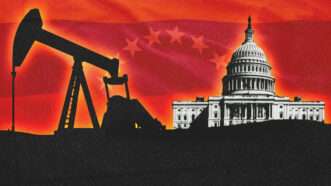
Trump put Venezuelan revenues in a secretive bank account overseen by the U.S. government. It's a display of the Treasury's unaccountable power.
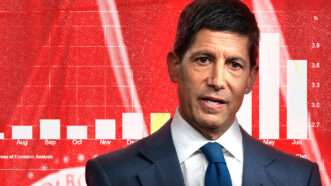
The 30-year U.S. Treasury bond just hit its highest yield level since 2007.

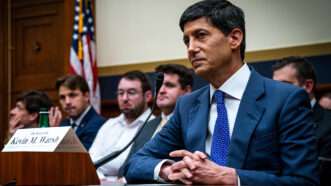
Plus: City Without Children, Reihan Salam victorious, Kevin Warsh's new strategy, and more...
Plus: More strikes on Iran, Nayib Bukele runs for a third consecutive term, private dinosaur-bone ownership, and more...

The Federal Reserve reports that small businesses were less likely to be able to avoid tariff costs during 2025 and are more pessimistic about employment and revenue in 2026.
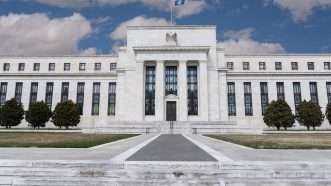
Tensions between today's two major presidential removal power decisions.
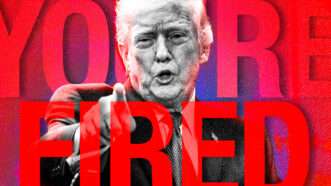
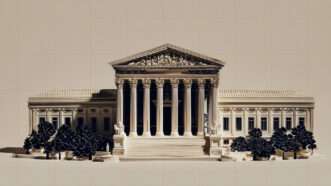
In a pair of decisions on Monday, the Supreme Court ruled that presidents have full authority to fire heads of executive branch agencies—but that the Fed is different.
As expected, the Supreme Court overturns Humphrey's Executor, but reaffirms the independence of the Federal Reserve.
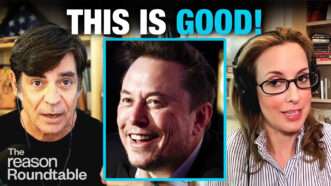
Plus: the Supreme Court's biggest pending decisions, renewed court-packing debates, and the economic fallout from the Iran war
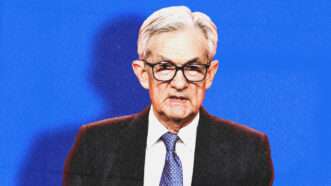
Even Republican critics of the Federal Reserve chairman's performance rejected the notion that he had broken the law by lying about the renovation of the central bank's headquarters.

New study finds that tariffs were responsible for the "entirety of the excess inflation in the core goods category."
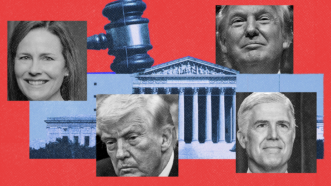
The president says federal courts should not make decisions based on partisan considerations unless it benefits him.
Inflation is a silent tax—and the most painful way to finance government promises.
Plus: a partial shutdown over ICE funding, Kevin Warsh to lead the Fed, and Moltbook’s AI society
The new producer price index report complicates the administration's push for lower interest rates.
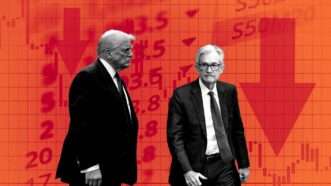
Plus: Shutdown averted? Pixar's NIMBY robot beavers, Amazon goes big on AI, and Trump wants to prop up home prices.
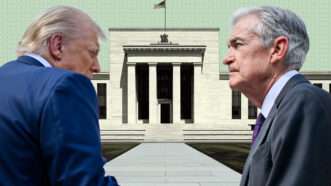
Trump’s legal arguments “would weaken, if not shatter, the independence of the Federal Reserve,” the justice said.
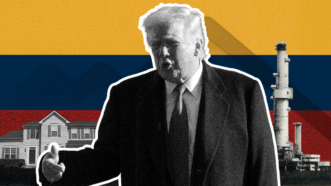
From defense contracting and mortgage finance to credit, housing, and monetary policy, Trump is leaning heavily on command-and-control economics.

Plus: Border Patrol's recruitment problems, social media getting boring, RFK Jr. goes after food stamps, and more...
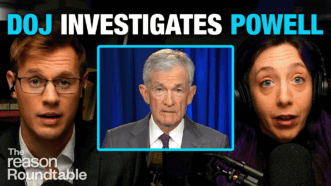
Plus: ICE shootings divide the country, the Iran uprising intensifies, and California targets billionaires with a wealth tax
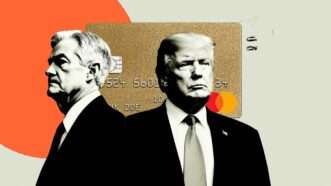
No one likes high interest rates on credit cards and loans, but artificially lowering interest rates via executive power is not a solution.

Plus: Wealth tax barely understood by its proponents, Jerome Powell investigated, why sobriety sucks, and more...
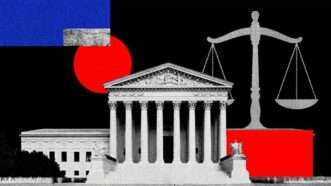
The Supreme Court’s January docket is packed with big cases.
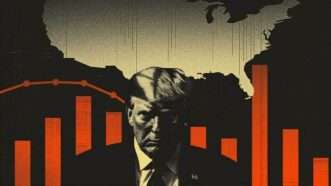
If interest rates stop being market signals and become policy decisions, what survives may look less like capitalism—and more like permanent crisis management.
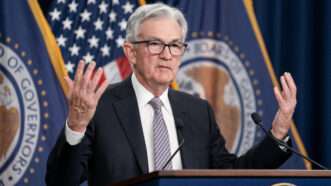
Plus: Cocaine and mustard gas, U.S. seizes oil tanker, billionaires in the White House, and more...
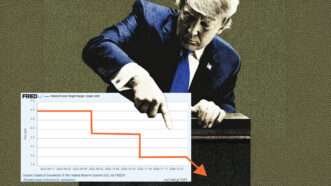
The Federal Open Market Committee lowered the federal funds rate for the third meeting in a row despite elevated inflation.
Plus: "Freeze the rent" hypocrisy, B-52s near Caracas, the Armani class votes Mamdani, and more...

By installing Stephen Miran and eyeing more allies, Trump is positioning the central bank for aggressive rate cuts and a sharp break from its tradition of independence.
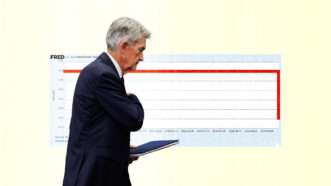
When the Federal Reserve is concerned about inflation, it increases the federal funds rate. Despite expressing such concerns, the Fed lowered it.
Plus: Pam Bondi flunks free speech 101.

"The Federal Reserve is a uniquely structured, quasi-private entity," the Supreme Court wrote in a ruling this year.

Plus: Beachy vignettes, Smithsonian scrutiny, Gavin Newsom might not be the Democrats' great new hope, and more...
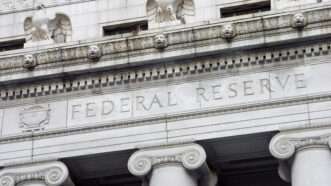
The president's clear attempt to interfere in the Federal Reserve is not a one-off crisis.
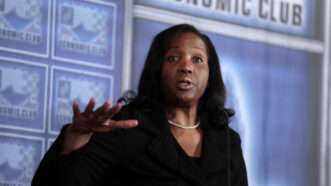
Trump is attempting to fire a Federal Reserve board governor.

Or will the justices say that Trump fired her for illegal reasons?
Plus: What the new E.U. trade deal means for tariffs and prices, a listener question about Rahm Emanuel’s presidential appeal, and the FBI raids John Bolton’s home.
Plus: Federal bureaucracy gets a redesign, Robert Moses messing things up (still), Syrian immigrant unemployment data, and more...

Plus: Elites in the media, revoking security clearances, car prices going up, and more...
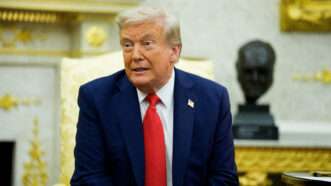
The president’s $300 billion tariff rebate plan risks replaying Bush-era giveaways—but on a scale large enough to fuel inflation and deepen the deficit.
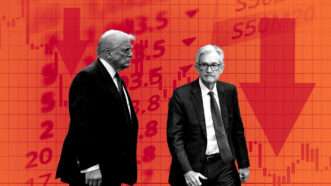
The Fed should be replaced by free markets, not unbridled presidential power.
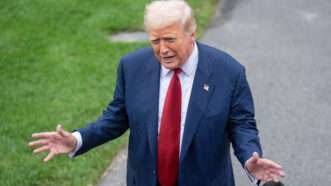
The Bureau of Labor Statistics, the CBO, and the Fed are far from perfect. But the U.S. needs a statistical system that is modern, agile, and protected from political interference.
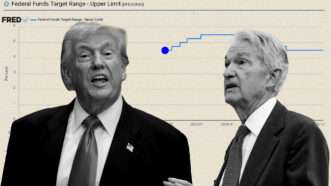
Maintaining the elevated federal funds rate makes borrowing more expensive, but the alternative is artificially cheap money, malinvestment, and inflation.
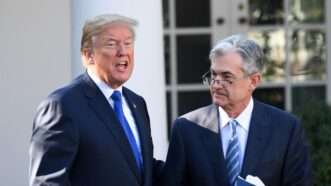
The executive branch wants to use the Federal Reserve as a tool to accommodate the government's frenzy of reckless borrowing.

Plus: Teachers union thinks your kids belong to them, more Jerome Powell antagonism, and more...
Celebrate your independence with a subscription to Reason magazine, your most trusted source of honest, insightful news and analysis.




