
California Looking to Give Unions Private Workers' Phone Numbers, Addresses
Legislature aiming at a scary precedent.


Legislature aiming at a scary precedent.

On the pretext of texting safety, they want to give cops free rein to suspend licenses and fine drivers without charges or conviction.

Film favors martyrdom over careful analysis.

Some legislators want more privacy protections from unwarranted snooping of U.S. citizens.
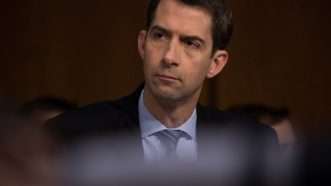
Trump and group of GOP senators don't want us to have greater privacy protections from unwarranted domestic surveillance.
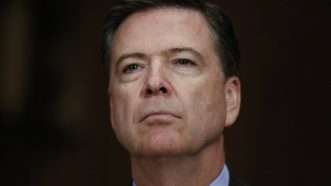
Comey stood up to the Bush administration over illegal snooping, but as FBI director he defended surveillance.
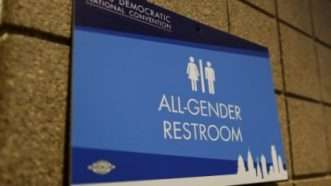
Trio of judges reject request by school district to put ban back in place.

Welcome to the club! Now let us tell you how to fix it.

City tax collector wants to post home addresses of drivers online.
More than 150 million phone call records of Americans were collected in 2016.
No more gathering communications from Americans that were 'about' a foreign target.

Country requires companies to collect and store mass amounts of citizen metadata. Abuses are inevitable.

Porn performers are accusing Rashida Jones and other Hot Girls Wanted: Turned On producers of a host of unethical and exploitative practices.
This week in 'Privacy for me but not for thee.'
Have a friend visiting from another country? DHS wants to know your connections.
If Susan Rice's request to unmask Americans' names was legal, should the rules be changed?

A wave of new technologies is making it easier for us all to flip the bird to regulators and prohibitionists.
The agency says "all approved procedures were followed."
Attorney General Xavier Becerra uses privacy as a pretext for a political vendetta against critics of Planned Parenthood.

The British government uses its own intel failures to demand weakening of encryption.

All sorts of normal behavior are now triggering financial surveillance as banks try to comply with confused government policies on human trafficking.

Listen to our panel at this year's festival in Austin, Texas.
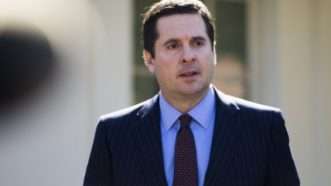
Privacy concerns that are worth debating get sucked into White House fight.
The SCOTUS nominee talks unenumerated rights.

Vault 7 serves as another reminder of the inherent folly in building government-mandated backdoors into secure systems.

A subpoena calls for copies of all Backpage ads posted over several years, all billing records, and the identities of all of the website's users.

Is it about privacy or about government censorship? Maybe that's a false choice.

Surveillance, data collection and biometrics all topic of debate.
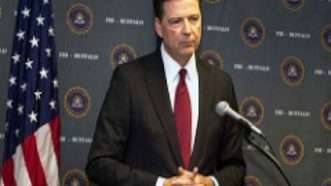
Government can "invade our private spaces" if it has a "good reason."

Agency hoards infiltration tools and puts our information at risk of exposure.
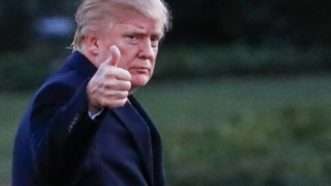
Fight over government control ignores issue of snooping on all the rest of us.
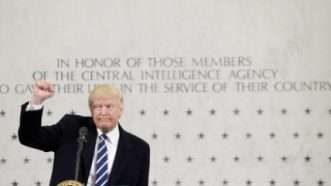
White House does not want federal surveillance authorities reformed.

Court decisions have decimated Fourth Amendment protections for people on the edges of the country.

New technologies help create a sense of personal privacy in public.

The Snooper's Charter becomes law, allowing even more domestic surveillance.

The 'Email Privacy Act' is back, but the Senate is still a barrier.


Working on even stronger tech to protect from snooping.

Cryptocurrency startup Coinbase has been scrupulously compliant with government demands, until the IRS asked for millions of innocent customers' records.

Sen. Rand Paul the sole GOP opposition.
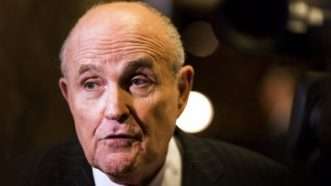
He talks about data protection, but does he understand it at all?
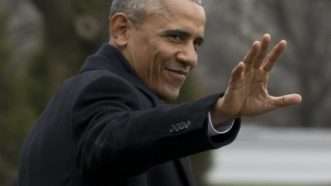
More federal employees will have access to raw intel data gathered without warrants.

Say goodbye to 2016. But don't let your guard down.

License plate readers, facial recognition software, and registration suspensions-a dangerous combination.
A battle over license-plate readers is brewing in Virginia.
The decision is a welcome departure from a tendency to sacrifice privacy on the altar of a drug-free society.

A call for strong data protection even in the face of law enforcement demands.

No matter what faceless spooks assure us, it's far from clear the Russian government directed the leaks of the DNC or John Podesta emails.
Celebrate your independence with a subscription to Reason magazine, your most trusted source of honest, insightful news and analysis.




