
Stefan Sagmeister: An Artist Who Believes 'Now Is Better'
The legendary graphic designer juxtaposes 18th- and 19th-century paintings with visualizations of how much life has improved over the centuries.

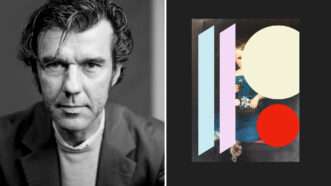
The legendary graphic designer juxtaposes 18th- and 19th-century paintings with visualizations of how much life has improved over the centuries.
The co-creator of Skype says yes. The George Mason University economist says no.
"The greatest thing that ever happened to me was to be born in a free country of modest means and to have opportunities," says the Nobel Prize–winning economist.
From Russiagate to COVID discourse, elites in government and the media are trying to control and centralize free speech and open inquiry.
A decade ago, online startups seemed poised to vanquish legacy media. That didn't happen.
The Capitalist Punishment author explains his America First 2.0 agenda, how to fix America's identity crisis, and why he no longer calls himself a libertarian.
The George Washington University historian argues that the group's paranoid mindset and obsessions are front and center in the modern GOP.
The authors of Mediocrity say it's well past time to end "factory schooling" and set kids free to learn.
"Christian libertarians" Bayard Rustin and David Dellinger challenged state power and ended up leading the civil rights movement and anti-Vietnam War protests.
Overall human freedom peaked in 2007, according to the Cato Institute, and governments' COVID response merely exacerbated the trend toward a radically less-free planet.
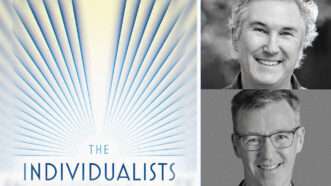
The authors of The Individualists talk Rand, Friedman, Hayek, Rothbard, and the "struggle for the soul" of the libertarian movement.
The bipartisan RESTRICT Act is an infringement on a host of civil and economic rights that will strangle free speech and cryptocurrencies.
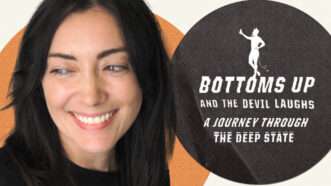
The Bottoms Up and the Devil Laughs author and former Reason staffer reports back from post-privacy America.

Q&A about the future of drug policy, drug use, and drug culture.
The economic historian and Magatte Wade, Alex Gladstein, Mohamad Machine-Chian, Tony Woodlief, and Tom Palmer are challenging authoritarians everywhere.
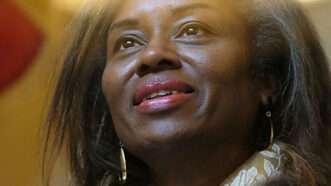
Virginia Lt. Gov. Winsome Earle-Sears wants state education dollars "to follow the child instead of the brick building."

Reason's Austin and Meredith Bragg on satire in an insane world and the man who ended New York's ridiculous, decadeslong ban on pinball.

The former head of the NYPD and the LAPD talks about how bad leadership creates police brutality and why he's still against pot legalization.
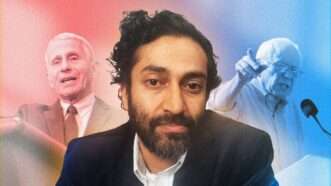
The outspoken critic of the CDC and FDA explains what went wrong—and what went right—with COVID policy.

Meet the SEC commissioner who hates regulation and the bitcoin booster who says the crypto industry needs to police itself better.

The mystery writer and cultural critic is an outspoken defender of free thinking and cultural appropriation.
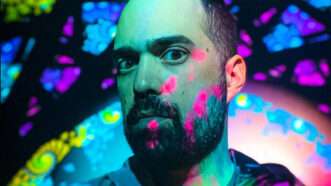
The "interactive artist" inspired by Jack Kirby and Barry Goldwater challenges social media and intellectual conformity.
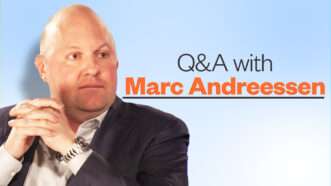
The Netscape co-founder and legendary venture capitalist talks about the future, innovation, and your next beach read.
A former teacher says there are bigger problems in K-12 education than CRT and wokeness—and that school choice may not fix them.
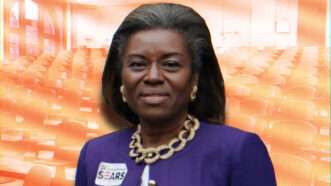
Virginia's lieutenant governor wants state education dollars to fund students, not school buildings.
Pessimism is everywhere, but the author of The Cloud Revolution says we're entering a golden age of abundant, ubiquitous, and liberating technology.
As the drug war retreats, individualist approaches to substance use and abuse will make us all better off.
The first FBI director wasn't all bad (or a cross-dresser). But he and the agency he created regularly flouted constitutional limits on power.
Q&A with the co-author of Raising the Bar: A Bottle-by-Bottle Guide to Mixing Masterful Cocktails at Home.
The Monty Python legend on giving offense and getting laughs
The Superabundance authors make a compelling case that the world is getting richer for everyone.

Prostitutes have not only provided a much-in-demand service but helped to push the boundaries of freedom and liberty for millennia.

The Weapons of Mass Delusion author says election-deniers like Marjorie Taylor Greene and Lauren Boebert may be the Republicans' future.
The legendary art director talks about the aesthetics of rebellion and his strange journey from Screw magazine to The New York Times.
Libertarian History/Philosophy
The Burning Down the House author says the shift from Hayek's classical liberalism to Rothbard's anarcho-capitalism is a moral and practical disaster.
Gun control is 'the most racist practice in America,' says the Philadelphia native and community leader.
The journalist and comedian makes the case that "new puritans" espousing the religion of social justice have captured the Western world.
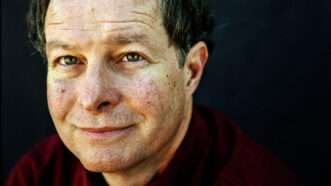
"I have muzzled myself ever since 2009....Pretty soon you're going to be hearing about Crazy John, who's no longer muzzled."

Q&A with Philadelphia's district attorney, who is facing an impeachment threat because of rising crime.
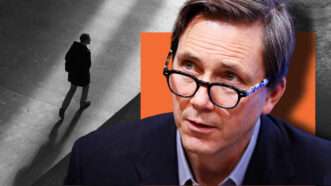
The Of Boys and Men author documents why the modern male is struggling and suggests solutions that don't come at women's expense.

The Network State author and serial entrepreneur on the future of freedom, online and offline.
In Criminal (In)Justice, the Manhattan Institute scholar argues that most reforms favored by social justice activists—and many libertarians—make life worse for communities of color.
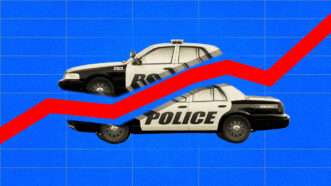
In Criminal (In)Justice, the Manhattan Institute scholar argues that most reforms favored by social justice activists—and many libertarians—make life worse for communities of color.

Reason's Zach Weissmueller and the New York Post's Karol Markowicz talk about life under the most controversial governor in America.

A new PBS series underscores the long, deadly shadow cast by xenophobia, antisemitism, and restrictive immigration laws.
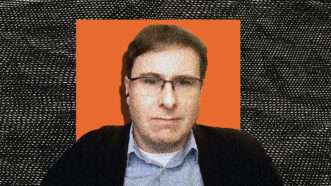
The intellectual watchdog keeps tabs on everyone from The 1619 Project's Nikole Hannah-Jones to Mises Institute's Hans-Hermann Hoppe in the name of serious scholarship.
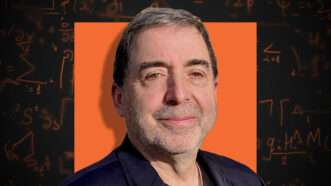
The host of EconTalk and author of Wild Problems says our biggest decisions don't submit to easy cost-benefit analyses.
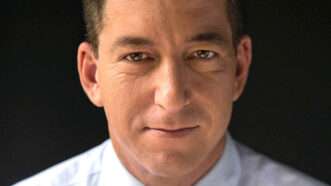
"One of the things that the left and right have in common is an awareness that our government has essentially been co-opted by corporate power," says the Pulitzer Prize–winning journalist.
Celebrate your independence with a subscription to Reason magazine, your most trusted source of honest, insightful news and analysis.




