
Gun Control Becomes Speech Control
People appalled by Cody Wilson's firearm fabrication software tend to forget about the First Amendment.


People appalled by Cody Wilson's firearm fabrication software tend to forget about the First Amendment.
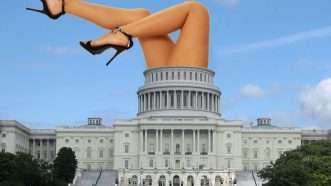
Representatives of the oldest profession were on Capitol Hill fighting FOSTA and SESTA, with our online freedoms hanging in the balance.

A long-awaited prediction market comes online. Cue the freakout.
A former congressman suggests that homemade plastic guns can be banned because they did not exist in 1791.

When alt-right activists adopted this amphibian as their own, were they stealing a cartoonist's property or exercising free speech?

Lawmakers resist plan that would likely lead to widespread censorship of online media sharing.

A poorly written proposal to expand copyright claims could potentially decimate online sharing of information.
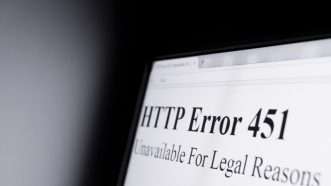
It's not just email spam; GDPR has led companies to shut down access to sites and games.
But their chances of getting the FCC repeal overturned remain slim.

Today's vote is a mostly symbolic victory for supporters of the Obama-era internet regulations.

A well-intentioned new policy threatens the violent, angry music we know and love.
This just in: Some guy says that London hospitals are like war zones!
As a recent Indiana Supreme Court case amply demonstrates, the term "website" is not nearly precise enough for use in our criminal law, and judges and legislators need to stop pretending that it is.

In Chicago, Reason editor at large squares off against former FCC head Tom Wheeler in Oxford-style debate.

HBO's hit sitcom about the tech industry lights a real-world path to a better internet.

Do deepfakes really represent "the collapse of reality"?
We need to up our media literacy game, not delegate responsibility to politicians who have no idea what they're doing.
To serve his own insecurities, Trump is waging a bellicose war on Americans who work, buy, and invest.

Meanwhile, corruption scandals dog Scott Pruitt at EPA.

The ruling allows a civil suit against Backpage to proceed for one of the case's three plaintiffs.
But wouldn't have stopped the Cambridge Analytica incident

While America gawks at tales of consensual Trump-spanking, Internet freedom is coming under legislative and cultural attack
Cody Wilson fears that major private institutions are trying to make gunmakers non-persons.
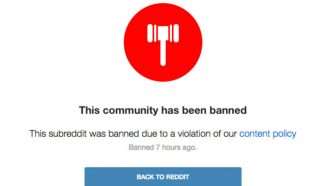
The great content crackdown has begun.
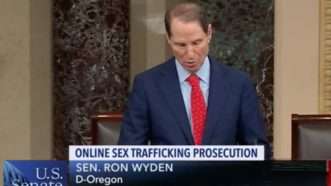
The measure will "make it harder, not easier, to root out and prosecute sex traffickers," said Sen. Ron Wyden, one of only two senators to vote no on FOSTA.

Big tech businesses serve America. Should we be alarmed?

Device makers would be required to block porn, prostitution hubs, and all content that fails "current standards of decency."
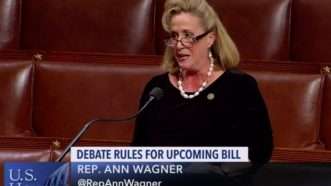
The bill makes "promoting prostitution" a federal crime, holds websites legally liable for user-posted content, and lets states retroactively prosecute offenders.
The "information warfare" described in Friday's indictment is not an existential threat to American democracy.
Researchers cast more doubt on the "filter bubble" narrative.
Co-founder of the Electronic Frontier Foundation, and Grateful Dead lyricist, helped create the notion of "cyberspace" as realm of unprecedented liberty.
Wired co-founder Louis Rossetto has a new novel out and an optimistic message about Donald Trump's presidency.
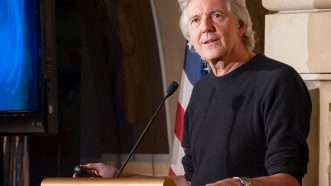
Change Is Good: A Story of the Heroic Era of the Internet chronicles tech culture circa 1998.

New technologies are helping the adult industry adjust to government regulations and give more power to performers.
Fake news just took a giant step forward. Here's why that's good news.

Any excuse to try to censor the internet
Both Democrats and Republicans are missing the mark when they call for the government to control the flow of information on the internet.
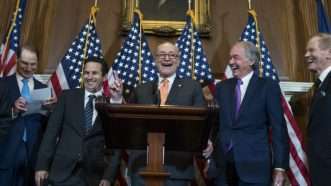
There is roughly a zero percent chance Democrats will succeed in blocking net neutrality repeal through the Congressional Review Act.

Politicians cast attacks on them as attacks on democracy. How self-serving.
Their attempts on the dark web had a less than 25 percent success rate
Onerous IP laws threaten a free and open internet in a way deregulation never can.
New rules would require internet providers to be transparent about their services.

As people worry about the net neutrality vote, public officials threaten our rights to free speech.

A related measure would open digital platforms to liability for past crimes committed by users.
An appeals court defends anonymous speech.
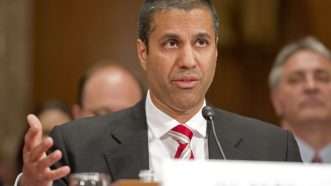
Set aside the Chicken Little fears about the internet dying.
Nick Gillespie chats with Reason TV's Meredith Bragg and Jim Epstein about the past and future of our video journalism platform.
Celebrate your independence with a subscription to Reason magazine, your most trusted source of honest, insightful news and analysis.




