
Deepfake Crackdowns Threaten Free Speech
From criminal penalties to bounty hunters, state laws targeting election-related synthetic media raise serious First Amendment concerns.

From criminal penalties to bounty hunters, state laws targeting election-related synthetic media raise serious First Amendment concerns.
The company, which says it takes an "apolitical approach" to rating news outlets, faces regulatory threats and a congressional probe because of its perceived bias against conservatives.
A board employee and a local reporter were arrested on the same bogus charge of divulging nonexistent grand jury secrets.
Brendan Carr’s plans for "reining in Big Tech" are a threat to limited government, free speech, free markets, and the rule of law.
"Reining in Big Tech," Brendan Carr says, requires scrapping liability protections and restricting moderation decisions.
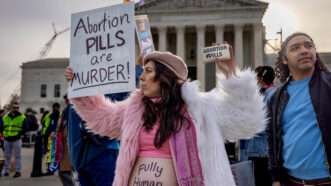
Abortion battles are becoming tech policy battles.
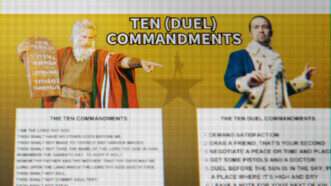
The law "is not neutral toward religion," wrote Judge John W. deGravelles, who ruled that the law was "facially unconstitutional."

The Treasury Department tried to stop an overseas conference that included politicians under sanctions. Now they’re backing down.
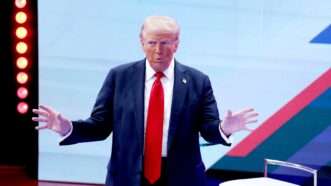
The justices, including Trump's nominees, have shown they are willing to defy his will when they think the law requires it.
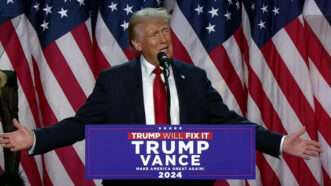
In his second term, the former and future president will have more freedom to follow his worst instincts.
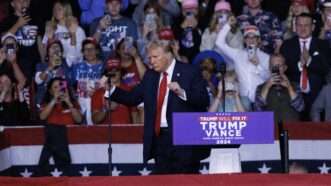
The Republican presidential candidate argues that CBS and The Washington Post broke the law by covering the election in ways he did not like.
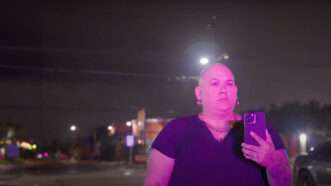
After being arrested for doing journalism, Priscilla Villarreal has taken her fight to the courts.
The groups are challenging a Florida law that bans some teens from social media.
By prosecuting the website's founders, the government chilled free speech online and ruined lives.
Regulating AI could threaten free speech, just as earlier proposed regulations of other media once did.
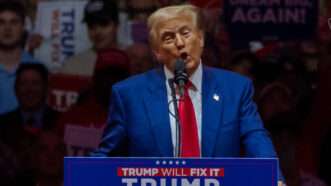
Despite his cluelessness, the former president's inclination to punish constitutionally protected speech reflects his authoritarian disregard for civil liberties.

Sending user manuals, algorithms, and lines of code can be legally equivalent to exporting bombs.
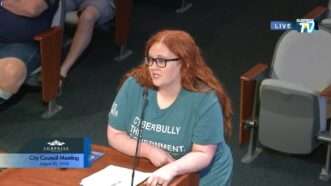
Rebekah Massie's removal and arrest from a city council meeting was "objectively outrageous," the judge ruled.
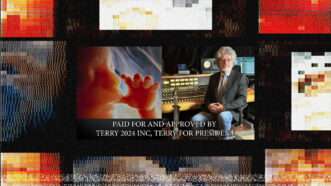
How the equal time rule is helping him hijack the airwaves.
The state has been demanding that TV stations remove political ads in support of a reproductive freedom amendment on the ballot this year.
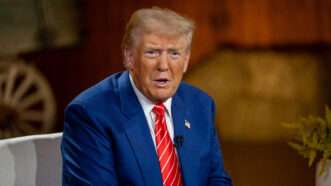
The former president's authoritarian tendencies are alarming enough without inventing new outrages.
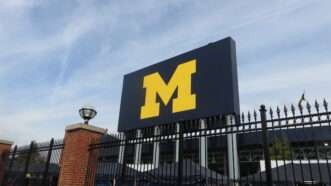
"Michigan's D.E.I. expansion has coincided with an explosion in campus conflict over race and gender," notes The New York Times.
For more than three decades, the Institute for Justice has shown that economic freedom and private property are essential safeguards for ordinary Americans.
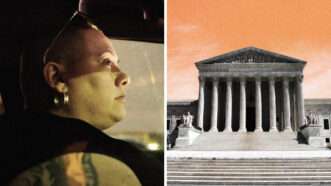
Priscilla Villarreal's case is about whether certain reporters have more robust free speech rights than others.
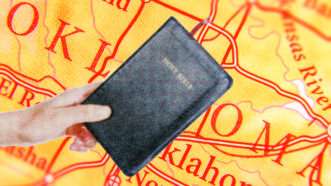
The good news is that schools won't be forced to stock Trump-endorsed Bibles. The bad news is that they're still being forced to supply Bibles.

Mason Murphy says Officer Michael Schmitt violated his rights by punishing him for constitutionally protected speech.
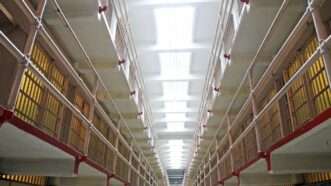
South Carolina bans all media interviews with incarcerated people, a policy the state's ACLU chapter says is the most restrictive in the country and infringes on its First Amendment rights.
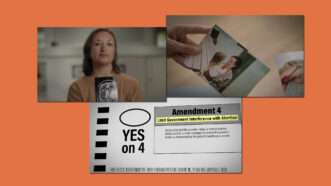
The Florida Department of Health sent a cease and desist order to a Florida news station after it aired an ad claiming that women with cancer would be unable to obtain abortions in the state.
Reason's new documentary is now streaming on the video platform CiVL. I hope you'll watch.
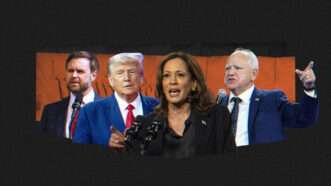
Both presidential candidates (and their running mates) seem confused about the constraints imposed by the First Amendment.
A divided circuit panel stays the district court's injunction against enforcing Ohio's law.
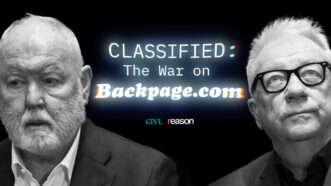
The film ties together years of reporting on a legal saga with broad implications for both free speech and sex work.
Ryan Walters' strict stipulations make it clear he’s steering Oklahoma schools to purchase Donald Trump’s Bibles at a hefty cost.
Her comments are a reminder that this free-speech protection is far from safe.
Daniel Horwitz often represents people illegally silenced by the government. This time he says a court violated his First Amendment rights when it gagged him from publicly speaking about a troubled state prison.
A federal judge ruled that the law was overbroad and violated the First Amendment.
The would-be vice president is wrong to say that misinformation lacks First Amendment protection.
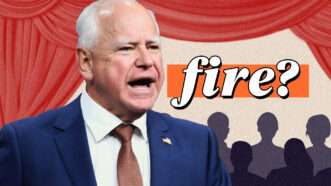
During Tuesday's debate, Tim Walz fumbled a key moment by misunderstanding the First Amendment
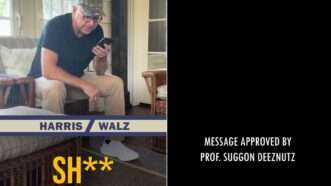
The broad ban on AI-generated political content is clearly an affront to the First Amendment.
The decision is a reminder that independent reporters are still protected by the same First Amendment as journalists in legacy media.
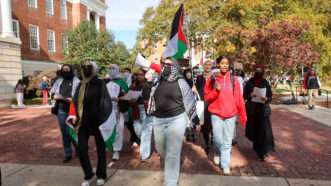
The university caved to pressure to target pro-Palestine events.
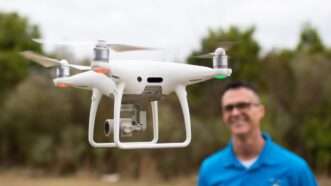
State boards use outdated laws to target content creators, raising urgent questions about free speech in the digital age.

“The separation of church and state appears nowhere in the Declaration of Independence or Constitution," a top Oklahoma education official said in defense of the state's Ten Commandments decree.
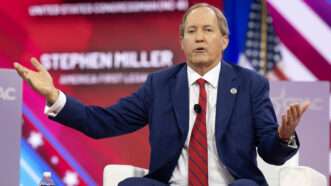
Opposing Priscilla Villarreal's petition for Supreme Court review, Texas Attorney General Ken Paxton portrays basic journalism as "incitement."
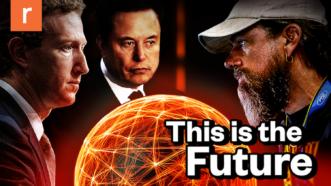
What if there was a social media platform owned not by Mark Zuckerberg, Elon Musk, or the Chinese Communist Party, but by everybody and nobody all at once?
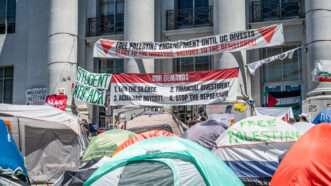
As Israel-Hamas demonstrations continue in the new school year, the misunderstanding of free speech is fueling disruption and hypocrisy on campuses.
Officials allegedly retaliated against a professor who expressed politically controversial statements about the best treatments for gender dysphoria among youth.
Celebrate your independence with a subscription to Reason magazine, your most trusted source of honest, insightful news and analysis.




