
Trump Says He Wants Drones and Snipers in 250-Foot Triumphal Arch, Complicating His Controversial Proposal
The arch has yet to receive final approval—and Trump’s newly announced military use was not part of the original federal review.

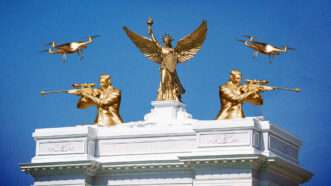
The arch has yet to receive final approval—and Trump’s newly announced military use was not part of the original federal review.
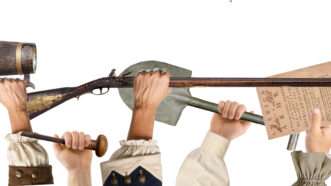
America in the mid-1770s was a jumble of spontaneous formations amid the ruins of an empire.
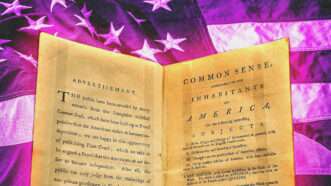
As John Adams said, the war was both an effect and a consequence of a revolution in the minds of the people.
Plus: World Cup tourists embrace America, the Supreme Court expands gun rights, and Europe's resistance to air conditioning
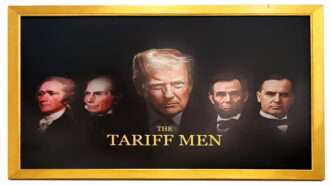
Free trade is "a direct affront to our Founding Fathers," President Donald Trump said during his first presidential campaign.
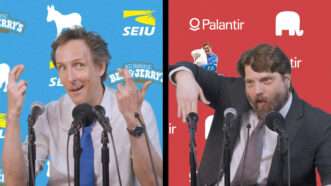
Republican and Democratic coaches take questions from the press
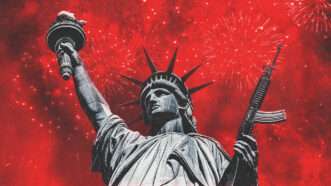
On a Fourth of July, John Quincy Adams warned against the foreign policy that his successors would later adopt.
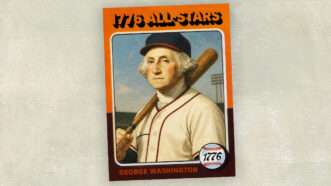
America's first president helped establish the tradition of military submission to civilian authority.
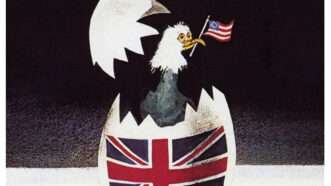
1776 is a musical about John Adams' pursuit of American independence.
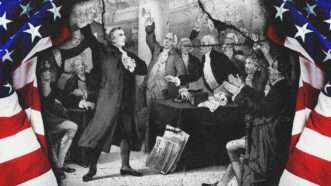
Two distinctly American traits that powered the Revolution: We don't like being told what to do by our supposed betters, and we really don't like being told to shut up.
We should heed Alexis de Tocqueville's warning: "A man's admiration for absolute government is proportionate to the contempt he feels for those around him."
After 250 years, Americans are still considering this basic question.
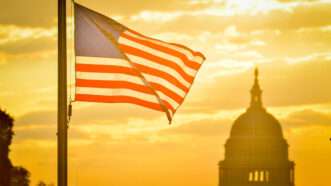
Most Americans still appreciate the freedom the country was founded upon.
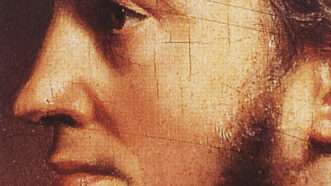
America's Founding through the eyes of the least popular Founding Father
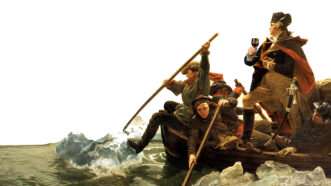
America was founded by drinkers, distillers, and maltmen whose consumption would be labeled problematic by today's public health authorities.
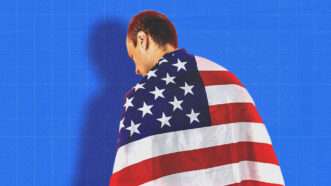
As the United States celebrates its semiquincentennial, all age groups are less likely to love America than in the past.
Plus: failing power grids, Canadian euthanasia, AOC running for president, and more...
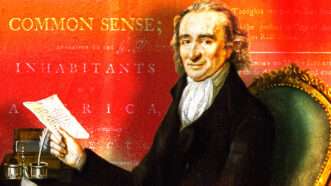
As America races toward its 250th birthday, Paine is the Founding Father to cast our lot with.
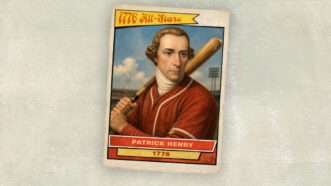
Henry's warning about presidential powers is especially prescient today.
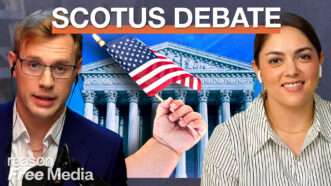
Robby Soave and Amber Duke discuss the Supreme Court’s rulings on birthright citizenship and transgender athletes.
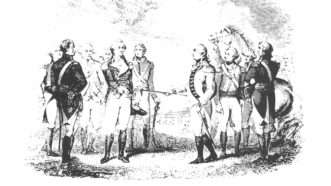
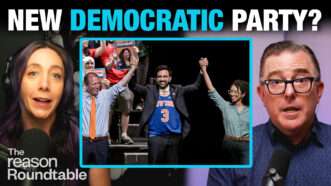
Plus: the DSA's policy agenda, Trump's chaotic Iran strategy, and America's 250th birthday
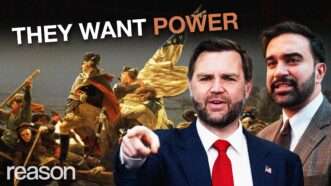
Washington’s troops won the ground war, but today's left and right are waging war on the ideals of the Revolution.
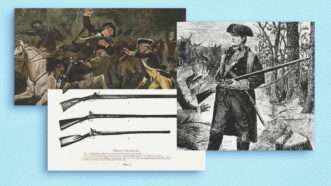
The American Long Rifle was accurate at long distances, unlike British smoothbores.
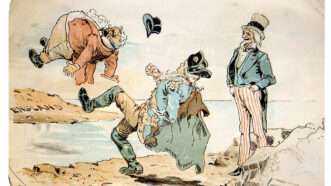
"When you drive him hard, the boar will surely turn upon the hunters," Edmund Burke warned Parliament. What if the British government had followed his advice?

The Great American State Fair promised a celebration of freedom. So why was I stuck in the air?
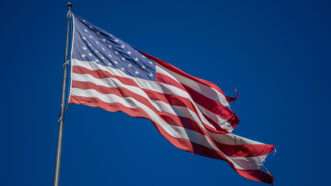
The country is battered, but it still offers freedom to live our lives.
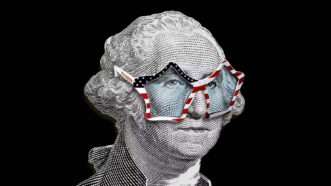
My American Revolution revisits the American Revolution through those that keep the revolutionary spirit alive.
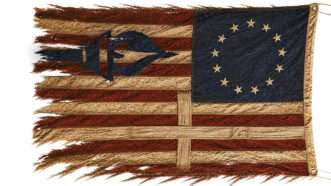
If the fusionist account of history is correct, the anti-fusionists are engaged in a far more radical project than most of them are willing to admit.
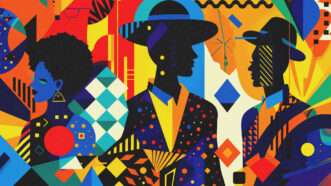
June 19 commemorates the day the final 250,000 people held in slavery gained their freedom. It deserves a place in any celebration of American liberty.
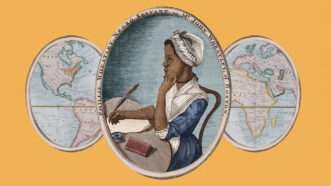
The Odyssey of Phillis Wheatley tells the story of early America's "African poetess."
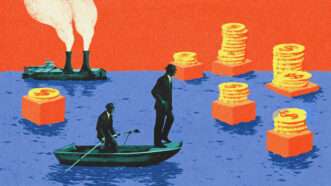
A new report found that 82 percent of Americans want the benefits of free markets taught in high school.
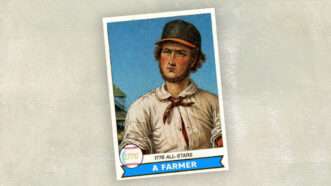
The man known only as "A Farmer" warned against the "sword of government."
Matt Welch discusses the forgotten reality of the bicentennial, the cultural impact of Roots, and why America doesn't need a single national story.
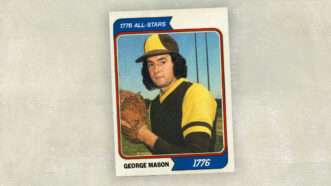
I'm not saying that just because I teach at the university named after him.
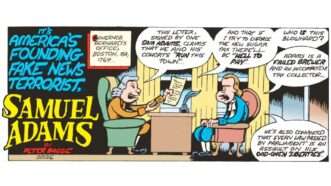
Samuel Adams sets his sights on Tory lackeys.
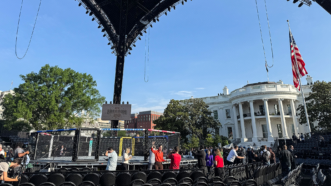
A cage fight on the South Lawn may be an unusual choice to celebrate the Founding. But it is a mirror of our political moment.
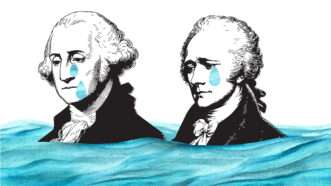
America's Founders helped create a world they were not yet ready to live in.
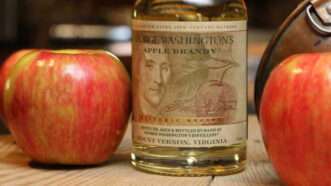
A replica of Washington's apple brandy is available for purchase at his Mount Vernon estate.
The Ideological Origins of the American Revolution draws upon writings and speeches you might not have heard of.
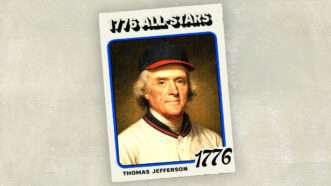
The author of the Declaration of Independence may have written "the greatest sentence ever."
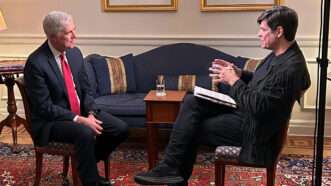
"There was nothing inevitable about it. Absolutely nothing," the Supreme Court justice tells Reason's Nick Gillespie.
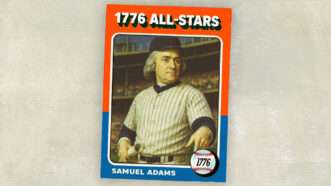
The libertarian rabble-rouser who helped ignite the American Revolution
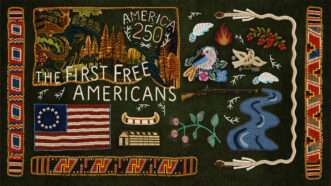
Unlike in Europe, native rulers had little formal authority; they had to persuade others to follow their ideas.
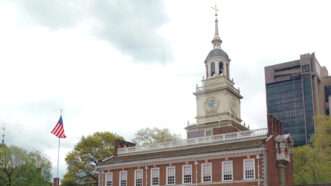
Modern visitors to the site where they signed the Declaration of Independence can still feel a sense of uncertainty and trepidation.
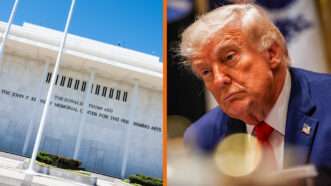
The president tramples the rule of law in his rush to glorify himself.
"City where the Declaration of Independence was adopted on July 4, 1776"
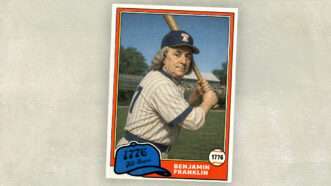
Franklin was fundamentally an optimist, and his life reminds us that politics is not what really matters.
Celebrate your independence with a subscription to Reason magazine, your most trusted source of honest, insightful news and analysis.




