
Review: An Alternate History of Soviet Space Exploration
Star City considers a world where KGB paranoia dictates space development.


Star City considers a world where KGB paranoia dictates space development.
This podcast appeals to both history dads and true-crime girlies.

The American Folk Art Museum curates works by self-taught artists.

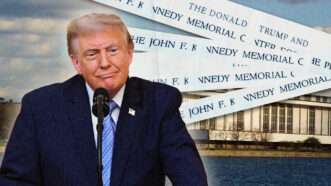
Must they keep chipping away at their dignity?

Robby Soave and Christian Britschgi break down the absurd political fights about America’s surveillance state before jumping into House of the Dragon.
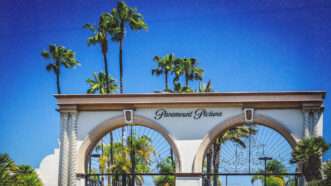
California's attorney general is fighting a merger that 65 countries and the DOJ already cleared. Now, the state may lose thousands of jobs.

In HBO's Neighbors docuseries, nearly every dispute is recorded and shared.
Hint: It's mandatory national service.

The Mansion on O Street showcases consumerist artifacts, and none if it is taxpayer-funded like many of the city's other museums.

The Declaration author's historic home is hosting a "1776: Road to the Declaration" exhibition.

Is baseball’s new audience more interested in prop bets or pennant races?

If successful, it could do more harm than good to the entertainment industry.
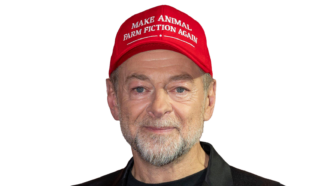
"If Orwell were writing that story now, what would his targets be?" the Animal Farm director asks Reason's Nick Gillespie.
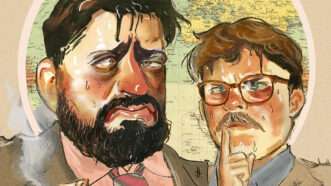
On Fin vs History, two British comedians poke fun at revered historical figures.
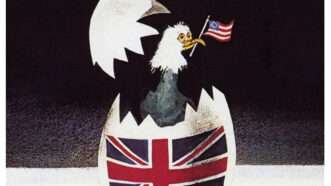
1776 is a musical about John Adams' pursuit of American independence.
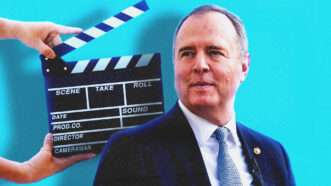
Studies repeatedly show the credits aren't worth the cost.
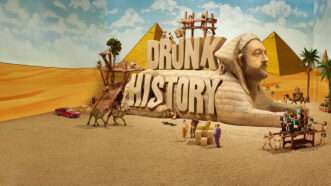
Hamilton, Jefferson, Franklin, and others appear in the irreverent TV series.
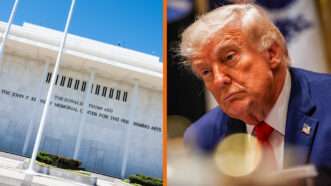
The president tramples the rule of law in his rush to glorify himself.
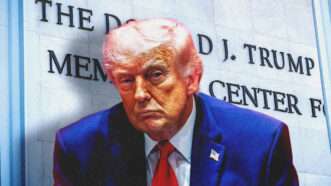
The decision is a modest but welcome victory for the rule of law.

The musical contemplates the best way to achieve social change in the face of injustice.
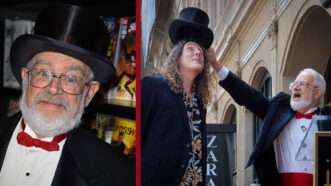
After 55 years, Dr. Demento has finally retired from the airwaves.

The Pentagon's budget is so vast that a soldier believes the extraterrestrial machine shooting lasers at them might be taxpayer–funded.
Robby Soave and Christian Britschgi discuss the latest developments on the origins of COVID-19 and also the flimsy accusations against Rep. Thomas Massie.
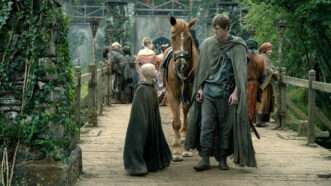
The first season of this Game of Thrones spinoff considers whether the main character is officially a knight.

Nominees include stories on America's gerontocracy, the war on chocolate, how Texas beat California on housing, and more.
Robby Soave and Christian Britschgi tear apart AOC's belief that billionaires don't earn their wealth.
If this podcast has a flaw, it's that occasionally the episodes are slightly too interesting.
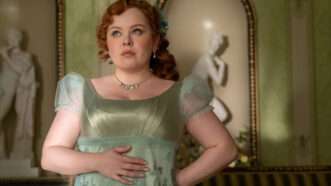
A gossip column runs up against monarchical censorship.

Contrary to the concerns of big-is-bad types, the game's charm has only grown since its Big Tech acquisition.
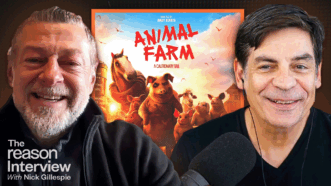
Andy Serkis discusses the corrupting nature of power, what Animal Farm says about modern authoritarianism, and whether technology expands or diminishes human creativity.

Screens have become less passive, more participatory, and more open to all kinds of moving pictures.

The protagonist in Yesteryear wakes up one day in what appears to be a real 1800s homestead.
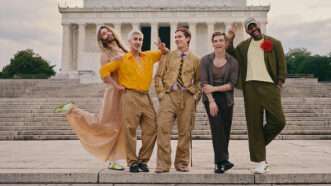
The show, now in its final season, reminds viewers that people of different races, political parties, and sexual orientations can have mutually enriching interactions.
Punishing Live Nation and Ticketmaster for their success won't substantially lower primary ticket prices and will do nothing to address scalping.
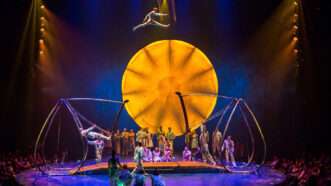
Luzia brings the outdoors in, using impressive engineering to highlight water's beauty.
While there are legitimate antitrust concerns regarding the merger, doomsday predictions are unwarranted.

Robby Soave and Christian Britschgi play a little war vs. music game before they go back over COVID craziness and the joys of Pokémon.
Author Christopher Summerfield engages seriously with skeptics who claim that large language models are really thinking.
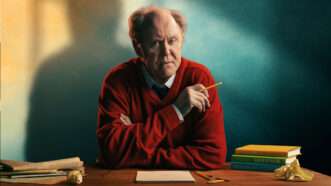
The play presents characters subtly negotiating the entanglements of identity and the perils of cancel culture.

"Performance enhancements are actually, contrary to what many people think, not that dangerous," the Enhanced CEO tells Reason.
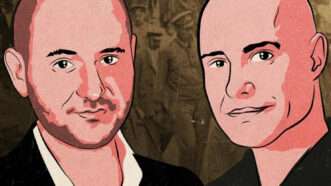
On Origin Story, podcasters Dorian Lynskey and Ian Dunt cover everything from Karl Marx to the British Labour Party.
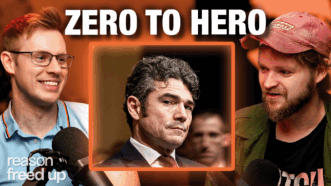
Robby Soave and Christian Britschgi discuss political fallout from the Iran war, Tulsi Gabbard's pivot, and Rand Paul calling out Markwayne Mullin.
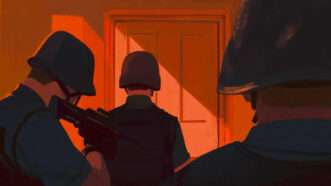
Collateral Damage tells some of the many stories of drug enforcement gone wrong.
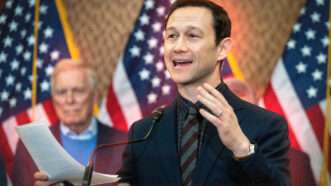
The actor previously pushed to repeal Section 230. Now, he is taking his advocacy to the global stage.
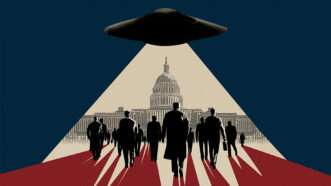
The Age of Disclosure makes bold claims but is frustratingly thin on specifics.
Celebrate your independence with a subscription to Reason magazine, your most trusted source of honest, insightful news and analysis.




