
UPDATED: HOAX! This Florida Teacher Strapped on a Dildo to Teach Sex Ed. Then Things Got *Weird*
At least she didn't bring a "hoax bomb" to school.

At least she didn't bring a "hoax bomb" to school.

Spending review became spending advocacy.

Police response was unjustified no matter what.

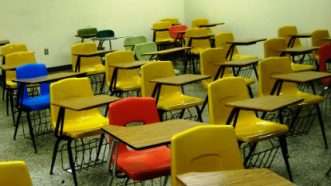
North Carolina lawmakers want to teach sex-trafficking scare stories to school children.

Glenn Reynolds of Instapundit explains why college is Camelot in Monty Python and the Holy Grail.
Texas teen's awful treatment underscores why more educational options are better for everyone.

Schools should call the cops as a matter of last resort, not as a default response to misbehavior.

Kids of all colors are at risk while paranoia reigns supreme in public schools.
Want to know why school choice is spreading like wildfire? Because of idiot administrators like these ones.

He told everyone it was a clock. And it was.
Colorado Rep. Jared Polis believes it's better for eight innocent men to be condemned than for two guilty ones to go unpunished.
...the White House finally unveiled a site that fails to do what the president championed.

Pikesville Middle School 13-year-old charge with second-degree assault.
New Orleans students have learned more and they are better-prepared for college and careers than they were before the city's education reform.

Michigan Education Association tries to get around Right-to-Work.

Teens deserve privacy.

Education standards exacerbate crony capitalism

Majority of people with an opinion on the issue think teachers should be free to make their own decisions.

High school kids have free speech rights, too.
New York's largest charter network outperformed traditional public schools in wealthy zip codes.

Democrats have plans that obscure the real problems, but speak to the outrage.

Calls for more state and federal spending on administrative services.



No eyewitnesses, no evidence he did it.

Is the trigger warning crowd to blame?

A California teacher is taking her fight with organized labor all the way to the Supreme Court.

It's a case about public school bathrooms.

Sherry Smith just wants to know how the school system decided on placement for her special-needs son.
A union-led plan to help struggling schools treats teachers like cattle.
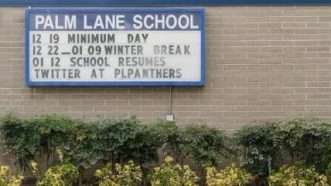
Struggling Palm Lane Elementary School in Anaheim, California, will see new management.

Soul-crushing bureaucracy.
The teachers union fights to preserve its monopoly.

Draft legislation incentivizes annual tuition increases and more administration.

Central planning sucks.


Teaching kids all the wrong lessons

Teachers who don't agree with their union's politics have to pay up anyway.

Kids need flavor packets to cope with federal guidelines
The students' side files their appeals brief in the historical Vergara case overturning teacher firing practices that harm kids.

Public schools punish good educators
Celebrate your independence with a subscription to Reason magazine, your most trusted source of honest, insightful news and analysis.




