
Bureaucracy, Labor, & Tariffs: How Government Is Making BLTs More Expensive
The BLT—a delicious celebration of the power of markets—exemplifies political attacks on the free movement of goods and people.

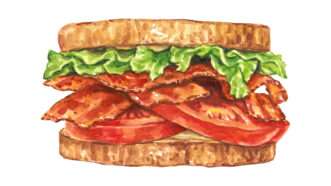
The BLT—a delicious celebration of the power of markets—exemplifies political attacks on the free movement of goods and people.

Standard minimum wage and overtime laws now apply to the state's goat herders, whose animals clear brush and reduce fire danger. The costs are unsustainable.

This year’s rent freeze is just the latest regulation pushing New York City’s rent-stabilized housing stock toward financial and physical collapse.
It was filed by several businesses, including Learning Resources, Inc., which was also involved in the IEEPA tariff litigation.
The complaint explains why the tariffs violate the requirements of Section 301, and also run afoul of the major questions and nondelegation doctrines.

Airport security screeners at the 20 private-contract airports get paid during a government shutdown. A public sector union wants to make sure that doesn’t happen.
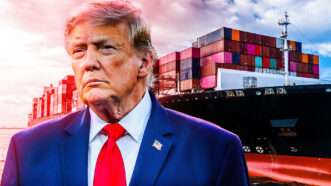
The Section 301 tariffs announced on Thursday overstep the powers granted by Congress and likely run afoul of the major questions doctrine.
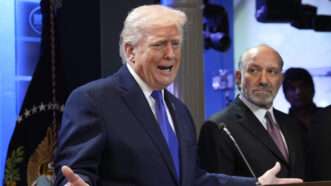
Plus: House votes on war powers as Trump enters Iran war "revenge mode," Ted Cruz worries about AI, Marvel movies are planned through 2042, and more...
The new policy is based on sham investigations, and runs afoul of the major questions and nondelegation doctrine.
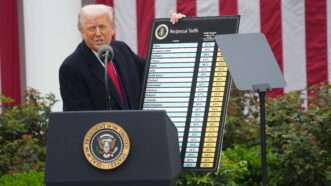
The U.S. economy is not a reality show. The Trump administration should stop acting like it is.
Please stop letting these people lie about what their preferred economic system entails.
From rent control and Medicare for All to tariffs, politicians left and right are embracing policy ideas that have been repeatedly shown to not work.

Automation will destroy some jobs—and create others.

Eliminating burdensome small business regulations is a win for everyone.

The trade war caused exports to Canada to fall. Now, Trump is pointing to that fact to justify more tariffs.

The 50% tariffs on many Canadian imports are based on the long-defunct Section 338 of the notorious Smoot-Hawley tariff act.

Many "democratic socialists" want to abolish prisons. But this is in conflict with their objective of making many more activities illegal.
Plus: new tariffs on Brazil, Trump's primetime address on election security, and the growing popularity of democratic socialism.
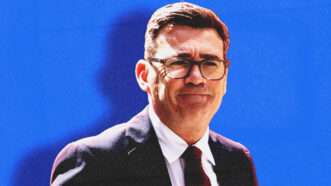
Britain’s seventh prime minister in a decade inherits weak growth, record-high taxes, and a swelling welfare bill. His proposed cure is an even larger role for the state.

Plus: Platner fallout, gas prices hit $4 per gallon, it's Kamala Harris' world (and we're just living in it), and more...

Such anomalies are common when polling often-ignorant voters. But libertarians would do well to take note, anyway.

The idea is simultaneously harmful and illegal.
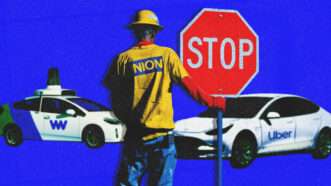
Labor unions almost always value union jobs over technologies that save time, money, and lives.
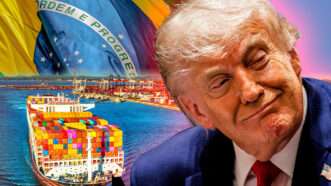
It's almost like there is no real underlying principle guiding the Trump administration's tariff policies.
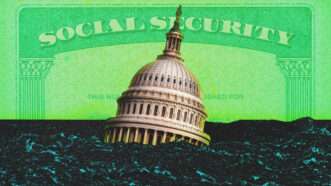
Once the trust fund is empty, Social Security can pay out only what it collects. Yet few candidates are talking about this in any serious way.

A proposed bill would legalize commercial autonomous vehicles in D.C. under one of the country’s most expensive regulatory frameworks, but unions still want the brakes applied.

If successful, it could do more harm than good to the entertainment industry.
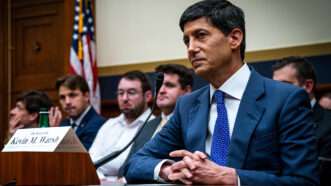
Plus: More strikes on Iran, Nayib Bukele runs for a third consecutive term, private dinosaur-bone ownership, and more...

America's most business-friendly states are proof that permitting reform works. Still, they have a bad habit of handing out tax breaks to favored industries.

From executive power to civil liberties, what to make of a momentous year at SCOTUS?
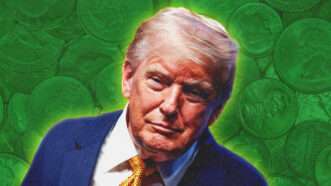
Let's simplify this system instead of making it even more complicated.
Important progress has been made on repaying illegally collected tariffs. But serious problems remain, including some caused by the Trump Administration's efforts to keep some of the illegally collected loot.
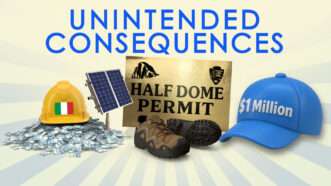

The Federal Reserve reports that small businesses were less likely to be able to avoid tariff costs during 2025 and are more pessimistic about employment and revenue in 2026.

Plus: Rampant illiteracy, teen-suicide rates and screens, and more...
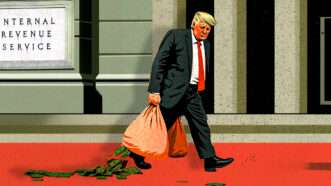
Since the beginning of his first term, the president has repeatedly used his office for personal gain.
There are only a handful of ways to shore up Social Security. Sens. Bernie Moreno and Elizabeth Warren are backing one of the most expensive.
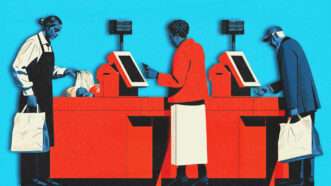
A new law requires grocery stores to keep one staffed checkout open for every three self-checkout stations.
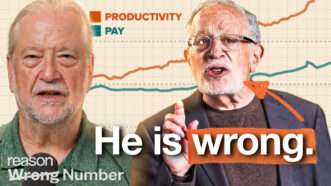
The former U.S. labor secretary presents economic data in deceptive ways.
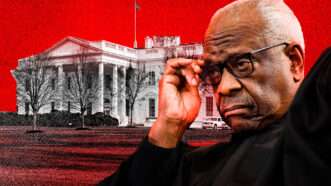
The conservative justice pushed for greater executive authority even in cases in which Trump won.

The Reason Sindex tracks the price of vice: smoking, drinking, snacking, traveling, and more.
Three different VC bloggers were among the speakers: Jonathan Adler, Keith Whittington, and myself.
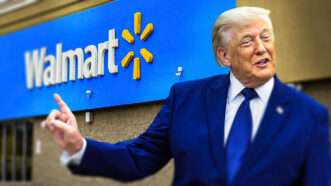
He understands economics about as well as he understands the limits of presidential power.
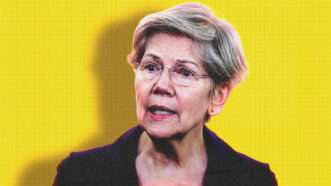
Her plan is being pitched as a tax on the wealthy, but half the burden would fall on businesses. That would have dire consequences for the economy.

Plus: L.A. criminally charges contractors offering to build an ADU in the Palisades, South Carolina streamlines squatter removal, and a Florida city uses eminent domain to thwart state housing law.

Plus: Should Folarin Balogun have been allowed to play? The simple fix for red card suspensions.
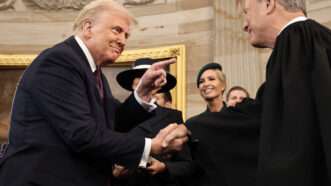
Why Trump lost big in the Supreme Court cases he cared the most about
Celebrate your independence with a subscription to Reason magazine, your most trusted source of honest, insightful news and analysis.




