
Data Centers and Their Discontents
Plus: Talarico and black turnout, an artist trial at the Vatican, hospitals use AI (for ill), and more...

Plus: Talarico and black turnout, an artist trial at the Vatican, hospitals use AI (for ill), and more...
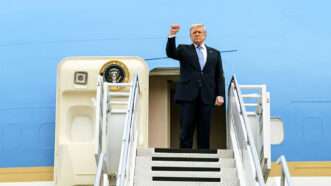
President Donald Trump's joking tone belies his very real moves to take government ownership of private companies.

Much of the hatred directed at private equity is just a familiar form of opposition to free markets.
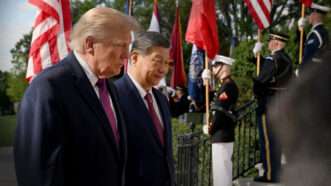
China does present some real national security challenges. But the Trump administration's policies have made it harder to address those, all while damaging American prosperity.
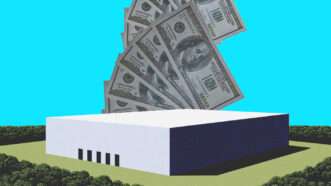
State and federal policymakers are attempting to exclude data centers from run-of-the-mill tax exemptions.
The push to mandate AM radios has brought Ted Cruz together with Bernie Sanders.
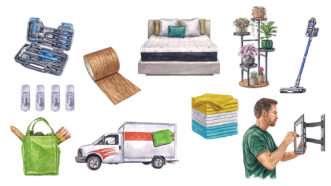
How Wayfair, Taskrabbit, and Instacart simplify your transition to a new house or apartment
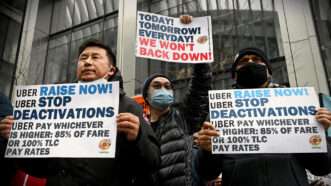
A federal judge temporarily blocked it from taking effect. But the legal fight is ongoing.
Punishing a company for building the best product doesn't serve the businesses or users antitrust enforcers claim to protect.
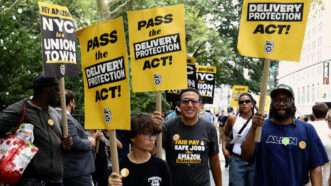
The misleadingly named "Delivery Protection Act" would require companies like Amazon and FedEx to directly hire employees for last-mile delivery, rather than contracting this service out to subcontractors.

Their few defenders often misunderstand their benefits.

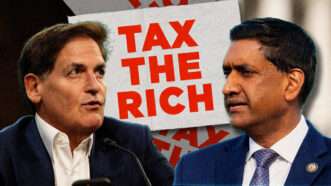
Many entrepreneurs with high net worths don't actually have much cash. What bank lends $100 million against illiquid stock in young companies that may or may not succeed?
Plus: "Blasphemous" talk in Texas, botox everywhere, ink on Mace, and more...

Gov. Mike DeWine's recent essay in The New York Times makes the case for a more open legal immigration policy.
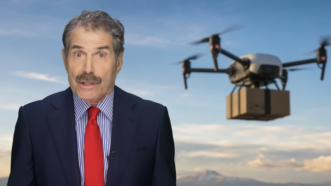
To fly a drone out of sight, you must get airline-level certification, which requires a lengthy approval process from the Federal Aviation Administration.
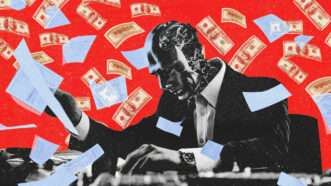
The proposed tax would rise with unemployment and fund a new federal jobs program—even though AI has yet to cause mass unemployment.
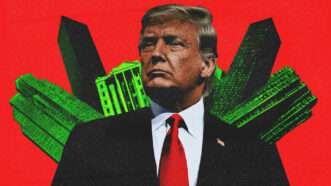
Federal ownership of private companies has become routine. And it is happening on the right, even as conservatives point fingers at the left for its socialism.
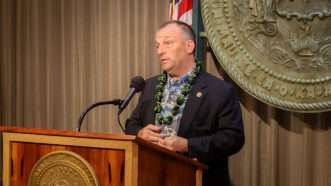
A new Hawaii law reclassifies corporate political speech as a "power" the state can revoke at will.
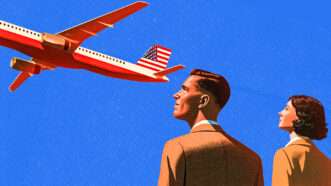
Researchers estimate that discouraging just one-third of international STEM graduates could leave the American economy 0.7 percent to 1.3 percent smaller—equivalent to losing the entire economy of Utah or South Carolina.
"Success comes from meeting the needs and wants of others," says businessman and publisher Steve Forbes.
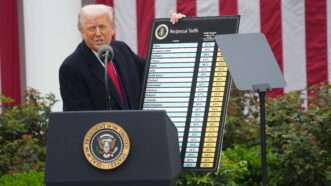
The U.S. economy is not a reality show. The Trump administration should stop acting like it is.
Eliminating burdensome small business regulations is a win for everyone.

If successful, it could do more harm than good to the entertainment industry.
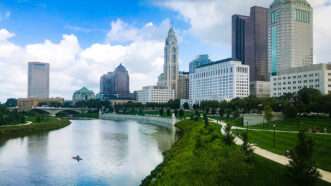
America's most business-friendly states are proof that permitting reform works. Still, they have a bad habit of handing out tax breaks to favored industries.
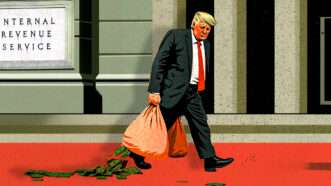
Since the beginning of his first term, the president has repeatedly used his office for personal gain.
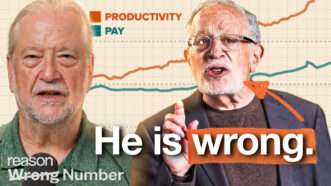
The former U.S. labor secretary presents economic data in deceptive ways.

It's a temporary reprieve for a sector that has been struggling for years. But the fight is just getting started.

Raise the price of an activity and people do less of it or restructure how they report it. Mobility was never the sole issue.
"We created a problem and it's our responsibility to fix it," former Seattle City Council President Sara Nelson admitted.
Zohran Mamdani's administration has not studied how New York City's government-backed grocery stores will affect nearby mom-and-pop outlets, which operate on thin profit margins.

The league’s conduct is indisputably protected by the First Amendment. But that doesn't make it wise.
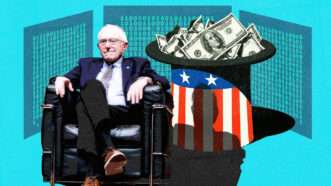
The Vermont senator's American A.I. Sovereign Wealth Fund Act would also create an entirely new regulatory regime for the tech industry.
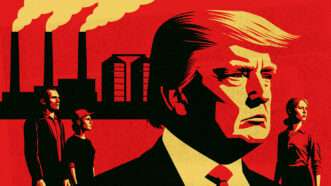
Lawmakers should be blocking Trump's corporate socialism, not making it a permanent fixture.
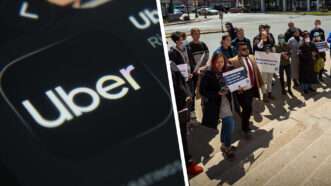
It is in part an attempt to treat gig workers as full-scale employees rather than independent contractors. Drivers and riders will pay the price.
Growing economies benefit all people, not just the uberwealthy.
"It's really important that people step back, look at economic history," says economist Donald Boudreaux. "They'll see that we prosper more the more economically free we are."

The economic fallout of the law has been significant. Is it even legal?
The administration has paid $20 billion in refunds. Now, it is asking a federal appeals court to limit which businesses will get the rest.
The state requires that people prove certain businesses are needed. How to do that is another question entirely.
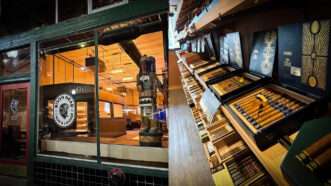
In Roanoke, Virginia, one entrepreneur’s dream ran into permit rules, taxes, Prohibition-era alcohol rules, and a city order to spend $10,000 on a “historic” dry-cleaning sign.

Connecticut Sen. Chris Murphy says that capitalism is killing youth hockey and fueling a "crisis of resentment." But who exactly is pissed?

I watched hours and hours of the Enhanced Games so you didn’t have to.
They cost each American household roughly $1,000 in 2025, with more coming in 2026.
Celebrate your independence with a subscription to Reason magazine, your most trusted source of honest, insightful news and analysis.




