Grocery stores
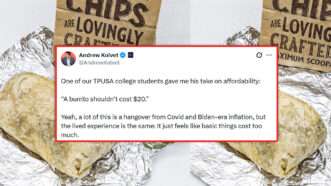
A Viral Tweet Set Off a Discourse on $20 Burritos. Here's the Truth About Inflation.
Americans are angry because everyday goods are much more expensive, and politicians think they should “stop whining.”
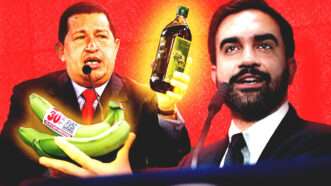
What Mamdani Can Learn From Hugo Chávez's Government-Run Grocery Store Debacle
Venezuela’s government-run grocery stores led to endless lines, empty shelves, quotas, and corruption.
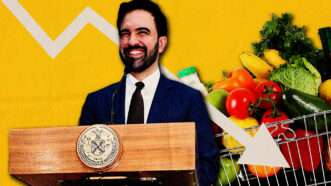
Who's Paying for the Discounts in Mamdani's City-Run Grocery Stores?
This week, Mamdani announced his city-run grocery stores will sell core goods at a 30 percent discount.
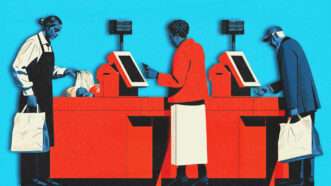
Rhode Island Is Regulating Grocery Checkout Lines Now
A new law requires grocery stores to keep one staffed checkout open for every three self-checkout stations.
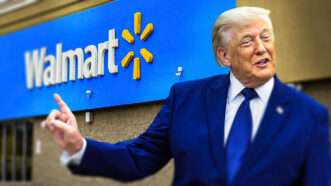
Trump Tries To Take Credit for a Walmart July 4 Grocery Sale
He understands economics about as well as he understands the limits of presidential power.
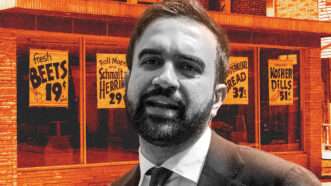
The Mayor Who Loves Bodegas Is Building Taxpayer-Funded Competitors
Zohran Mamdani's administration has not studied how New York City's government-backed grocery stores will affect nearby mom-and-pop outlets, which operate on thin profit margins.
Britain Pressures Supermarkets To Cap Food Prices
British supermarkets already operate on thin margins, but politicians are treating their prices as if they were arbitrary.
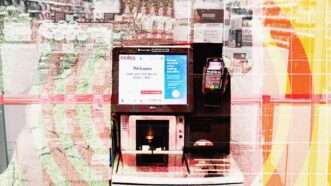
Self-Checkout Is Under Fire Across the Country. Is Theft Really the Reason?
The restrictions are often framed as a crime prevention measure. But the fine print points to a different motivation: adding union jobs.
The Shooter's Manifesto Was Uncomfortably Normal
Plus: Mamdani’s city-run grocery plan, the Trump administration considers a Spirit Airlines bailout, and Iran peace talks drift without a clear endgame
The Bipartisan War on Cheap Food
Republicans and Democrats preach about food affordability. Yet their policies continue to make it worse.
Mamdani's Fix for Food Deserts: Opening a $30 Million City-Owned Grocery Store Near Other Grocery Stores
New York City plans to open five city-owned grocery stores by 2029.
The 'Fairness' Law That Could Raise Grocery Prices for New Yorkers
Legislators are trying to pass their own state version of an outdated antitrust law—one that is dead at the federal level for a reason.
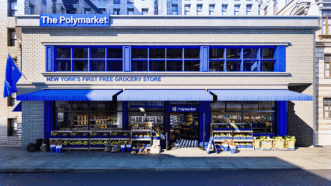
The Private Sector Handles Hunger Better Than Mamdani Could
Polymarket’s pop-up grocery and Kalshi’s food money giveaways are the latest examples in New York’s decades-long history of food charity.
The Real Reason Beef Costs More: Fewer Cows, Not Corporate Greed
Donald Trump and Peter Navarro are blaming meatpackers for hiking beef prices, but Agriculture Department data tell a different story.
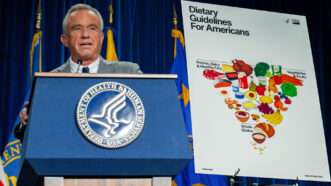
The New Dietary Guidelines Are a Warning About State-Run Grocery Stores
If progressives distrust Robert F. Kennedy Jr.’s vision of healthy eating, they should rethink giving the government control over grocery aisles.
A Bipartisan Push to Revive a 1930s Law Could Make Grocery Prices Even Higher
If the government revives the Robinson-Patman Act to force suppliers into charging small and large retailers the same price for vastly different quantities of the same product, that will mean higher prices.
Thankfully, We Don't Have To Spend As Much of Our Incomes on Food As Our Ancestors Did
The portion that Americans spend on food has fallen steeply over the last century.
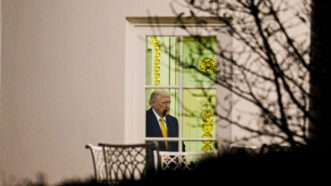
Trump Seems Very Confused About 'Affordability'
The president says the affordability crisis is over, but he's also promising huge government checks. And he doesn't know how much gas costs.
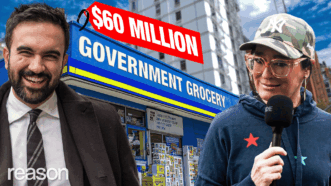
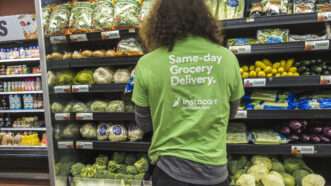
New York Doubles Down on Delivery Wage Disaster
After restaurant delivery drivers quit in droves and costs soared, the city is expanding minimum wage rules to grocery couriers.
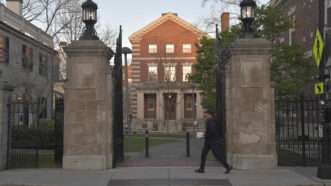
Trump vs. Harvard
Plus: City-run grocery stores, Peronists for prison, California can't figure out how minimum wage hikes work, and more...
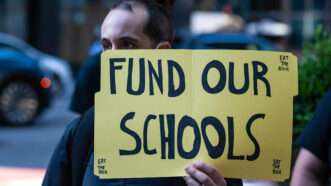
The Absurdity of Government Grocery Stores Exposes the Flaws of Public Schools
Zohran Mamdani’s proposal for state-run supermarkets exposes the inefficiencies of state-run education.
America Has Plenty of Experience With Government-Run Stores, and It Isn't Pretty
New York mayoral candidate Zohran Mamdani wants to open city-owned grocery stores. The U.S. already has a few, and they're a cautionary tale.
Zohran Mamdani's Government-Run Grocery Stores Won't Lower Prices
The democratic socialist's proposed "public option" reveals a fundamental misunderstanding of the market.
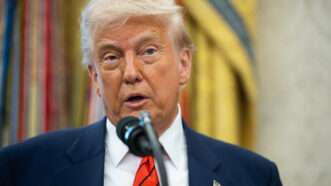
The Trouble With Donald Trump's 'Department Store' Analogy
America is not a department store. And no successful department store would be following Trump's antitrade strategy.
In Boston's Scooter 'Wild West,' Lawmakers Take Aim at the Wrong Target
The city passed a law cracking down on food delivery companies rather than the reckless drivers creating chaos on sidewalks and streets.
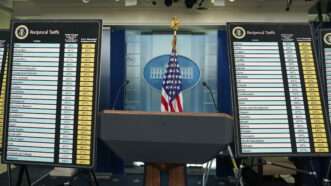
How Trump's New Tariffs Will Make Farming (and Food) More Expensive
Trump's first trade war cost farmers $27 billion. Losses this time around could be higher.
Alton Brown: A Culinary Legend Offers Food for Thought
The Good Eats host talks about the virtues of Cap'n Crunch, why fusion cooking isn't cultural appropriation, and how Martha Stewart's perfectionism ruined dinner parties.
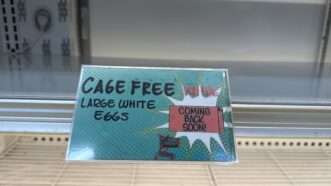
Are Cage-Free Laws To Blame for High Egg Prices?
State laws banning caged eggs are cutting off millions from cheaper options.
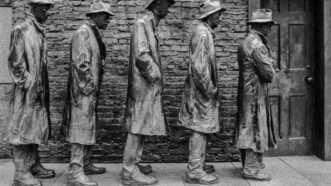
New York City Should Not Run a Grocery Store
If you think “everything-bagel liberalism” makes transit and affordable housing projects expensive, wait till you see what it does to the price of literal everything bagels.
Kroger-Albertsons Merger Halted by the Federal Trade Commission
The Federal Trade Commission's antitrust action does not benefit grocery shoppers.
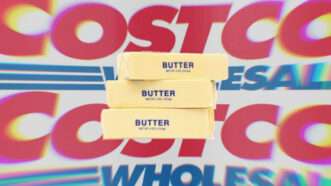
FDA Recalls 80,000 Pounds of Costco Butter Over Missing Milk Allergy Warning
Apparently consumers are too stupid to know that butter contains milk.
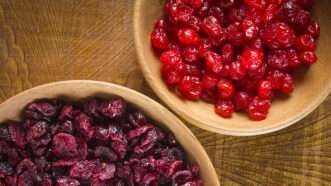
Cherries Are 'Unhealthy,' Says the Same Government That Once Pushed Low-Fat Pop-Tarts
The FDA’s latest nutrition rules target dried cherries and cranberries, putting small farmers at risk while offering zero benefits to consumers.
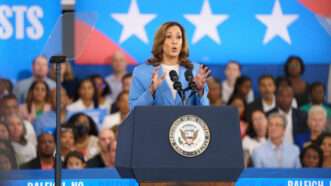
Kamala Harris' 'Price Gouging' Ban: A New Idea That Has Failed for Thousands of Years
A half-baked idea that is just as dubious as Donald Trump's tariffs.
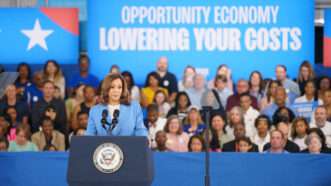
Kamala Harris' Dishonest and Stupid Price Control Proposal
Government intervention caused inflation, and it threatens to make matters worse.
Harris Joins the FTC's Food Fight Against Kroger-Albertsons Merger
Amid rising grocery costs, the FTC's fight against the merger may end up hurting the very consumers it's supposed to protect.
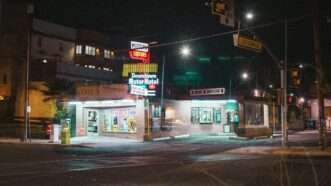
Grocery Store Booze Doesn't Hurt Mom-and-Pop Stores
But 11 states still forbid wine from being sold in grocery stores anyway.
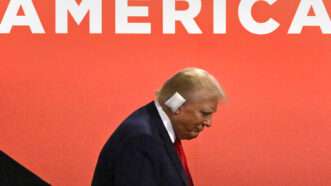
Republicans Hammer Biden on Inflation. But Do They Have a Better Plan?
Opening night of the Republican National Convention programmed a central issue with a Trumpian twist: "Make America Wealthy Again."
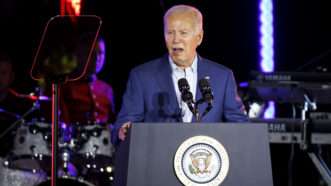
Biden Keeps Blaming Others for His Economic Mistakes
The president has tried to shift blame for inflation, interest rate hikes, and an overall decimation of consumers' purchasing power.
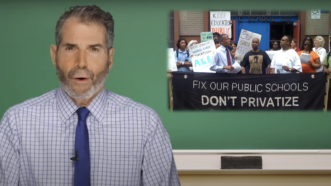
This New York Charter School Is Helping Low-Income Students. But the City Is Holding It Back.
Government school advocates say competition "takes money away" from government schools. That is a lie.
Trump Promised To 'Drain the Swamp.' He Did the Opposite.
Total spending under Trump nearly doubled. New programs filled Washington with more bureaucrats.
Big Beer vs. Canned Cocktails in the Grocery Aisle
Uncovering Big Beer’s crafty campaign to limit consumer access to canned cocktails.
San Francisco Bill Would Let People Sue Grocery Stores for Closing Too Quickly
A proposed ordinance would empower people to sue supermarkets that close without giving the city six months' advance notice.
Trump and Biden Both Get Globalization Wrong
Free trade brings us more stuff at lower prices.