
Best Credit in the World
Plus: Rent freeze setback, AI misalignment, Bolshevik ridiculousness, and more...

Plus: Rent freeze setback, AI misalignment, Bolshevik ridiculousness, and more...
I will be one of the speakers.

The Congressional Budget Office says the inflationary consequences of the war will be felt well into 2027.
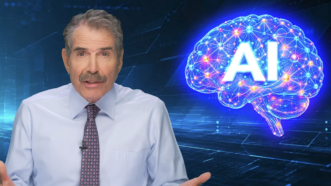
Anthropic's CEO wants federal regulation that would slow down AI (and his competitors' innovations). Has that ever worked?

Although the impact of the DHS rule "is likely to be catastrophic," a George W. Bush appointee writes, the government's rationale is "exceptionally weak."
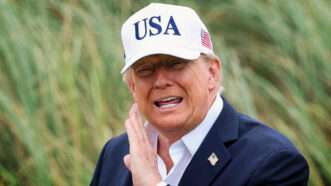
Tariffs won’t begin to fund the effort to purchase voters’ good will.
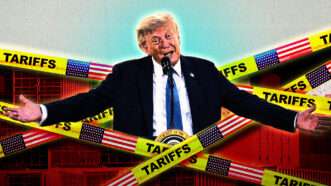
Their brief says the president is asserting "essentially boundless" authority to impose "economy-wide tariffs untethered from the statute Congress enacted."
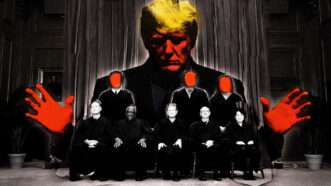
The president's latest tirade against recalcitrant justices reflects his open contempt for judicial review.
The Cato Institute, Michael McConnell, and I filed an amicus brief in litigation challenging Trump's massive Section 301 tariffs, which use "forced labor" as a pretext for sweeping protectionism.

How Wayfair, Taskrabbit, and Instacart simplify your transition to a new house or apartment
Why the major questions and nondelegation doctrines bolster the legal case against Trump's Section 338 tariffs.

Facing a 25 percent tariff threat, Seoul agreed to bankroll nuclear reactors and a Texas gas plant. The cost is already climbing past budget.

Economists Stephen Moore and Scott Lincicome debate tariffs as a foreign policy tool.

Canada's retaliatory tariffs include the little metal band that holds an eraser onto a pencil.

By quickly endorsing Trump's ridiculous plan to bribe voters in the midterms, J.D. Vance reveals something about the future of Trumpism. There isn't one.

After a week in Buenos Aires, I found Milei’s economic revolution is real—and deeply divisive.
Plus: Data center backlash, Anthropic job-loss predictions, and more...
The brief explains why the Section 122 tariffs are illegal and run afoul of the major questions and nondelegation doctrines.
Part of a Knight First Amendment Institute Symposium on Managing Government Employee Speech in a Democracy, which the Journal is publishing.
The move further escalates this harmful and illegal trade war with a vital ally.

The ban was accompanied by a new set of tariffs targeting Canadian motorboats, cheese, and other products in the latest expansion of an absurd trade war.
Unions do protect the jobs of existing workers and sometimes get them raises. But that protection kills jobs later.
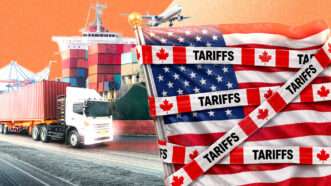
Plus: Capitalism blaming, desalination innovation, Houthis fire on Saudi Arabia, and more...
Labor Day is a great time to remember that we can make workers vastly better off by empowering more of them to vote with their feet, both within countries and through international migration.
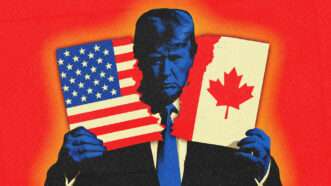
Americans have been widening the prosperity gap with our neighbors for years.
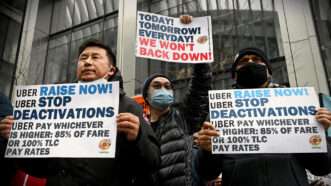
A federal judge temporarily blocked it from taking effect. But the legal fight is ongoing.
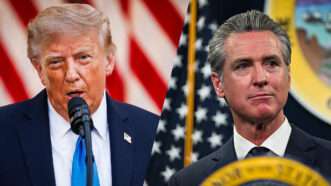
Some Democrats are licking their chops over other economic powers that Trump has claimed for the presidency.
As the president liberalized the market for beef, he also imposed new 50 percent tariffs on some $20 billion worth of Canadian goods. Americans will suffer.

Punishing a company for building the best product doesn't serve the businesses or users antitrust enforcers claim to protect.

State preemption worked for housing. It's unlikely to come to the rescue of incredibly unpopular data centers.

Fake wide receivers running scams, Djokovic bounced, Messi retires, The Giving Tree wasn't about stadium subsidies, and more…

American consumers and businesses are being taken advantage of by Canadians who are…offering to sell us aluminum, oil, and wood? How?
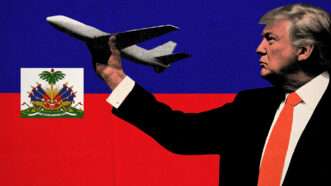
The Trump administration created 330,000 new illegal immigrants by revoking TPS from Haitians. It plans to deport just 10,400 per year.
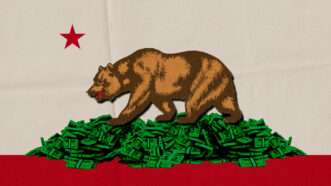
Pension changes passed in 2011 have saved California taxpayers from a fiscal crisis, but public sector unions are now pushing to undo them.
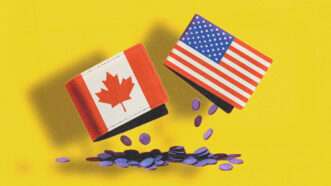
U.S. tariffs hurt Americans. Retaliatory tariffs will hurt Canadians.

Robby Soave and Christian Britschgi discuss tariffs, tech moral panics, social media harms, video games, Dolly Parton, Tim Curry, AI-written journalism, and America’s $40 trillion debt.
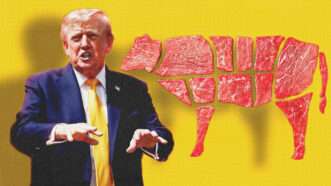
It will take more than three months to fix the problems plaguing the American beef industry.
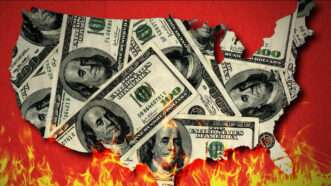
And both are hiding behind a lie of omission.
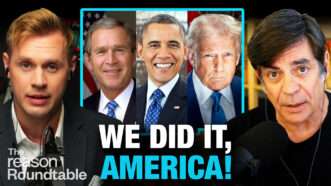
Plus: Trump's trade war with Canada, the growing backlash against data centers, and calls to censor journalists in Britain
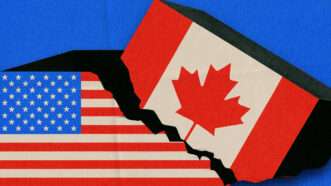
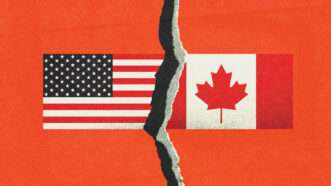
Canada is one of our largest trading partners. The president imposed 50 percent tariffs on cars, wigs, and hockey sticks.

Overpopulation panic is sooooo 20th Century! Welcome to the era of depopulation dread.


Occupational licensing raises costs and limits mobility without improving safety.
Section 338 is a long-defunct part of the notorious Smoot-Hawley Tariff Act of 1930.
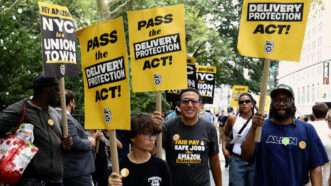
The misleadingly named "Delivery Protection Act" would require companies like Amazon and FedEx to directly hire employees for last-mile delivery, rather than contracting this service out to subcontractors.
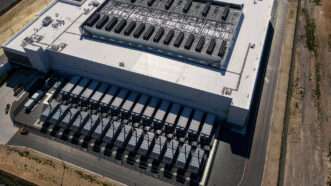
Their few defenders often misunderstand their benefits.
Celebrate your independence with a subscription to Reason magazine, your most trusted source of honest, insightful news and analysis.




