
Trump's Dismissed Epstein Letter Lawsuit Is the Latest Example of His Failure To State Cognizable Claims
The president's defamation case against The Wall Street Journal fits a pattern of frivolous litigation aimed at punishing speech that irks him.

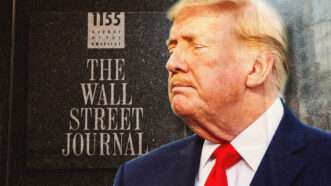
The president's defamation case against The Wall Street Journal fits a pattern of frivolous litigation aimed at punishing speech that irks him.
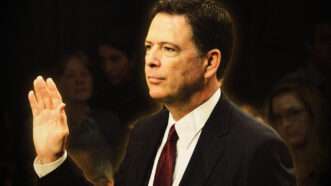
Prosecutors allege that the former FBI director illegally disclosed classified information in 2016—an incident that was investigated twice without resulting in charges.
His Elizabeth Holmes documentary, You Can See Everything, is a deeply unethical piece of filmmaking.
Information regulation is not the way to stop online hoaxes. But that doesn’t mean we should stop searching for the truth.
Do as he says, not as he does.
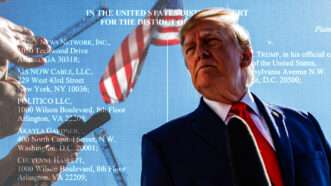
U.S. District Judge Timothy J. Kelly granted a preliminary injunction to CNN, MS NOW, and Politico, which Trump banned from the White House because of their "purposely negative stories."
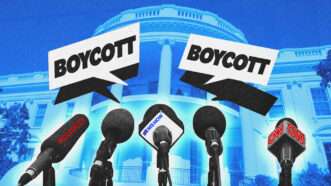
The antitrust investigation adds another layer of bullying to Trump's vendetta against "Fake News Media Outlets."
The president stands out from his modern predecessors by openly displaying his contempt for the First Amendment.
Attorney General Todd Blanche, who complains that CNN's coverage is "almost 100 percent negative towards the president," also has trouble keeping the story straight.
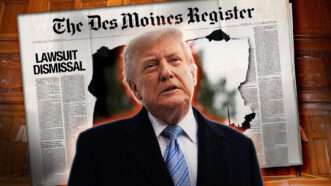
The dismissal of the president's lawsuit against The Des Moines Register is a victory for freedom of the press.
U.S. District Judge Timothy J. Kelly is skeptical of the belated "national security" rationale for banning CNN, MS NOW, and Politico from the White House.
Plus: Manhole climbers, Beshear mulling 2028 run, God bless the commenters, and more...
The president hopes that post-hoc rationalization will override due process and freedom of the press.
The president has a long history of retaliating against journalists who offend him.
In a federal lawsuit, CNN, MS NOW, and Politico argue that Trump's bans violate due process and freedom of the press.
Plus: School segregation, ICE shooting, Cuban Americans envision the future, and more...
Although the impact of the DHS rule "is likely to be catastrophic," a George W. Bush appointee writes, the government's rationale is "exceptionally weak."
At the GOP midterm convention in Dallas, looking for answers meant an unexpected escort, a Palestine-Mexico protest flag, and a front-row seat to the spectacle.
Hawkish pundits predicted both wars would be swift and successful. That's not how it turned out.
Plus: the escalating war with Iran, Meta's $17 billion settlement, and Milo Yiannopoulos gets deported.

Plus: Gustavo Gordillo's lies, measles among the Amish, Milo Yiannopoulos deported, and more...
The FCC chairman is punishing the network for news coverage and programming decisions that offend the president.
Politicians respond to tragedy by demanding more regulation of journalism.
The new media seat was a good idea.
The judge concluded that a high school student's privacy interests trumped freedom of the press.
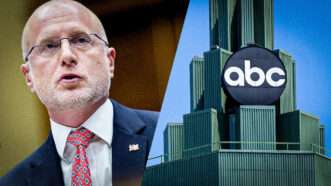
The FCC chairman thinks the "public interest" standard is a license to interfere with freedom of the press.
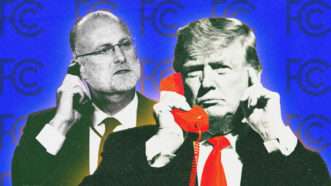
FCC Chairman Brendan Carr seems to think TV stations are legally obligated to please the president.
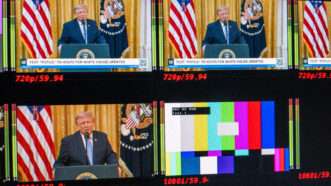
As someone should have explained to him by now, that's not how it works.

The judge contradicted Supreme Court precedents by ruling that a student's "privacy interests" trumped "the severe constitutional presumption" against prior restraints.
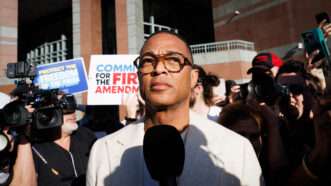
After a magistrate judge said a DHS investigator had failed to establish probable cause, the government decided it did not need the YouTube and iPhone records after all.
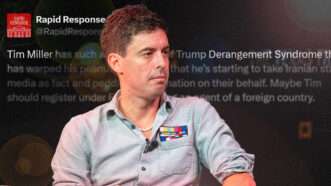
The Trump administration invokes the notoriously vague FARA to threaten a critic.

The Pentagon instituted its new press rules in the fall, prompting a months-long legal battle over the First Amendment.
Nominees include stories on America's gerontocracy, the war on chocolate, how Texas beat California on housing, and more.
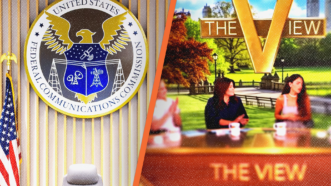
The FCC chairman seems determined to impose a requirement that would amount to a ban on interviews with political candidates.
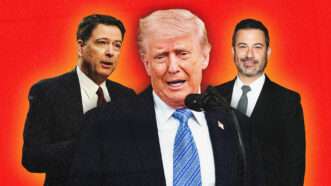
The president is not shy about using government power to punish people for saying things that offend him.
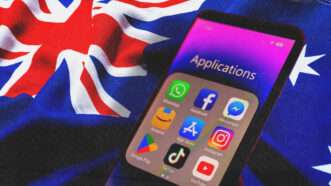
A new bill would compel Meta, Google, and TikTok to pay for Australian journalism.
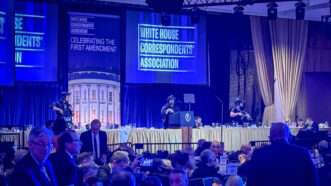
Gunman subdued at security checkpoint.
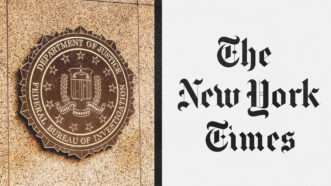
The bureau reportedly investigated the author of a New York Times story that made FBI Director Kash Patel look bad.

America is a global empire that needs information about itself in order to function.

Aerochrome photography is a beautiful example of a warlike technology being turned toward peaceful ends.

Before it was history, the Declaration of Independence was news. Not everyone got the story right.
In the guise of investigating "potentially unlawful advertiser boycotts," the commission is punishing the organization for its views.
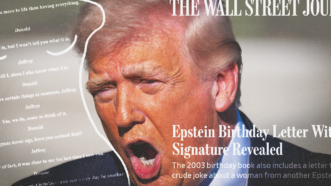
Trump's failure to properly allege "actual malice" is consistent with his long history of filing shaky legal claims against people who say things he does not like.

Free speech lawyers say UNC violated North Carolina’s institutional neutrality law.

The feds have arrested an Army staffer who spoke to a journalist for a book about special operations. The journalist says it's retaliation for exposing corruption.
Despite its rejection of the Biden administration's interference, the Trump administration is still asserting authority over online speech.
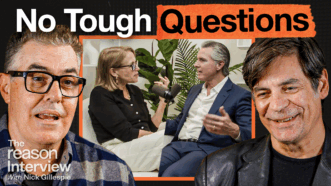
Comedian Adam Carolla discusses how soft journalism destroys media credibility, why California is losing residents, and the importance of meritocracy.


New from Reason: a look into what Javier Milei has accomplished and what it will take to make the most of Argentina’s window for real change. Out now for subscribers.

