
Interesting New Book on Unenumerated Rights in State Constitutions
Baby Ninth Amendments, by Anthony Sanders

Baby Ninth Amendments, by Anthony Sanders
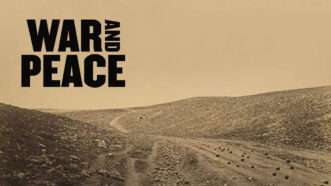
Pierre-Joseph Proudhon's most controversial book has finally been fully translated into English.

The book's 12 thematic chapters are dense and rich—like flan, but good.
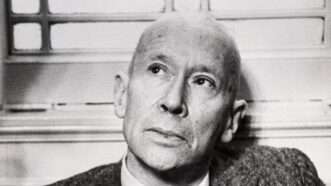
His most popular book, The Enormous Room, was recently reprinted for its 100th anniversary.
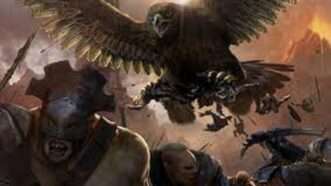
Economist Bryan Caplan explains how standard socialist complaints about free markets are similar to longstanding fan claims that Tolkien's Giant Eagles didn't do enough in the war against Sauron.
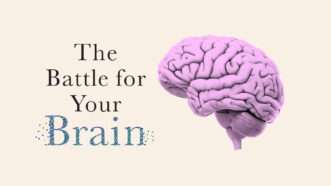
Nita A. Farahany's The Battle for Your Brain shows how neurotech can help, or hurt, human liberty.
Momfluenced bemoans unrealistic expectations set on American mothers but then establishes new ones.
The message of the new hit series cuts across conventional ideological lines - and features a highly skeptical view of government.
In a chaotic universe full of infinite realities where all choices are relative, individualism still matters.

Today's Star Wars fulfills the promise of the late '90s internet.
In Meme Wars, so-called "disinformation" experts call for the suppression of more ideas and speakers to protect democracy.
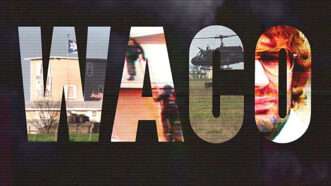
Historian Jeff Guinn's account focuses on the ATF's oft-overlooked fiasco in the 1993 affair rather than the FBI's widely reported involvement.

A new entrant in the anti-neoliberalism genre fails to land any blows.

War by Other Means tells the story of those conscientious objectors who did not cooperate with the government's alternative-service schemes.

Libertarian History/Philosophy
Freedom's Furies tells how three women offered their own unique defenses of individual liberty and how their disagreements anticipated the differences among libertarians and classical liberals today.
Samantha Cole's book is marred by vague animosity toward tech companies.

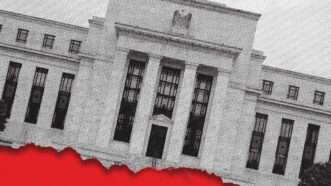
The Lords of Easy Money argues that the Fed created an economy with nearly irresistible incentives for foolish choices.

It's the story of a distant future where rich denizens meddle in the affairs of the past.

The consequences of our obsession with urban dystopias and utopias
A call for restricting immigration in The Culture Transplant accidentally makes the case for radical liberalization.
Sebastian Mallaby's The Power Law explores how venture capital and public policy helped shape modern technology.

The mysteries of the mind are harder to unravel than psychiatrists pretend.

The new book Inventor of the Future prefers to show him as a credit hog.
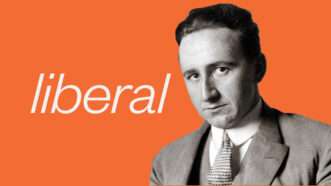
A new biography tells the story of the economist’s early life and career.

A call for restricting immigration accidentally makes the case for radical liberalization.
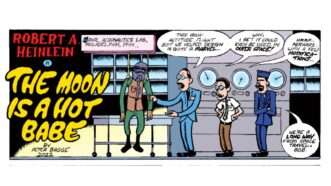
An aeronautical engineer considers writing a novel about a new start on the moon.

Weir's books take seriously the limits of human knowledge and planning when it comes to space travel.

Robots don't get cabin fever, develop cancer from cosmic radiation, miss their families, or go insane.

What does "longtermism" offer those of us who favor limited government and free markets?

What if our interplanetary future involved train heists, legal sex work, and a lot of running from the feds?
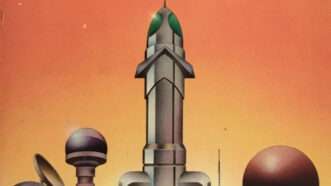
Reality has failed to match author Arthur C. Clarke's hopes.

Taking humanity from Earth to the stars isn't easy.
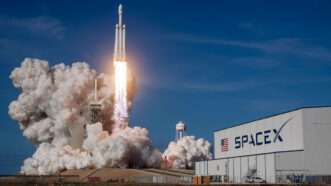
A new generation of companies has made space travel affordable.

Influential media critic Margaret Sullivan demonstrates the perils of letting narrative get ahead of verification.
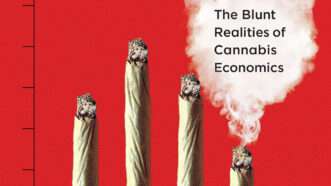
Extreme taxes and regulations are hampering legal marijuana markets.

It's the superpolitical vs. everyone else.

Tracer takes mind control to a new level.
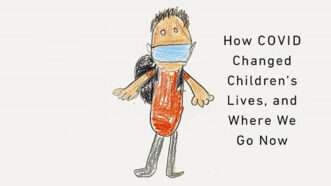
The Stolen Year acknowledges public school COVID failures but refuses to hold anyone responsible.
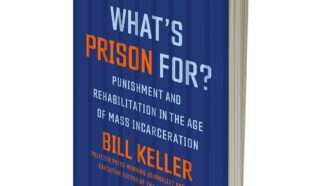
High recidivism rates are not surprising when life in prison features the same factors that drive crime.
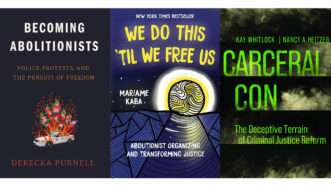
Libertarians have some common ground with the abolitionists—but if they insist on anti-capitalism as a litmus test, abolitionists will find themselves isolated and marginalized.

It's the economics of energy production that make petrostates more trigger-happy, Emma Ashford argues in Oil, the State, and War.

A wannabe prestige picture that works better as a pulpy mind-trip.
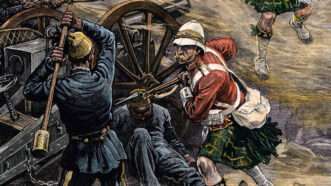
Caroline Elkins' book raises an important question for people today, particularly liberals—an issue that Elkins herself sidesteps.

It's early going. But the first episode is a promising start to HBO's prequel to the famous "Game of Thrones" series.
The Stolen Year acknowledges the public schools' COVID failures but refuses to hold anyone responsible.
Celebrate your independence with a subscription to Reason magazine, your most trusted source of honest, insightful news and analysis.




