
Whatever Evidence the DOJ Has Against James Comey, It Cannot Transform '86 47' Into a Death Threat
Acting Attorney General Todd Blanche implausibly claims prosecutors can prove Comey "knowingly and willfully" threatened to murder the president.

Acting Attorney General Todd Blanche implausibly claims prosecutors can prove Comey "knowingly and willfully" threatened to murder the president.
Around the world, governments are censoring speech with the stated goal of shielding youth from online harms.
U.S. citizens are being monitored and punished with technology meant to battle illegal immigration.
The president is not shy about using government power to punish people for saying things that offend him.
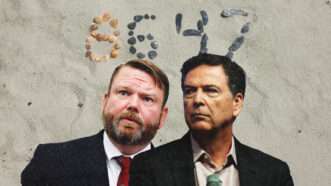
The case defies more than half a century of rulings on the “true threat” exception to the First Amendment.
European leaders' warnings of a democratic apocalypse failed to materialize in 2024.

The justice defends the Supreme Court as a model of respectful and principled adjudication.

Plus: Supreme Court pauses ban on mail-order abortion pills, TikTok's artistic merit, a defense of pickup artists, and more...
Jay Near was a hateful man whose litigation set a vital precedent for free speech.

So holds an Oregon appellate court.

Department of Homeland Security
Plus: FISA reauthorization, driverless trucks in California, and an Epstein suicide note.

The term “hate speech” gets thrown around a lot, but it’s legally protected in the U.S.

Plus: FISA reauthorization passes the House, a very capitalist museum, escalation in the redistricting wars, and more...
So reasons a Florida appellate court, though other courts in other states seem to take a different view.
Plus: The Supreme Court says “demands for a charity’s private member or donor information” raises First Amendment problems.
Jane and I lay out the structure of American defamation law, using the recent lawsuits brought by FBI Director Kash Patel as a launching point. Special bonus: Almost no discussion of New York Times v. Sullivan (an important case but one that listeners have doubtless heard much about elsewhere).
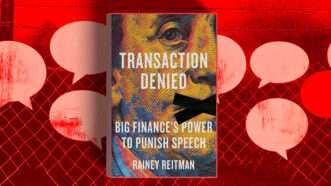
Financial censorship should worry us all, suggests Rainey Reitman in Transaction Denied.

Cars are already spying on drivers. A 2021 law requires manufacturers to install more tracking technology.
Plus: A dicey FISA reauthorization, kingly quips about burning down the White House, the world's narrowest tax breaks, and more...
"[S]tatements made to third parties can be 'directed at' the victim," and thus criminal harassment if they're repeated and likely to cause serious annoyance or distress, "when they are designed to provoke an adverse consequence against the victim."


"Geofence" searches illustrate the perilous combination of modern technology and deference to law enforcement.
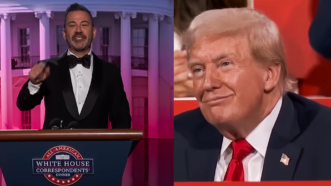
When he returned to the White House, Trump vowed to protect free speech from the government. The FCC's latest move against ABC and Disney looks like the opposite.
The panel (by a 2-1 vote) stayed a district court order that, among other things, blocked the newly established escort requirement.

The government wants access to millions of cell phone location histories. The Supreme Court will decide what the Fourth Amendment allows.
But the judge suspends his decision pending appeal, so that the appellate court has "time to consider and decide the merits of this case, absent unnecessary procedural deadlines."
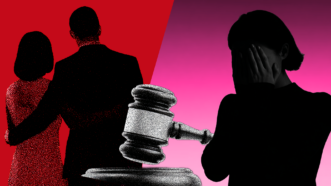
Some states still allow vengeful spouses to sue a third party for destroying their marriages.
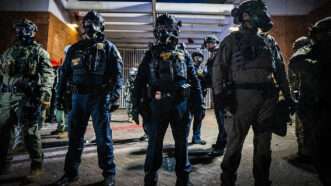
The feds have been demanding that tech companies identify the administration's anonymous online critics. That violates the First Amendment.


New from Reason: a look into what Javier Milei has accomplished and what it will take to make the most of Argentina’s window for real change. Out now for subscribers.

