There Is More Than One COVID-19 Infection Fatality Rate
The wide range of estimates reflects real variations as well as methodological differences.


The wide range of estimates reflects real variations as well as methodological differences.

Whitmer's argument is short on facts and legal reasoning.
Meanwhile, the case fatality rate is still falling.
We are starting to see the fatal consequences of the recent infection surge.
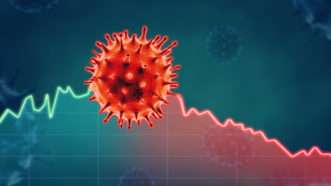
Expanded testing, a younger mix of patients, and improved treatment help explain the seemingly contradictory trends.

If the findings are true, that's really great news.
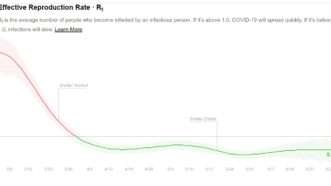
Trends in Massachusetts highlight the importance of voluntary changes in behavior.

The evidence suggests Americans are right to wonder.

The difference implies that the virus is much less deadly than it looks, but it also makes contact tracing a daunting challenge.

The trend, which may reflect growing defiance of social distancing in some age groups, implies a lower death rate.
The downward trend continued after states began lifting their lockdowns.

New infections are down nationwide but rising in some places as people rebel against government-recommended precautions.

Physician Marty Makary vs. epidemiologist Knut Wittkowski on whether "the lockdown saved hundreds of thousands, if not millions, of lives."

Physician Marty Makary vs. epidemiologist Knut Wittkowski on whether "the lockdown saved hundreds of thousands, if not millions, of lives."

The episode illustrates the perils of confirmation bias on both sides of the debate about disease control measures.

Two models suggest that broad restrictions had less impact on the epidemic than commonly thought.

Two models generate strikingly different estimates.

Control measures should be based on emerging evidence about the danger posed by the virus.
That rate is much lower than the numbers used in the horrifying projections that shaped the government response to the epidemic.

All of it, The New York Times assumes.

Studies from several countries find low infection rates.

The disease control agency is a poster child for bureaucratic incompetence.
The infection fatality rate probably varies from one place to another.
Estimates range from 70 to 10 percent.

The infection-fatality rate for COVID-19 in Indiana is 0.58 percent, nearly six times worse than seasonal flu.

If you think much about the epidemic remains uncertain, The New York Times warns, you might be part of "the virus 'truther' movement."

Andrew I. Friedson says they flattened the curve. Lyman Stone disagrees.
For each plausible theory, there are puzzling counterexamples.

When infection prevalence is low, a test with relatively low specificity can generate highly misleading results.
While official death tolls clearly underestimate the epidemic's impact, total mortality numbers can be misleading.

The preliminary results imply an infection fatality rate of 0.2 percent, similar to estimates from two California studies.

Lab testing and epidemiology suggest a dog days reprieve could happen.

California and New York coronavirus infection rate estimates differ substantially.

Are the California numbers wildly off, or is New York different in important ways?

Too many false positives, nonrandom study population, and infection fatality rates out of whack with other data, critics claim.

Trump: "We'll take a look at that. We're always willing to take a look."

Evidence that the virus is much less deadly than people feared weakens the case for maintaining lockdowns.
A New York Times analysis has little bearing on the infection fatality rate or the number of life-years typically lost to the disease.

Rough calculations from two preliminary population screening studies in California.

The tests indicate that the number of infections in the county is around 40 times as high as the number of confirmed cases.

This proposal might work, but it's doubtful that our politicians and president are competent enough to pull it off.

Possible really good news from a population screening antibody test study in Santa Clara County, California

Clarifying the prevalence and lethality of the virus will require wide testing that goes beyond a single rural county.

"The true number of infected people worldwide may already have reached several tens of millions," two University of Gottingen researchers say.

Good news from a population screening study

The number of Americans who have been infected by the virus, which seems to be much higher than the official tally suggests, is crucial to understanding how deadly it is.

Developing them ought to be the top priority right now.
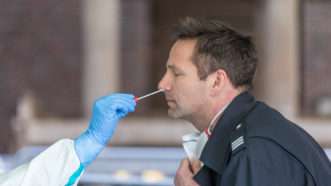
The failure to conduct early and wide testing left politicians ignorant of basic facts about the COVID-19 epidemic.
Celebrate your independence with a subscription to Reason magazine, your most trusted source of honest, insightful news and analysis.