
This App Protects Privacy While Tracing COVID-19 Infections
Stanford researcher Tina White and the new nonprofit Covid Watch are committed to protecting both individual rights and public health.


Stanford researcher Tina White and the new nonprofit Covid Watch are committed to protecting both individual rights and public health.
Mark Zuckerberg can't please the anti-tech populists on the left and the right, no matter what he does.

Apps that track users are being hyped as the way to lift lockdowns. But there are reasons to be skeptical.
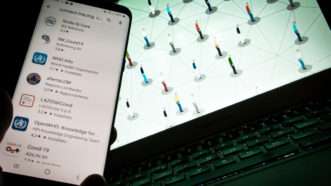
Contact tracing might offer hope for slowing the spread of the pandemic—or fulfill every Big Brother-ish fear privacy advocates have ever raised.

The video was appalling, but it does not constitute a safety threat.

Plus: Drudge challenges Trump on traffic claims, France taxes links, COVID-19 in Ohio prisons, and more...


The congresswoman claimed that Amazon is "refusing to provide basic protective equipment to workers." That's not true.
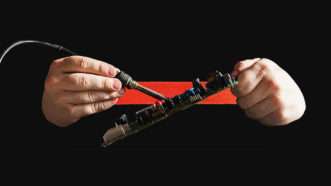
They trade tips and manuals through a decentralized information-sharing network. Biomedical technicians say it's the fastest and easiest way to get life-saving information.
She posted on social media about deliberately spreading the disease, but she's not actually sick.

These theories are dumb. Destroying 5G infrastructure is not going to prevent the spread of COVID-19.
Desperate for revenue, online outlets try to use a crisis to overrule their customers’ judgment.
Plus: Court upholds Texas abortion ban, Americans say they're choosing to stay at home, a doctor's view on hydroxychloroquine, and more...
A global pandemic has done what 30 years of internet manifestoes never accomplished: a mass migration into our screens.

They were mocked for sounding the alarm. Now they're the ones providing the solutions.

The biggest thing our institutions could do to stop the spread of COVID-19 misinformation would be to spread less misinformation themselves.


Law professors Tim Wu and Richard Epstein went head to head at a live event.
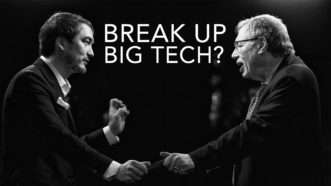
Tim Wu vs. Richard Epstein on whether antitrust laws should be applied to firms like Amazon and Facebook.
The new bill takes aim at internet freedom and privacy under the pretense of saving kids.
Will coronavirus help rehabilitate tech's rep?

The EARN IT is an attack on encryption masquerading as a blow against underage porn.
"Google is not now, nor (to the Court's knowledge) has it ever been, an arm of the United States government," wrote District Judge Stephen Wilson.
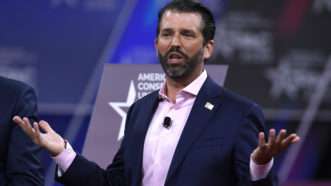
Some panelists at the conservative conference want to give the government more power over social media.
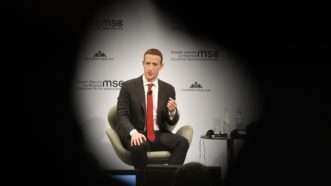
In Facebook: The Inside Story, even Steven Levy’s most generous conclusions about the tech giant are still pretty damning.
Government officials keep trying to make us expose our data to them—and the criminals who ride on their coattails.

The conservative nonprofit Prager University alleged the company should not be allowed to place its videos on "Restricted Mode."
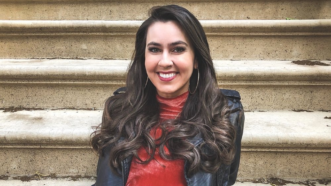
The New York Times technology reporter is revealing how social media is encouraging individual expression.
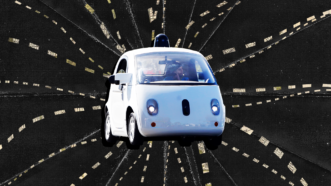
The hacking wunderkind thinks Big Tech's approach won't work. He built a $999 autonomous driving system that runs on a smartphone.

Nobody is being misled by this obviously joking debate clip. But this sort of ginned-up outrage will be used to target political opponents.
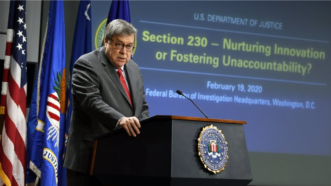
How the press learned to stop worrying and love censorship.

"A good science fiction story can help re-sensitize us" to the peril and promise of the new.

Critics say the long-running satiric cartoon has created "a generation of boys" who are smug and disengaged.

Government wants to force social media platforms to accept a “duty of care” to protect users from whatever they deem harmful.
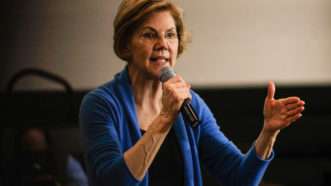
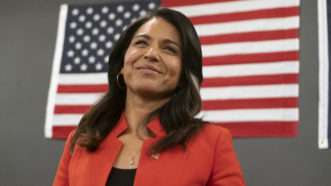
"We need to stop this generation of big tech companies from profiting off of lies to the American people," the candidate told PEN America.
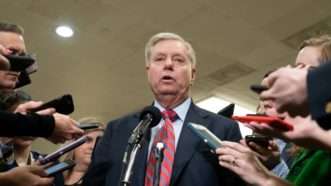
Online platforms would have to "earn" speech protections by compromising encryption—all in the name of fighting child porn.
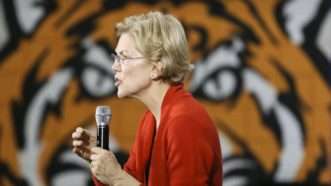
When politicians call to punish “disinformation,” we should worry about what that definition encompasses.

But without specifying an actual cybersecurity risk, the policy comes off looking like a wasteful protectionist maneuver that will likely put human pilots back in riskier situations.

The internet has turned adult performers into media entrepreneurs.

No, Californians aren't banned from showering and doing laundry on the same day. But the fact that so many people believed that lie says something about how insane the state's real water laws are.
"I don't think you should do Twitter if you think you're better than Twitter."
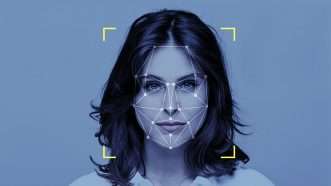
Some privacy activists say the bill still falls short.
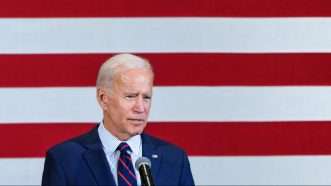
Biden tells the New York Times he would revoke Section 230 protections and hold Facebook (and other sites) liable for their content.
Don’t worry—America’s ruling factions still disagree over who should be in charge of the snooping.
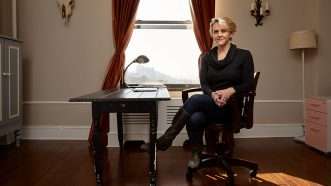
"If 2018 was the year that the concept of 'cancel culture' went mainstream, then 2019 may be the year that cancel culture cancels itself."
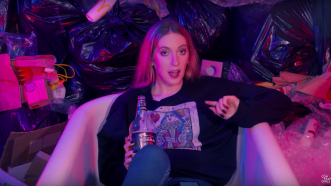
"I have no faith left in call-out vigilante justice."

Media theorist Marshall McLuhan's work best explains how the world changed in the 2010s—and what we can expect in the decade ahead.
Celebrate your independence with a subscription to Reason magazine, your most trusted source of honest, insightful news and analysis.




