

Science & Technology

Photo: These Lenses Can Slow the Progression of Nearsightedness
While Europe and Asia have had Stellest glasses for years, the FDA finally approved them for the U.S. in 2025.
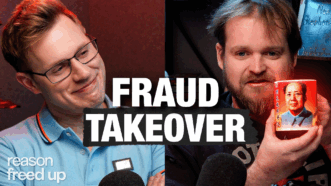
Minnesota Daycare Fraud, Mamdani's Takeover, and the X-Men Movies
Robby Soave and Christian Britschgi discuss Nick Shirley's viral video about Minnesota day care fraud, then dig deeper into how Tim Walz has little respect for American taxpayers.
Study: Short-Form Video Isn't Rotting Your Brain
A recent meta-analysis concerning short-form video, mental health, and attention spawned a lot of tech panic. Did critics even read the study?

These Companies Want To Use AI To Make Cheaper and Cleaner Energy—If the Government Lets Them
Don't blame AI for your high electricity bill. Blame the politicians who are trying to take AI away.

The TRUMP AMERICA AI Act Is Every Bit As Bad As You Would Expect. Maybe Worse.
Sen. Marsha Blackburn’s latest is an anti-tech omnibus, combining years' worth of dangerous policy ideas into one big, bad bill.

The Data Center Price Myth
Rising electricity prices are being pinned on data centers, but demand isn’t what makes power expensive.

Deplatforming Backfired
Progressive censors failed to suppress our political demons. It's finally time to confront them.

White Male Discrimination Is the FBI's AI Data Center
Robby Soave and Christian Britschgi are back to break down another unhinged week in the news.

He's Serving 5 Years in Prison for Bitcoin Privacy Software
Keonne Rodriguez explains why he built a bitcoin privacy tool, discusses the federal charges that sent him to prison this week, and warns that his case could redefine the legal boundaries of financial privacy.
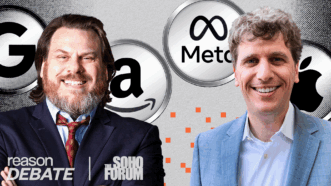
Is It Time To Break Up Big Tech?
Matt Stoller and Geoffrey A. Manne debate antitrust law and Big Tech.

Review: Tron: Ares Reminds Us That Artificial Intelligence Is Not the Enemy
It's the humans who develop and use AI for malicious ends, not the tech itself, who should worry us.

This Tennessee Man Spent 37 Days in Jail for Sharing an Anti-Trump Meme. He Says the Cops Should Pay for That.
Larry Bushart's lawyers argue that his arrest for constitutionally protected speech violated the First and Fourth amendments.
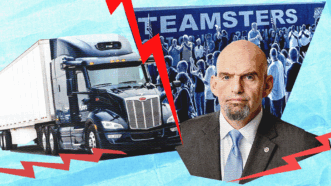
The Teamsters Want To Keep Transportation Costs Higher
The union isn't pro-growth or pro-consumer. It's a lobby for workers.

Bernie Sanders Wants To Pause New Data Centers To Stop the Economy From Growing Too Much
The socialist senator wants a moratorium on new data centers to slow the AI and robotics industries down.
Governments Are Pushing Digital IDs. Are You Ready To Be Tracked?
Proponents say such IDs will make life easier and protect kids from dangerous content. But opponents worry they will make you much easier to target.
Porn Sites Must Block VPNs To Comply With Indiana's Age-Verification Law, State Suggests in New Lawsuit
It's an insane—and frighteningly dystopian—interpretation of the law.
Did the Internet Break Our Sense of Reality?
Katherine Dee examines how living online reshapes attention and behavior and makes the case for a more grounded, realistic way of using digital tools.
Reason Vs. Breaking Points: Does Big Tech Do More Good Than Harm?
Reason's Robby Soave and Elizabeth Nolan Brown go head to head with Emily Jashinsky and Ryan Grim from Breaking Points in a thought-provoking debate about Big Tech.
Even Trump's Supporters Are Slamming His Post About Rob Reiner's Murder
The president failed a not particularly challenging moral test.

Localism and the Limits of Regulating What We Love
When the perceived emotional harm from new development becomes a justification for state intervention, the law gets really arbitrary really quickly.
Should Libertarians Support Federal AI Regulation?
Plus: reclassifying marijuana as a Schedule III drug, mass shootings at Bondi Beach and Brown University, and the U.S. seizes a Venezuelan oil tanker

Young People's Mental Health Is Improving. Tech Alarmists Take Note.
Depression and anxiety are declining, adding yet more complications to the anti-smartphone and anti–social media narratives.

Americans Need More and Better 'Third Places.' User Fees Can Help.
As traditional gathering places disappear, market-based funding could expand parks, courts, and other spaces that help people reconnect without raising taxes.

Nepal's Socialist Government Banned Social Media, So Activists Plotted a Revolution—on Discord.
The country's transition leader was selected not at the ballot box but on a 100,000-person Discord chat.

Donald Trump Tries To Override State AI Regulations via Executive Order
Only time will tell if the president's order achieves its stated purpose of checking state laws that threaten to stymie innovation.
RFK Jr.'s Airport Gym Woke Font Abolition
Robby Soave and Christian Britschgi bring you another episode of Freed Up where they talk about RFK Jr.'s airport pull ups, prison gangs, welfare fraud, Avatar, and the most based fonts.

Google, SpaceX, and Blue Origin Plan To Put AI in Space. Will It Produce Skynet or Untold Economic Abundance?
NIMBY opposition is forcing some Big Tech companies to consider locating their data centers in space.

CBP Agents Held This U.S. Citizen for Hours Until He Agreed To Let Them Search His Electronic Devices
A federal lawsuit argues that the agency's policy of perusing travelers' personal data without a warrant or probable cause violates the Fourth Amendment.
Want To Vacation In America? Trump Wants To See Your Social Media Posts First.
The move is bad for free speech and bad for American businesses that depend on tourism.

These Researchers Are Turning Plastic Waste Into Fuel
Recent innovations could help address plastic pollution.

The Free Market Can Connect Rural America Faster Than the Government
Private innovation is connecting rural America faster than Washington’s $42 billion broadband program.
Reason Is Independent. Help Us Stay Loud. Donate!
Everyone is panicking about media consolidation. No need to worry—we have a solution.

French Study on mRNA COVID-19 Vaccines Finds a Drop in Severe COVID—and No Increase in Deaths
Vaccinated adults had a 74 percent lower risk of dying from COVID-19—and a 25 percent lower risk of dying, period.
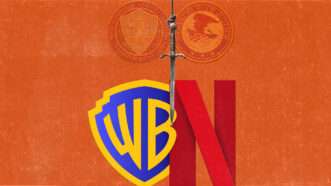
Warner Bros. Accepts Netflix's $83 Billion Bid, but Antitrust Threats Still Loom
If antitrust regulators allow the deal to go through, consumers stand to benefit from a less expensive Netflix–HBO Max bundle.

X Gets Fined
Plus: Netflix buys Warner Bros., the tradlife really can be yours, baby slop on YouTube, gender insanity in Oklahoma, and more...

The Cyberselfish Revival Shows Libertarianism Continues To Be Misunderstood
What's wrong with Big Tech isn't the fault of libertarianism.

Leaving AI Regulation to the States Could Strangle AI
Without federal preemption, a regulatory thicket of state AI laws threatens to slow the technology's development.

Why Are 38 Percent of Stanford Students Saying They're Disabled?
If you get into an elite college, you probably don't have a learning disability.
SCOTUS Tackles Illegal File Sharing, Internet Music Piracy, and Copyright Law
Plus: It’s webathon time.

Chatbots Are Not Medical Devices
Why does the FDA want to regulate AI wellness apps?
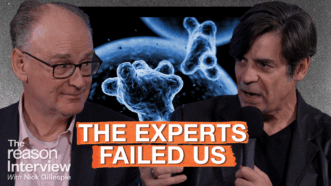
Why Science Lost Its Way
Author Matt Ridley examines how science became centralized and dogmatic, why public trust collapsed during COVID, and how open dissent is essential to restoring credibility.

No One Left Alive
Plus: Vaccine committee meets, privatizing air traffic control, the digital land as a fairy-tale realm, and more...
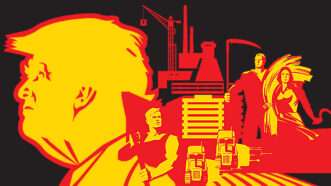
Republican Socialism: Trump Is Taking Federal Stakes in Private Companies
The Trump administration's pivot toward socialism did not come without warning.
Lawmakers To Consider 19 Bills for Childproofing the Internet
KOSA is back, along with more than a dozen other bills that will erode free speech and privacy in the name of protecting kids.
The 'Free' World Is Coming for Your Private Messages
Nobody expects China or Iran to protect privacy. But as seen in the European debate over chat control, even nominally free countries are becoming intrusive when it comes to the digital world.

Our Obsession With Statistical Significance Is Ruining Science
A forgotten Guinness brewer's alternative approach could have prevented 100 years of mistakes in medicine, economics, and more.
