
Neil Gorsuch Urges Supreme Court To Correct 2 Wrong Turns That Undermined Civil Liberties
The justice criticizes the Court’s endorsement of coercive plea bargaining and its embrace of dubious Fourth Amendment doctrines.

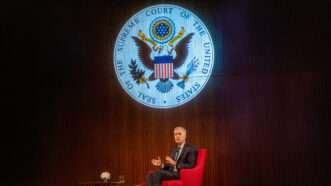
The justice criticizes the Court’s endorsement of coercive plea bargaining and its embrace of dubious Fourth Amendment doctrines.
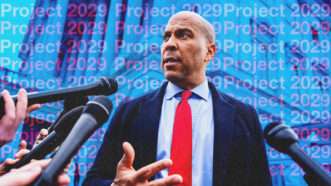
Semafor reported on Project 2029’s "Kids Over Clicks" proposal, which outlines Democrats' plans to regulate social media and AI companies.
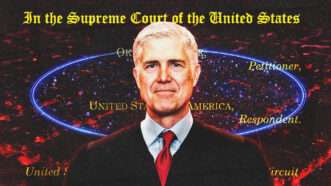
The justice argues that the "reasonable expectation of privacy" test and the third-party doctrine are indefensible in theory and unworkable in practice.

Federal law can punish true threats, and doxing intended to facilitate violence. But this woman simply named a government agent, which is not a crime.

Plus: A federal flip-flop on AI innovation, the beauty of America as seen through World Cup tourists' eyes, and more...

When I got pregnant, my quest for optimization got weirder and more wonderful.
AI doctors are bringing affordable medical care to Utah. Skeptics are now trying to slow it down.

Rescheduling marijuana will make it easier to study a drug that tens of millions of Americans already use.

Anthropic and OpenAI may not like current federal controls on their products, but it will be consumers who end up getting screwed.

Pamela Hobart of G.T. School says a lot of schools are lying to parents.

Jack Clark discusses Anthropic's regulatory fights, the possibility of recursive self-improvement, and how AI could reshape the economy.
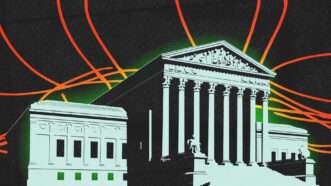
The Supreme Court could be poised to decide whether it's you or Big Tech companies.

The court said the law—which would require age verification for everyone—constitutes only a “marginal burden” and "does not raise meaningful concerns about muting valuable protected discourse."

After burning through interceptors in the Iran war, the U.S. faces a dire math problem: Enemies can build drones faster than America can build missiles.

The Vermont senator's American A.I. Sovereign Wealth Fund Act would also create an entirely new regulatory regime for the tech industry.

Anti-technology activists have blocked the adoption of Golden Rice, which is genetically enhanced to produce the vitamin A precursor beta-carotene, for over two decades.

The recently reintroduced American Innovation and Choice Online Act is a departure from America’s current antitrust regime, not an improvement.

The U.K. says tech companies have three months to stop minors from sending or receiving nude images—and universal identity checks for phone users may be the only way forward.

Government agencies would have to report communications and could be sued for bullying.
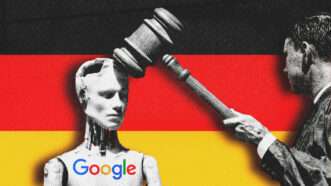

A proposed FCC rule would require Americans to share more personal information with phone service providers. Bye, bye burner phones?

Congress cannot sit by and hope for AI to fix the deficit.

Britain is following Australia into a policy that has already struggled to keep children off social media, while forcing adults through intrusive age checks.

The government says this is about national security. But given the history—and ongoing litigation—between the White House and Anthropic, something more may be going on.

Growing economies benefit all people, not just the uberwealthy.

The JAWBONE Act would let Americans sue government officials who try to restrict their speech by pressuring social media platforms, broadcasters, or AI companies.
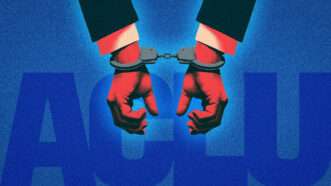
Police arrested and charged Robert Dillon with a heinous crime based on nothing more than a faulty image search.


The FDA's burdensome regulatory process has throttled sunscreen innovation.

A new NBER study suffers from the same flaws plaguing previous research on phones and fertility rates.

A market-friendly ruling party, abundant energy, and ample talent could jumpstart a new tech hub in the Himalayas.

A lack of comprehension and sloppy language make a mess of a new tax scheme.

The Outer Space Treaty and other legal obstacles could block our sci-fi future.

Plus: Trump watches the Knicks, H-1B fee ruling, Mormons off the list, and more...

Today's anxieties about digital culture are prefigured in the long and wobbly history of books.

Plus: What California's election results tell us, the economic costs of war with Iran, and the push to nationalize AI

The court unanimously ruled that penile plethysmography is unreliable and inadmissible as evidence of recidivism risk.
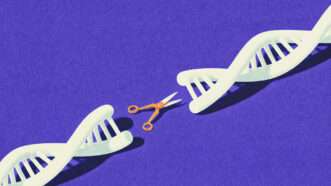
Gene-editing human embryos may now be a reality.

Don't impose a moratorium. Produce more energy.


The screen time advisory reveals why we don’t need a surgeon general.

As data centers dominate public debate, two states reveal their approach. Texas has taken a stance in line with market needs, while North Carolina reacts to fear and bad press.

The Israeli government is willing to phase out U.S. financial grants. But Mike Rogers and Tom Cotton want to lock in other forms of aid—without a debate in Congress.

An earlier project already led to a 95 percent drop in biting females of one disease-carrying species in Fresno.

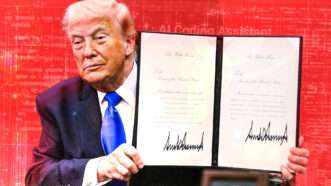
Donald Trump wants to give it a little more control. Bernie Sanders wants to give it a lot.
Celebrate your independence with a subscription to Reason magazine, your most trusted source of honest, insightful news and analysis.




