
TikTok Gets 9 Months
Plus: Masking protesters, how Google Search got so bad, Columbia's anti-apartheid protests of the '80s, and more...


Plus: Masking protesters, how Google Search got so bad, Columbia's anti-apartheid protests of the '80s, and more...
Science can detect increasingly small particles of plastic in our air and water. That doesn't mean it's bad for you.

Certificate of need laws were supposed to ensure high-quality health care in rural places. Instead, they allowed hospitals to veto potential competitors.
I'm the DEA's poster child for prescription stimulant abuse: a 30-something adult who needs a telehealth psychiatrist and can't remember what day the garbage truck comes.
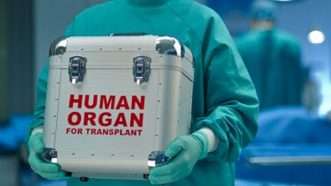
Giving kidney donors a $50,000 tax credit isn't as good as full legalization of organ markets would be. But it would still be a major step in the right direction.

Science can detect increasingly small particles of plastic in our air and water. That doesn't mean it's bad for you.

The author of The Anxious Generation argues that parents, schools, and society must keep kids off of social media.
The CDC’s numbers show that pain treatment is not responsible for escalating drug-related deaths.

Despite their informal nature, those norms have historically constrained U.S. fiscal policy. But they're eroding.
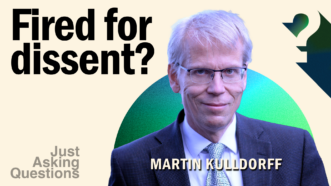
Martin Kulldorff talks about his dismissal from Harvard Medical School, persisting college vaccine mandates, and surviving COVID-era censorship on the latest episode of Just Asking Questions.

The author of Bad Therapy argues that we have created a generation of "emotional hypochondriacs."


The government still blames the private sector despite its own role in creating, exacerbating, and prolonging the shortage.

Potentially good news for the nearly 100,000 Americans on the transplant waiting list.
Only 22 of the 476 studies in The Anxious Generation contain data on either heavy social media use or serious mental issues among adolescents, and none have data on both.

After botching COVID test approvals, the Food and Drug Administration wants power over thousands of other tests.
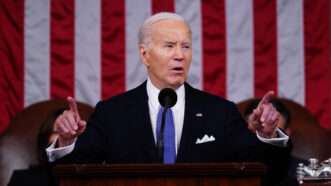
Neither presidential candidate is willing to back the reforms necessary to close the gap between revenue and benefits.

Examining the mixed legacy of a fighter for patient autonomy.


The pandemic showed that America's founders were right to create a system of checks and balances that made it hard for leaders to easily have their way.

In the name of safety, politicians did many things that diminished our lives—without making us safer.

The Biden administration’s social media meddling went far beyond "information" and "advice."
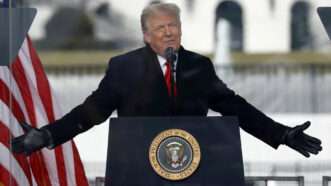
The newspaper portrays the constitutional challenge to the government's social media meddling as a conspiracy by Donald Trump's supporters.

William Barr and John Walters ignore the benefits of legalization and systematically exaggerate its costs.

Maternal health care has actually improved substantially in many areas.

The judicially approved Brookline ban reflects a broader trend among progressives who should know better.

The government needs to cut back on spending—and on the promises to special interests that fuel the spending.

A new report from the Government Accountability Office finds that two-thirds of government-owned buildings haven't been inspected for asbestos in at least five years.

Allowing surrogacy brokers to be paid is good. Allowing surrogates themselves to be paid would be better.

Bryan Johnson, venture capitalist and founder of Blueprint, discusses his $2 million a year effort to reverse aging on Just Asking Questions.
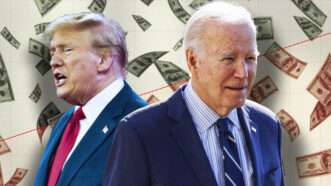
"I'm concerned about a Trump-Biden rematch," argues Riedl. "You have two presidents with two of the worst fiscal records of the past 100 years."

I shouldn't have to spend so much money on an accountant every year. But I don't really have a choice.
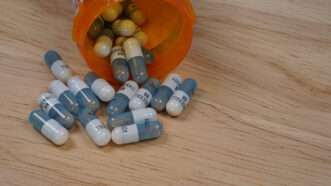
The DEA is cracking down on manufacturers, hurting patients who genuinely need those drugs.

A Biden administration ploy could give the federal government control over drug prices.
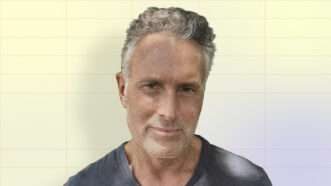
Philip Esformes was sentenced for charges on which a jury hung. After receiving a commutation, the federal government vowed to try to put him back in prison.

Medical professionals are often unaware of the relevant research on the relative risks of tobacco products, and that can matter for public health.

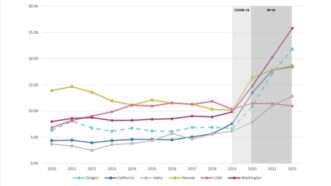
Recent research finds "no evidence" that it did, undermining a key claim by critics of that policy.
Plus: A listener asks if the state of Oregon’s policy on drug decriminalization should be viewed as a success.
The Biden administration's interference with bookselling harks back to a 1963 Supreme Court case involving literature that Rhode Island deemed dangerous.
The reality raises questions about the kind of future we want to leave for the next generation.

Health reporter Emily Kopp and biologist Alex Washburne discuss new documents that detail plans to manipulate bat-borne coronaviruses in Wuhan on the latest episode of Just Asking Questions.
When the government is systematically interfering with medical decisions, a non-opioid alternative may not actually increase treatment options.

The Things Fell Apart host Jon Ronson explains how a 1988 quack medical concept inspired George Floyd's death in 2020 and how Plandemic is basically a rewrite of Star Wars.

"There has been a deliberate attempt to inflame the public against experts," warned one Davos panelist.

Lab-grown chicken, vegan mac and cheese, animal-free ice cream, and more.


New from Reason: a look into what Javier Milei has accomplished and what it will take to make the most of Argentina’s window for real change. Out now for subscribers.

