
Kids Are Using NPR Podcast Comments as Secret Group Chats
Teenagers barred from social media are turning obscure corners of the internet into makeshift chat rooms.


Teenagers barred from social media are turning obscure corners of the internet into makeshift chat rooms.

A federal appeals court has permanently blocked the recruitment provision of Tennessee's "abortion trafficking" law.

Computers, video games, and the internet actually helped "restore childhood" in the 1990s, suggests psychologist Peter Gray in a new book. Then changes to our education system reversed those gains.

The book is part of a wider spate of "dirty" and "vulgar" books that authorities want yanked, including an educational book that mentions animal penis sizes and classic literature by authors like Tennessee Williams and Maya Angelou.

A new survey finds most teens use social media moderately, though class divides persist.


Tech companies may soon have to comply with yet another U.K. regulation.

It's coming faster than you might think.

Firing a toy gun out of a camera-covered robotaxi while underage drinking was never going to end well.
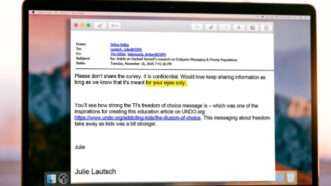
Here are the sketchy tactics California’s public health agency is using to convince towns and cities to ban tobacco sales.

The court said the law—which would require age verification for everyone—constitutes only a “marginal burden” and "does not raise meaningful concerns about muting valuable protected discourse."

The U.K. says tech companies have three months to stop minors from sending or receiving nude images—and universal identity checks for phone users may be the only way forward.

State health officials scouted towns, scripted hearings, recruited teen witnesses, and celebrated each ban as a "win."

The screen time advisory reveals why we don’t need a surgeon general.

On the subject of tobacco harm reduction, the former commissioner let his emotions override his avowed commitment to following the science.

Plus: Supreme Court pauses ban on mail-order abortion pills, TikTok's artistic merit, a defense of pickup artists, and more...

Plus: Wisconsin governor vetoes porn age-check bill, more charges for penis protester, the Komodo dragon theory of social media, and more...

Kathy Hochul’s proposed levy would deter smokers from switching to a much less dangerous habit.

Plus: Meta and Google found liable, what the verdict means, an OnlyFans-style campaign website, and more...
Meta's loss in a New Mexico "product design" case could also be a blow against Section 230, free speech, and online privacy.

Gov. Mikie Sherrill called Big Tech worse than Big Tobacco before proposing measures to regulate social media platforms.

“Both abstinence and excessive use can be problematic,” researchers suggest.


In the first social media addiction case to reach a jury, K.G.M. claims TikTok, YouTube, and other platforms are responsible for her depression, anxiety, and poor self esteem.

It's an insane—and frighteningly dystopian—interpretation of the law.

Depression and anxiety are declining, adding yet more complications to the anti-smartphone and anti–social media narratives.

Twelfth grade boys are now more likely than their female counterparts to say they are likely to get married.

Sometimes the state's rules require stores to cover almost the entire label of products—in places that don't even admit minors.

Plus: Nepal bans social media platforms and kills protesters, MAGA's war on the tech industry intensifies, and more...

Age verification laws are already coming for Americans’ access to free speech.


Norma Nazario blames her son's death on social media algorithms.

Between 2006 and 2013, gun violence increased by 150 percent in the city when juvenile curfews were in effect.

In our increasingly antisocial world, the best way to bring people together is a good party. This weekend, if possible.

Most parents say they wouldn’t let their teen wander alone on vacation. But a study shows that declining independence in children could be feeding anxiety and depression.

Alexandra Weaver argued that she could not reasonably have been expected to know her actions were unconstitutional.
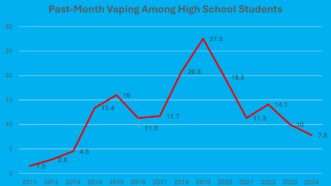
Marty Makary grossly exaggerates the prevalence of adolescent nicotine addiction, the concern underlying his agency's restrictions on e-cigarette flavors.

Did mainstream conservatives and libertarians lose a generation of young men to the reactionary right?

"That guy isn't being trafficked by anyone," says sociologist Emily Horowitz.

Democrats did the right thing, got attacked for it, then caved.

These bills would require exactly that—and a lot more.

Nope, but it does show how complicated the issue is.

Leader of the Opposition Kemi Badenoch said she doesn’t have to watch Adolescence to understand the show’s themes.

A large new study finds smartphone ownership positively correlated with multiple measures of well being in 11- to 13-year-old kids.

There's no strong evidence that cellphones cause cancer. There also isn't strong evidence that cellphones cause teen depression.

At least not if the goal is keeping minors from viewing porn.

Dietary supplement bans for minors may spread—but they’ll be costly, confusing, and ineffective.

Two new meta-analyses make a case for individualistic approaches to puberty blockers and hormone treatments, driven by patients, parents, and doctors rather than the state.
Celebrate your independence with a subscription to Reason magazine, your most trusted source of honest, insightful news and analysis.




