
Trump's 18-Month Deadline To Cut Electricity Prices in Half Has Arrived. Rates Are Up 18%.
Yet another broken campaign promise.

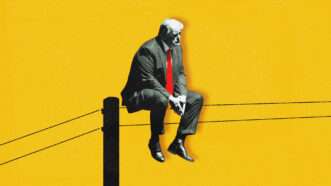
Yet another broken campaign promise.
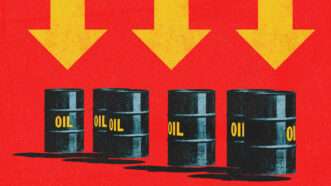
Presidents have repeatedly used the SPR to manipulate markets and shield consumers from the consequences of bad policies.
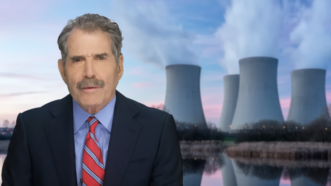
Despite decades of panic, a new reactor has been approved for the first time in 10 years.

Gov. Kathy Hochul’s one-year moratorium buys time for the state to create a convoluted regulatory regime.
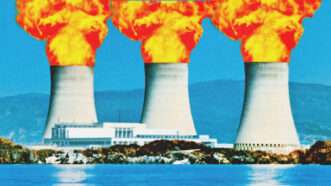
The agency pretends to loosen scientifically unjustified regulations but does nothing of the sort.

America's most business-friendly states are proof that permitting reform works. Still, they have a bad habit of handing out tax breaks to favored industries.

A new GAO report attributes the delays to onerous regulations and poor coordination among government agencies.

Plus: World Cup tourists embrace America, the Supreme Court expands gun rights, and Europe's resistance to air conditioning

The continent’s political class needs to get over its aversion to life-saving technology.
Aaron Brown discusses how research gets distorted, why sensational claims spread so quickly, and how to think more critically about the numbers behind the headlines.

The president is threatening gas companies and retailers over prices his own Iran policy helped create, while demanding that prices drop to a level the market hasn't seen since 2020.

The White House quietly repealed tariffs on Moroccan fertilizer this week.
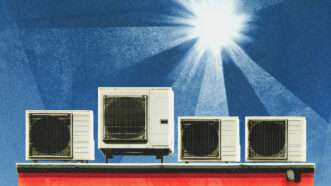
European countries are stubbornly refusing to adapt to warming weather, with deadly results.
The division will be renamed the "Energy and Natural Resources Division."

Gov. Gretchen Whitmer promised "generational" investments in her state, but as she leaves office, there's little to show for it.
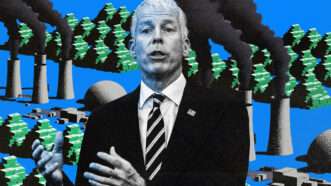
Privately funded nuclear reactors are achieving critical milestones on their own, but the Trump administration wants to prop up a single company.

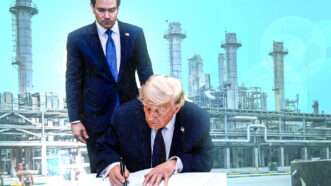
As part of peace negotiations, the U.S. Treasury issued an unprecedented total waiver from Iranian oil sanctions.

There’s a lot of confusion about sanctions relief and the U.S.-Iranian deal on the table. Hawks are exploiting it to sabotage the peace.

Thomas Piketty's plan is a comprehensive program for global managed decline dressed up in the language of climate justice and equality.

A market-friendly ruling party, abundant energy, and ample talent could jumpstart a new tech hub in the Himalayas.

Don't impose a moratorium. Produce more energy.

As data centers dominate public debate, two states reveal their approach. Texas has taken a stance in line with market needs, while North Carolina reacts to fear and bad press.
Constitutional climate litigation seems to know no bounds.
Yet another federal court opinion dismissing constitutional climate change claims.
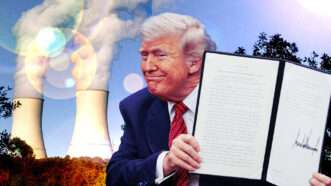
The Trump administration can build on its success in the nuclear industry by getting out of the way.

Unionized state workers say agencies need to study the additional emissions that would be caused by requiring employees to come into the office four days a week.

Though some of their products may have been redirected elsewhere, American farmers are likely eating most of the losses.


Researcher Roger Pielke Jr. was targeted for cautioning that global warming is real but "not the apocalypse."

A streamlined process for environmental review under the National Environmental Policy Act gives the government broader discretion to approve projects.

"There's always a place in not just the market, but a range of situations and mindsets, for things that are cheap, fast, and just barely in control," the Whole Earth Catalog creator tells Reason.

This week, Wes Moore blamed grid operators for high electricity costs, but the problem has worsened because of his own policies

Instead of holding the president accountable, lawmakers are trying novel ways to reduce energy prices caused by Trump’s war in Iran.
Prices are now rising faster than wages, just like during much of the Biden years. The war in Iran is largely to blame.

So far, electricity prices haven't risen. If and when they do, the solution is more power generation.

How heavy-handed state regulations led to one farmer suing the state for $3 million in damages
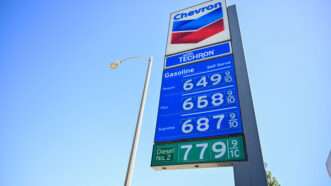
Plus: FISA reauthorization passes the House, a very capitalist museum, escalation in the redistricting wars, and more...

A response to the popular science communicator Hank Green

“The sale of E15 year-round would help the ethanol industry and no one else,” says one agricultural policy expert.

Forty years after the Chernobyl meltdown, too many people are still drawing the wrong conclusions.
A New York Times scoop reveals that Chief Justice Roberts was concerned that the EPA would (again) get away with imposing unlawful burdens on utilities.

America gets 90 percent of its fresh tomatoes from Mexico, and those imports were tariff-free until last year.
Instead of confronting the problems with the state's heavily regulated insurance market, lawmakers are looking for a scapegoat.
The kids climate cases continue to have standing problems in federal court.

Greenlandic hunters fear a U.S. takeover because Americans "think whales and seals are cute and shouldn’t be hunted."

The administration claims we're a "net oil exporter," but unfortunately that's not quite true.


New from Reason: a look into what Javier Milei has accomplished and what it will take to make the most of Argentina’s window for real change. Out now for subscribers.

