
Family of Murder Victims Wants to Stop the Feds From Resuming Executions
Daniel Lewis Lee would be the first death row inmate executed by the federal government in 16 years.

Daniel Lewis Lee would be the first death row inmate executed by the federal government in 16 years.

A state law allows counties to effectively steal homes over unpaid taxes and keep the excess revenue for their own budgets.
His desperate attempt to stop a grand jury from seeing his tax returns invokes kingly powers that would put the president above the law.


Even when a technology is valid in theory, haphazard methods can lead to wrongful convictions.
Oklahoma frees 527 low-level offenders—and saves nearly $12 million.
The ruling is a continuation of the same case in which the federal Supreme Court ruled that the Excessive Fines Clause of the Eighth Amendment is "incorporated" against state governments and applies to asset forfeitures.

The cop claimed to detect "a strong smell of fresh marijuana coming from within the house," but police did not find any.


The ruling has considerable backing from precedent. But it is nonetheless based on a deeply flawed doctrine.

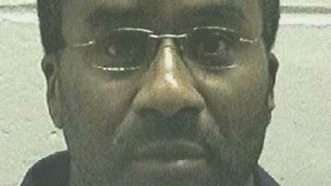
Ray Cromartie was scheduled to die on Wednesday. His supporters hope a question of jurisdiction will lead to DNA testing.

The 10th Circuit says Adlynn and Robert Harte should be allowed to pursue three federal claims against comically inept Kansas sheriff's deputies.
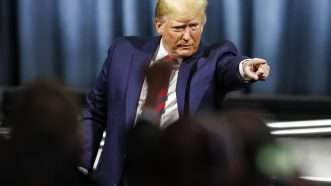
Even if they unseat a president opposed by many Americans, the FBI and the intelligence community are not the heroes you're looking for.

The 21-year-old faces criminal punishment for text messages to her suicidal boyfriend.

Reformers worry that district attorneys will subvert new rules, but prosecutors worry about those who refuse to show up for court.

The NYPD's increased presence on the New York subway has many wondering about the resources dedicated to stop petty crimes.
Prosecutors charging Boston College student's girlfriend with involuntary manslaughter
Episode 284 of the Cyberlaw Podcast
We surveyed twelve of the leading constitutional law casebooks
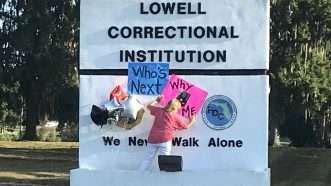
"We are a prison system that's overstuffed and under-guarded, and that is a lethal combination of policies," says state Sen. Jeff Brandes.

"Taxation by citation" harms the harmless and destroys trust in civic institutions.
Open fields, tight handcuffs, and mass shootings.

In fact, the legal doctrine lets cops to get away with outrageous conduct.
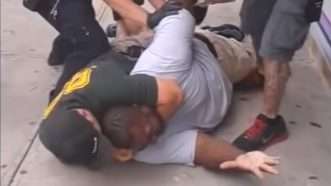
Pantaleo's lawyer says it’s “arbitrary and capricious” to fire a cop for choking a guy over black market cigarettes.
Almost a century ago, just as the modern First Amendment was born, a little-known gay-rights organization in Chicago emerged from its closet blinking into the daylight

Two days later, the cops figured out the story was make believe.

Plea deals aren’t about mercy these days. They’re about intimidating defendants into giving up the right to a trial.
Can a State Investigate Alleged Criminal Wrongdoing Involving a Sitting President?
Penn's IP journal makes its launch

Law enforcement and prosecutors have seized millions from people they’ve arrested. That might be coming to an end.


The Practices of our First President Suggest That President Trump is not violating the Foreign and Domestic Emoluments Clauses
Episode 283 of the Cyberlaw Podcast

Sarasota deputies violated best practices and ethical standards for sting operations.
Celebrate your independence with a subscription to Reason magazine, your most trusted source of honest, insightful news and analysis.




